Regular cleaning extends the life of a Black & Decker coffee maker and keeps coffee tasting consistent. This guide covers simple descaling routines, how to use descaler products, and maintenance steps to prevent buildup. By following practical steps, users can keep their machine running smoothly and enjoy better coffee at home.
Quick Answer
Descale every 1–3 months depending on usage and water hardness. Use a recommended descaler or descaling solution designed for Black & Decker units, run a full brew, then rinse thoroughly. Wipe remote surfaces and wipe the carafe to prevent stale odors.
What You’ll Need
- Descaler product or descaling solution for Black & Decker coffee maker
- Black & Decker coffee maker descaler tablets or universal descaler tablets
- Coffee maker cleaning kit with descaler and brush
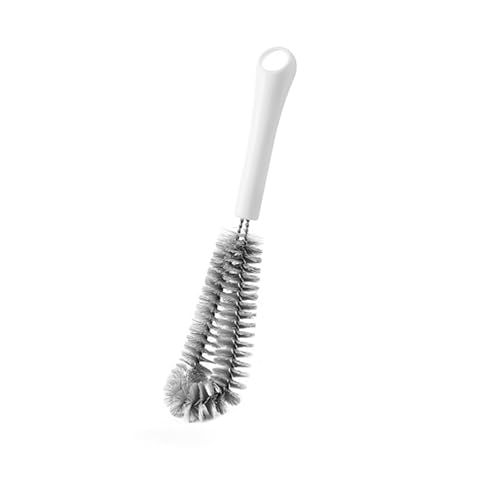
- Carafe cleaning brush for coffee maker
- Access to clean water and a sink for rinsing


Before You Start
Disconnect the coffee maker from power and ensure the carafe is empty. Remove any used coffee grounds and wash removable parts with warm, soapy water. Check the water reservoir for mineral buildup and plan to descale in a well-ventilated area. Important: always follow the manufacturer’s instructions for your specific Black & Decker model. If the unit has a glass carafe, handle it gently to avoid cracks. Time estimate: 30–60 minutes including rinsing.
Step-By-Step: How To Clean A Black & Decker Coffee Maker
- Remove the filter basket and wash it with warm, soapy water; dry thoroughly.
- Fill the reservoir with the descaling solution or a mix of descaler tablets dissolved in water, following the product’s instructions for the correct concentration.
- Place the carafe on the warming plate and start a full brew cycle without coffee grounds to allow scale removal through the system.
- Pause the cycle as directed by the descaler instructions to give the solution time to work on mineral deposits.
- Run additional brewing cycles with plain water to rinse. Use fresh water for each rinse until the reservoir is empty.
- Wipe down the exterior surface and the warming plate with a damp cloth to remove any splashes or buildup.
- Use the carafe cleaning brush to scrub the carafe interior and remove any film or residue. Rinse well.
- Run a final rinse cycle with just clean water to ensure no descaler remnants remain in the brew path.
Troubleshooting
| Symptom | Likely Cause | Fix | Prevention |
|---|---|---|---|
| Coffee tastes metallic or off | Descaler residue or mineral buildup | Run extra rinse cycles with clean water | Descale on schedule; use filtered water |
| Weak coffee after cleaning | Over-dilution from excessive water during descaling | Use correct solution strength; adjust water level | Carefully follow product instructions |
| Faint odor in carafe | Residue in carafe or humid environment | Thorough carafe cleaning; air-dry thoroughly | Regular cleaning and drying |
| Brewing stops mid-cycle | Clog or mineral buildup in lines | Descale and rinse; inspect filters | Prevent with regular maintenance |
Common Mistakes To Avoid
- Using the wrong strength of descaler or ignoring manufacturer directions
- Rinsing inadequately and leaving descaler residue in the brew system
- Cleaning with abrasive pads on the carafe or body surfaces
- Skipping a final rinse, which can leave taste in the next pot
Tips For Best Results
- Establish a descaling schedule based on water hardness and usage to prevent heavy buildup.
- Use filtered or bottled water if your tap water is very mineral-rich for better taste and easier maintenance.
- Keep the filter basket and carafe clean; signs of buildup often start in these parts.
- Regularly inspect seals and gaskets for wear and replace as needed to prevent leaks.
Call A Professional
Consider professional service if the coffee maker shows persistent leaks, electronic malfunctions, or if scaling appears stubborn after multiple cleanings. Seek help if the unit fails to brew, displays error codes, or emits unusual noises that do not resolve after cleaning.
FAQ
How often should I descale a Black & Decker coffee maker?
Most households benefit from descaling every 1–3 months, depending on water hardness and usage.
Can I use generic descaling tablets with Black & Decker?
Yes, universal descaler tablets are typically compatible when directions are followed, though specific product recommendations help guarantee best results.
Is it safe to use a scrub brush on the carafe?
Yes, a soft carafe cleaning brush is recommended to avoid scratching the glass or coating.
Can I skip the descaling and just rinse?
Rinsing alone may not remove mineral deposits; descaling is essential for thorough cleaning and optimal flavor.
Buying Guide
When choosing cleaning and descaling tools for a Black & Decker coffee maker, consider these factors to achieve the best maintenance results:
- Size and model compatibility: Ensure descalers and cleaning kits are compatible with your specific Black & Decker model.
- Descaler type: Descaling tablets, powders, or solution; tablets are convenient, while liquids can be easier to measure for some units.
- Effectiveness: Look for products that effectively remove mineral buildup without leaving residues that affect flavor.
- Ease of use: Kits with brushes and clear instructions simplify the maintenance process.
- Maintenance scope: Some kits include brushes and cleaning tools beyond descalers for comprehensive care of the carafe and filters.
- Noise and energy considerations: Regular cleaning should not impact energy use beyond normal operation; select products that support quick, efficient cycles.
- Placement and storage: Choose compact packaging if space is limited, and store descalers away from children and pets.
With the right tools, a Black & Decker coffee maker can deliver consistently flavorful coffee. Regular descaling, thorough rinsing, and mindful maintenance help extend the life of the brewer and protect the taste of every cup. Are you ready to start a simple, effective cleaning routine?