The bathtub is a focal point of daily hygiene, but buildup from soap scum, mineral deposits, and grime can make cleaning feel daunting. This guide provides a clear, practical approach to refreshing any tub surface using common bathroom tools and a routine that fits American homes. Readers will find a flexible plan suitable for acrylic, porcelain, and fiberglass tubs while leveraging effective brushes and mitts to protect surfaces.
With a steady routine, tub cleaning becomes faster and less harsh on finishes. The steps below emphasize safe scrubbing, appropriate products, and efficient methods to maintain a bright, sanitary bathing space.
Quick Answer
Fast method: Rinse the tub, apply a gentle bathroom cleaner, scrub with a non-scratch bathtub scrub brush or extendable handle bathtub scrub brush, rinse, and wipe dry. For stubborn grout lines, use a grout cleaning brush for tub. Finish with a microfiber bathroom cleaning mitt to buff away residue.
What You’ll Need
The right tools streamline the job and protect tub finishes. Use the following items to tackle routine cleaning and tougher spots.
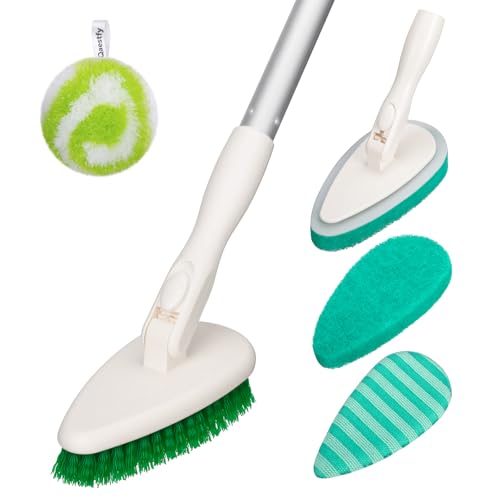
- Extendable handle bathtub scrub brush
- Non-scratch bathtub scrub brush
- Grout cleaning brush for tub
- Microfiber bathroom cleaning mitt
- Bathroom cleaning kit tub


Before You Start
Prepare a clean, well-ventilated space and select products labeled safe for your tub material. Place towels or a mat nearby to catch drips. Allow time for soaking if heavy soap scum is present, but avoid leaving cleaners on surfaces longer than recommended. Avoid abrasive pads on delicate surfaces to prevent scratches. Expect a typical cleaning session to take 15–30 minutes for routine maintenance and longer for heavy grime.
Step-By-Step: How To Clean A Bathtub
- Remove personal items from the tub and rinse the surface with warm water to loosen loose dirt.
- Apply a mild bathroom cleaner or a baking-soda–based paste to coated areas and grout lines, focusing on corners and drain surrounds.
- Choose an appropriate scrubber: an extendable handle bathtub scrub brush for hard-to-reach areas, or a non-scratch bathtub scrub brush for delicate finishes.
- Scrub the tub surfaces in gentle, circular motions, starting at the far end and moving toward the drain to prevent recontamination of cleaned areas.
- For stubborn soap scum, let the cleaner sit for 5–10 minutes before scrubbing again and paying special attention to the rim and faucet surrounds.
- Use the grout cleaning brush for tub to address visible grout lines, applying steady pressure and a back-and-forth motion to lift embedded dirt.
- Rinse thoroughly with warm water, ensuring all cleaner residues are removed from the tub, grout, and drain area.
- Dry the surface with a microfiber bathroom cleaning mitt or a clean towel to prevent water spots and mineral buildup.
- Inspect for any remaining spots; repeat cleaning on those areas if needed, then perform a final rinse and wipe down.
- Replace items and keep a light weekly cleaning routine to maintain shine and sanitize the tub area.
- Optional: use a tub-safe sealant or spray-on protectant on glossy surfaces to reduce future soap scum buildup.
- Store tools in a dry area after use to prevent mildew, and sanitize brushes periodically according to manufacturer directions.
Troubleshooting
| Symptom | Likely Cause | Fix | Prevention |
|---|---|---|---|
| Soap scum persists after cleaning | Residue left behind or stubborn mineral buildup | Reapply cleaner and let sit longer; use a grout brush for tough spots | Wipe surfaces dry after each use; use a daily spray if available |
| Streaks or water spots | Hard water minerals and incomplete rinsing | Rinse with warm water thoroughly; finish with drying cloth | Dry tub after each use; consider a light weekly rinse with vinegar solution |
| Scratches appear on tub finish | Use of abrasive tools or harsh cleaners | Switch to non-scratch brushes and gentle cleaners | Avoid steel wool or scouring pads |
| Grout discoloration | Mildew or soap residue in grout lines | Apply grout cleaner with a dedicated brush and disinfectant; allow to dry | Keep grout dry post-shower and reseal grout periodically |
Common Mistakes
- Using abrasive pads on fiberglass or thin acrylic surfaces
- Overlooking grout lines during routine cleanings
- Neglecting to rinse cleaners completely, leaving residues
- Not drying the tub after cleaning, promoting mildew
Tips For Best Results
- Schedule a quick weekly wipe-down to prevent heavy buildup.
- Use a separate tool for grout lines to minimize cross-contamination with tub surfaces.
- Choose cleaners labeled safe for your tub material (acrylic, porcelain, or fiberglass).
- Rinse thoroughly and dry after each cleaning session for a pristine finish.
- For hard water areas, consider a rinse with distilled water to reduce mineral deposits.
Call A Professional
Seek professional help if the tub shows deep structural damage, persistent staining that refuses routine cleaning, or if grout damage extends beyond routine maintenance. Also contact a pro if the tub or grout has been previously coated with an unsuitable sealant or if you notice cracking or leaking around fixtures.
FAQ
What is the best cleaner for a white bathtub?
Look for a gentle, tub-safe cleaner suitable for your material (porcelain, acrylic, or fiberglass) and avoid harsh solvents that can dull finishes.
Can I use bleach on a bathtub?
Bleach can be safe on certain surfaces in diluted forms, but check manufacturer guidelines and avoid mixing with ammonia-based cleaners.
How often should I clean my bathtub?
A light weekly wipe-down plus a deeper clean every 1–2 weeks helps prevent heavy soap scum buildup.
Is it necessary to dry the tub after cleaning?
Yes. Drying minimizes water spots and reduces mildew risk, especially in damp bathrooms.
What tools protect tub surfaces during cleaning?
Non-scratch brushes and microfiber mitts protect finishes while effectively removing grime.
How can I remove tough grout stains?
Use a dedicated grout brush with a grout-cleaning solution and allow time to penetrate stains before scrubbing.
Are extendable brushes better for hard-to-reach areas?
Yes, extendable handles reduce bending and help reach behind faucets and around corners safely.
What maintenance minimizes future buildup?
Routinely rinse and dry, use a light daily spray, and reseal grout when needed to keep grout joints cleaner longer.
Buying Guide
Choosing cleaning tools and supplies for the bathtub should consider surface type, ease of use, and maintenance goals. Key factors include size and reach, noise level during scrubbing, energy and water considerations, and the placement of tools for quick access.
Size and reach: An extendable handle bathtub scrub brush helps access high corners and behind faucets without strain. For smaller tubs, a compact non-scratch bathtub scrub brush may be sufficient.
Material compatibility: Ensure brushes are labeled safe for your tub material (acrylic, porcelain, enamel, fiberglass) to avoid scratches or dulling finish.
Cleaning power vs. gentleness: A mild cleaner paired with a non-scratch brush balances effectiveness with surface protection. For grout lines, a dedicated grout cleaning brush adds targeted cleaning power.
Tools and bundles: A bathroom cleaning kit tub typically bundles a few essentials—brushes, mitt, and cleaner—providing cohesive cleaning supplies and convenience.
Placement and storage: Store brushes in a dry area after use to prevent mildew. A caddy or wall-mounted organizer keeps tools within easy reach.
Maintenance needs: Consider how often you’ll need to replace brushes due to wear. Look for brushes with durable bristles and easy-to-clean materials.
Sound and odor: Some cleaning tools are quieter than others; review product descriptions if noise is a concern in shared spaces. Favor low-odor cleaners to maintain a pleasant bathroom environment.
Energy and water efficiency: While manual cleaning uses little energy, choosing efficient cleaners with minimal rinsing reduces water use and environmental impact.
Overall, select a set that aligns with tub material, cleaning frequency, and ease of use. A thoughtful combination—extendable brushes for reach, non-scratch brushes for surface safety, a grout brush for joints, and a microfiber mitt for finishing—delivers strong results with minimal effort.