Thrift store baskets can be charming additions to a home, but they often require a careful cleaning to remove dust, odors, and grime picked up from shelves or storage. This guide outlines practical, step-by-step methods to refresh fabric and basket materials using common household products and safe cleaning techniques.
The goals are to restore appearance, extend durability, and ensure baskets are ready for everyday use. By following the steps and using the right supplies, thrifted baskets can look near-new without damaging delicate fabrics or weave.
Quick Answer
Start with a gentle dusting, then test a small area with a fabric-safe cleaner. For fabric baskets, use a soft brush, microfiber cloths, and a fabric upholstery cleaner spray. If odors linger, apply baking soda and vacuum or brush it out after several hours. Finish with a light rinse or wipe and air-dry completely before reusing.
What You’ll Need
- Soft bristle scrub brush for fabric baskets
- Fabric upholstery cleaner spray for baskets
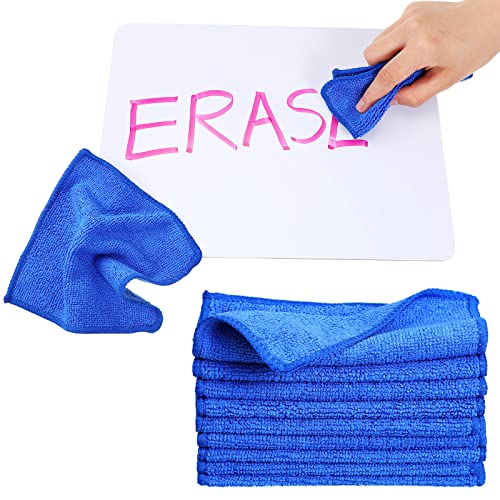
- Microfiber cleaning cloth set for basket cleaning
- All-purpose cleaner spray 24 oz for fabric baskets
- Odor eliminator baking soda for fabric baskets


Before You Start
Assess the basket’s material to choose appropriate cleaners. Fabric baskets often tolerate water and mild cleaners, while wicker, rattan, or seagrass may require gentler handling and thorough drying. Always test a hidden spot for colorfastness and finish. Schedule enough time for a complete dry-out, especially if the basket is lined or has padding. Avoid soaking delicate weaves, and never use harsh solvents on natural fibers. If the basket holds items that could be damaged by moisture, plan a quick, surface-only clean.
Step-By-Step: How To Clean Thrift Store Baskets
- Place the basket in a well-ventilated area and remove any contents. Shake out loose dust and debris.
- For fabric baskets, use a soft bristle brush to loosen embedded dirt from the fibers or weave. Brush with the grain and avoid excessive pressure on delicate seams.
- Lightly spray the fabric upholstery cleaner on a microfiber cloth, then gently wipe the surface. Avoid saturating the fabric; aim for a damp, not wet, wipe.
- Spot-clean any stains with the cleaner by dabbing rather than rubbing, then wipe with a clean cloth to lift the stain. Repeat as needed on stubborn spots.
- For odors, sprinkle odor eliminator baking soda inside the basket. Let it sit for a few hours to absorb smells, then vacuum or brush out the powder.
- If the basket has a lined interior, mist the lining lightly with the all-purpose cleaner spray and wipe with a microfiber cloth. Avoid soaking the lining if it’s fabric or cardboard-backed.
- Wipe the exterior surfaces with the all-purpose cleaner spray on a microfiber cloth, focusing on corners and crevices where dust collects.
- Rinse or wipe away any cleaner residue with a fresh damp cloth. Check for remaining soil and repeat cleaning if necessary.
- Allow the basket to air dry completely in a well-ventilated space. Avoid direct sunlight for delicate fabrics to prevent fading.
- Reassess after drying; if odors persist, repeat the baking soda treatment or consider a fabric-safe deodorizer designed for household textiles.
- Once fully dry, replace any liners or padding and return items to the basket. Consider a yearly refresh to maintain cleanliness.
Troubleshooting
| Symptom | Likely Cause | Fix | Prevention |
|---|---|---|---|
| Persistent white residue after cleaning | Leftover cleaner or baking soda | Gently brush or vacuum residue; wipe again with a damp cloth | Use less cleaner and ensure thorough drying |
| Color fading after cleaning | Excessive sun exposure or harsh cleaners | Move to shade during drying; switch to milder cleaners | Limit sun exposure and patch-test cleaners |
| Smell remains after baking soda | Strong odor deeply embedded | Repeat baking soda treatment or use a fabric-safe deodorizer | Clean promptly after use to minimize odor buildup |
| Weave damaged or fraying edges | Over-aggressive brushing or moisture | Limit brushing pressure; avoid saturating fabric | Handle gently and dry completely |
Common Mistakes
- Over-wetting fabric baskets, which can cause mold or mildew
- Using abrasive brushes on delicate weave or seams
- Rubbing stains aggressively, spreading dirt deeper
- Skipping patch tests on colored fabrics
- Ignoring drying time, leading to musty odors
Careful technique and appropriate products help preserve the basket’s appearance and integrity after thrift-store cleaning.
Tips For Best Results
- Always patch-test cleaners on a hidden area before full cleaning
- Work in a well-ventilated space to reduce chemical odors
- Use microfiber cloths for lint-free, gentle cleaning
- Combine baking soda with light brushing for odor control without moisture
- Store cleaned baskets in a dry, airy spot to prevent moisture buildup
Call A Professional
Consider professional help if the basket shows significant structural damage, believes its materials require specialized treatment, or if there is persistent mold growth that cannot be safely treated at home. If the basket is part of antique or heirloom collections, consult a restoration expert to avoid irreversible damage.
FAQ
Can I wash fabric baskets in a washing machine?
Most fabric baskets are not designed for machine washing. Hand-cleaning with a damp cloth and mild cleaners is usually safer to protect fibers and structure.
Is baking soda safe for all basket fabrics?
Baking soda is generally safe for many fabrics, but patch-test first on a hidden area to ensure no staining or discoloration.
How long should I air-dry a cleaned basket?
Allow 6–24 hours depending on fabric thickness and humidity, ensuring full dryness before reuse.
What if the basket is woven with natural fibers?
Use milder cleaners and avoid soaking; dry thoroughly to prevent warping or mildew.
Can I use essential oils to deodorize?
Some essential oils can stain or attract dust; use only as a mild, limited spray on an inconspicuous area, or prefer a dedicated fabric deodorizer.
Buying Guide
When purchasing supplies to clean thrift-store baskets, consider factors such as size compatibility, intended basket material, and the level of cleaning needed. This guide helps compare options and select practical tools.
- <bSize and coverage: Choose brushes and cloths that fit the basket dimensions and weave strength. A small brush reaches corners, while microfiber sets cover larger surfaces.
- <bNoise and ease of use: Quiet, non-abrasive tools reduce the risk of fraying fabrics and disruptively loud cleaning sessions.
- <bEnergy and efficiency: All-purpose sprays and fabric cleaners offer broad utility. Patch-test cleaners first to minimize repeat cleanings.
- <bControl and safety: Favor products with clear usage instructions. Wear gloves if you have sensitive skin or use strong cleaners.
- <bPlacement and storage: Clean baskets in a space with good airflow and no direct sun to prevent fading and mildew.
Buying decisions should balance effectiveness with fabric safety. If a basket blends natural fibers with delicate padding, opt for gentler cleaners and patch-tests. Do you need a versatile cleaner for multiple baskets, or specialized products for tough stains?