Balsamic vinegar stains can be stubborn, especially on fabric and carpet fibers. This guide walks through practical, step-by-step methods using common stain-removal tools and household supplies to restore cleanliness without damaging surfaces. While balsamic vinegar is flavorful, its dark color can leave lasting marks if not treated promptly and correctly.
Quick Answer
Act quickly by blotting excess liquid, pre-treating with an enzyme-based stain remover, then gently blotting and rinsing. For persistent marks, use a dedicated stain lifter or carpet spot cleaner tool, followed by a thorough rinse and air-dry. Avoid heat until the stain is fully gone to prevent setting.
What You’ll Need
- Enzyme carpet stain remover spray 32 oz for wine stains
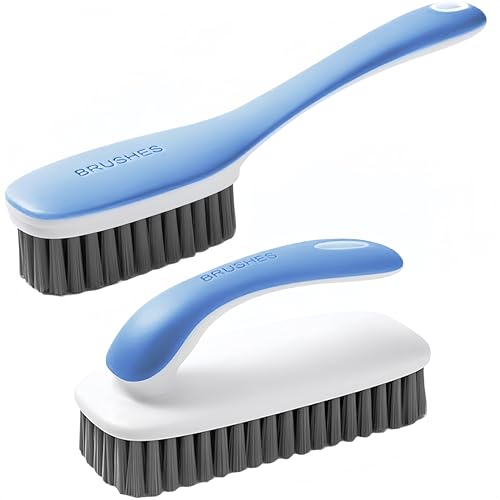
- Stain removing brush with angled head fabric upholstery
- Microfiber cleaning cloth for wine stain removal
- Carpet spot cleaner tool kit handheld extractor for spills
- Portable stain lifter pump spray wine stain remover

Before You Start
Test any cleaner on a hidden hidden area of the fabric or carpet to check colorfastness. Work from the outside of the stain toward the center to prevent spreading. Blot rather than rub to avoid fiber damage. Keep staining products away from children and pets, and follow label directions for safety and dilution. Plan for 15–30 minutes of active work plus drying time, depending on the area and material.
Step-By-Step: How To Clean Balsamic Vinegar Stains
- Blot the excess—Use a clean microfiber cloth to blot up as much balsamic liquid as possible without rubbing. Repeat with a fresh section of cloth until no wetness transfers.
- Rinse with cold water—Lightly dampen a cloth with cold water and dab the stained area to dilute the remaining vinegar. Avoid hot water, which can set the stain.
- Pre-treat with enzyme cleaner—Apply a light mist of enzyme carpet stain remover spray for wine stains directly to the stain. Let it sit for 5–10 minutes to break down organic pigments.
- Gently agitate—Using the angled stain-removing brush, gently work the cleaner into the fibers in a circular motion. Do not scrub aggressively, which can fray fabrics.
- Blot again—Dab with a clean microfiber cloth to lift loosened residue. Repeat until the cloth shows little to no color transfer.
- Use a dedicated stain lifter—If the stain persists, apply a portable stain lifter or wine stain remover, following the product directions. This specialized step helps break down deeper residues.
- Rinse and extract—For carpets, use a handheld extractor from the carpet spot cleaner tool kit to extract moisture and remaining cleaner. Keep the nozzle slightly above the surface to avoid over-wetting.
- Air-dry completely—Allow the area to dry fully. If possible, use a fan or open a window to speed drying and prevent mold growth.
- Check for trace and repeat if needed—Once dry, inspect the spot. If any staining remains, repeat steps 3–7 on a smaller area before applying more product.
- Final protection—For fabrics, consider a fabric-safe protective spray after the area is clean and dry to help resist future spills.
- Option for delicate fabrics—If the material is delicate or labeled as dry-clean only, skip wet cleaning and consult a professional cleaner for spot treatment.
Troubleshooting
| Symptom | Likely Cause | Fix | Prevention |
|---|---|---|---|
| Stain remains after first pass | Deep-set pigments | Reapply enzyme cleaner and use portable stain lifter with gentle agitation | Address spills immediately; avoid rubbing |
| Color transfer to cloth | Inadequate rinsing | Rinse thoroughly with cold water and blot dry | Test cleaners first; wash fabric promptly |
| Fiber fraying or damage | Aggressive scrubbing | Switch to light, circular motions and use soft brushes | Follow manufacturer guidelines |
| Residual odor | Insufficient drying | Increase airflow and extend drying time | Better ventilation in the cleaning area |
| Stain reappears after drying | Stain penetrated deeper layer | Repeat steps 3–7 with fresh products | Treat promptly and avoid heat until removal is complete |
Common Mistakes
- Rubbing the stain aggressively, which embeds color deeper into fibers
- Using hot water or heat sources before fully removing the stain
- Over-wetting fabric or carpet, leading to longer drying times and potential mold
- Selecting cleaners that are not compatible with the material’s fiber type
Tips For Best Results
- Always blot, never rub, to minimize fiber damage and pigment spread.
- Apply enzyme cleaners first; they are effective on organic stains like balsamic, coffee, and wine.
- Keep a clean, white cloth on hand to monitor stain transfer without introducing dye from towels.
- Work from the outside of the stain inward to prevent spreading rings.
- For large carpet spills, use a handheld extractor to remove moisture efficiently.
Call A Professional
Consult a professional cleaner if the stain covers a large area, the fabric is delicate or antique, or if previous attempts have not succeeded. Stop further attempts if you notice color bleeding, fabric distortion, or persistent odor after cleaning and drying.
FAQ
Can balsamic vinegar stains be removed from all fabrics?
Most fabrics respond to enzyme cleaners and careful blotting, but delicate materials may require professional treatment.
Should I use heat to speed up drying?
No. Heat can set the stain permanently. Allow full air-drying after removing the stain.
What if the stain is on carpet vs. upholstery?
Carpet stains often benefit from a handheld extractor, while upholstery may require a brush, cloth, and gentle cleaners designed for fabric.
Is it necessary to test cleaners first?
Yes. Testing on an inconspicuous area prevents color loss or fiber damage.
How long should I wait after applying enzyme cleaner?
Most enzymes need 5–10 minutes of contact time to be effective.
Can I use the same method on other sauces?
Generally yes, but adjust the product choice based on stain composition and fabric type.
What if the stain reappears after drying?
Re-treat using the same steps, focusing on deeper layers with a fresh application of cleaner.
Buying Guide
When choosing tools and products for removing balsamic vinegar stains, consider size, weight, and ease of use. For frequent stain removal, a compact portable stain lifter or handheld extractor provides quick results. If tackling upholstery and carpets, a versatile set that includes an angled-head brush and microfiber cloths can be especially effective. Look for enzyme-based cleaners suitable for organic stains, and ensure compatibility with the surfaces you clean. Noise level, energy efficiency, and simple controls matter for regular use in homes with kids or pets. Consider placement: a small cleaning kit is convenient for a car, while a larger kit suits a home with multiple rooms. Do you want a compact kit for quick spills or a full set for frequent deep cleaning?