Badly smeared windows can obscure views and reduce the amount of natural light inside a room. Proper technique and the right tools make a noticeable difference. This guide outlines a practical, step-by-step approach to restoring clarity to glass surfaces, from interior panes to exterior windows.
Whether you’re dealing with stubborn streaks, grease, or cloudy patches, following a consistent method helps achieve streak-free results. The process below emphasizes safe handling of cleaning tools and choosing appropriate products for various window types.
Quick Answer
Use a streak-free cleaner and microfiber cloth on a clean squeegee, work in horizontal or vertical passes, rinse with clean water, and dry with a microfiber towel to prevent new streaks. For exterior windows or heavy buildup, extendable poles and scrapers can save effort.
What You’ll Need
- Streak-free window cleaning kit with squeegee and microfiber cloth
- Professional extendable window cleaning pole and squeegee set
- Glass scraper with replacement blades and protective cap for smeared windows
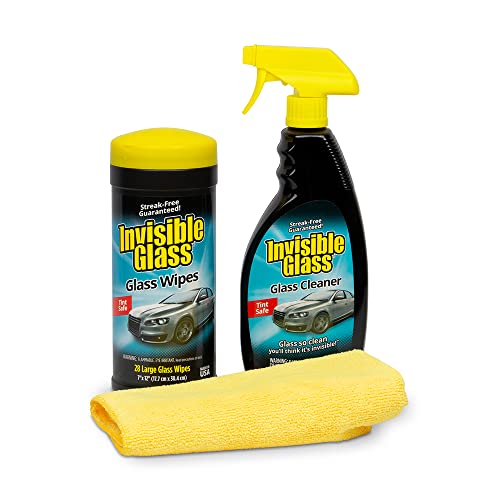
- Streak-free glass cleaner spray with microfiber towel bundle
- Extending window cleaning kit for exterior windows with scraper and squeegee


Before You Start
Prepare the work area by removing window decorations and placing a protective drop cloth if cleansing interior panes to avoid drips on floors. Protect yourself with gloves if using abrasive blades, and ensure ventilation when applying cleaners. Time estimates vary by window size and level of buildup, typically 15–30 minutes per window for standard residential panes. For high or multi-story exterior windows, allow additional time and consider a stabilizing ladder or pole system.
Safety note: never lean too far outside a window or stand on furniture to reach high panes. When using any scraper, maintain a shallow angle to avoid scratching the glass and always keep blades covered when not in use.
Step-By-Step: How To Clean Badly Smeared Windows
- Remove loose dust with a dry microfiber cloth to reduce initial smudges before applying cleaner.
- Dust the window ledges and frames to prevent debris from transferring to the glass during cleaning.
- Apply a streak-free glass cleaner spray evenly over the glass surface to dissolve grease and residue.
- Use a squeegee attached to a extendable pole if cleaning high or hard-to-reach panes; start at the top corner and pull in straight horizontal or vertical strokes.
- Dip the squeegee into a clean water basin, wipe the blade with a microfiber cloth between passes to minimize streaks.
- For heavy buildup or smeared patches, use a glass scraper with replacement blades at a shallow angle to lift stuck grime; wipe clean with a microfiber towel after each scrape.
- Rinse the surface with a clean water spray or wash, then go over with the squeegee again to remove remaining moisture.
- Finish with a dry microfiber cloth or towel, buffing in small circular motions to eliminate any remaining streaks.
- Inspect the glass from different angles and lighting to catch overlooked areas; repeat only where necessary to avoid reintroducing smears.
- Repeat the process for any adjacent panes, adjusting technique for exterior versus interior surfaces as needed.
- Store tools and replace any worn blades; clean and dry equipment to prevent rust or contamination before next use.
Troubleshooting
| Symptom | Likely Cause | Fix | Prevention |
|---|---|---|---|
| Streaks after cleaning | Residue from cleaner or dirty cloth | Switch to a clean microfiber towel; rinse the squeegee blade | Use fresh cloths for each pane |
| Cloudy or hazy look | Hard water mineral deposits | Use distilled water or a water-softening rinse; re-clean with a streak-free solution | Wipe promptly after washing to minimize mineral buildup |
| Scratches when scraping | Dull or damaged blade angle | Change to a fresh blade and adjust angle to shallow | Never apply heavy pressure on the scraper |
| Streaks on edges | Uneven pressure or missed spots | Re-swipe along edges with a clean cloth | Maintain consistent pressure during passes |
Common Mistakes
- Using detergent-heavy cleaners that leave residues
- Using a dirty cloth or squeegee, which re-deposits grime
- Over-wetting windows, causing liquid to run and dry with streaks
- Scraping too aggressively, risking glass damage
With careful technique and the right equipment, many common issues can be avoided from the outset.
Tips For Best Results
- Work in shade or on a cool surface to prevent cleaner from drying too quickly and leaving streaks.
- Use overlapping strokes and a consistent direction to promote uniform drying.
- Choose a microfiber towel with dense fibers for maximum lift and minimal lint.
- Keep replacement blades handy for hours of cleaning success if exterior panes are treated with heavy buildup.
- For tall windows, consider an extending kit to minimize ladder use and maximize stability.
Call A Professional
Consider contacting a professional if windows are multi-story, leaded, or contain fragile coatings that require specialized cleaning. Stop and seek help if you notice chipped glass, damaged seals, or persistent oily films that resist standard cleaning methods.
FAQ
What is the best way to remove stubborn streaks?
Apply a streak-free cleaner, use a fresh microfiber towel, and work with consistent strokes using a squeegee. Re-wipe any stubborn spots with a clean cloth.
Can I use any scraper on window glass?
Use a glass scraper with a protected cap and replaceable blades; avoid metal scrapers on delicate coatings to prevent scratches.
How often should I clean exterior windows?
Typically every 3–6 months, depending on climate, pollution, and nearby trees. Increase frequency in coastal or industrial areas.
Is distilled water necessary for best results?
Distilled water helps reduce mineral deposits, especially in hard water areas, improving streak-free outcomes.
What if my windows turn cloudy after cleaning?
Cloudiness often stems from mineral residues; re-wash with distilled water and a streak-free cleaner, then dry thoroughly.
Should I clean on rainy or humid days?
Avoid cleaning during rain or high humidity, as moisture can cause streaks and slow drying times.
Buying Guide
When selecting tools for cleaning badly smeared windows, consider factors like size, noise level, energy efficiency, controls, and placement. For interior and exterior panes, a streak-free kit with a quality squeegee and microfiber towels minimizes streaks. An extendable pole set benefits multi-story homes, reducing the need for ladders. A glass scraper with replacement blades is essential for ingrained grime, but use carefully to avoid scratching coatings. Compare kits that include both a squeegee and microfiber towels to ensure coordinated performance. For exterior cleaning, choose an extending kit with a scraper and sturdy grip to handle higher windows safely. Look for compact, lightweight designs for easy storage, and ensure blades are readily replaceable to maintain peak performance. Finally, consider buying a bundle that offers a glass cleaner spray with microfiber towels for a complete, all-in-one approach.