Keeping backyard concrete clean improves curb appeal and safety by removing dirt, algae, and oil stains. This practical guide covers a step-by-step approach using common tools and eco-friendly options to restore driveways, patios, and sidewalks without damaging the surface.
Quick Answer
For fast results, rent or own a gas pressure washer (around 3000 psi) with a surface cleaner, pre-treat heavy stains with a concrete cleaner degreaser, scrub with a stiff nylon brush, and rinse thoroughly. For delicate areas or eco-friendly cleaning, use a concrete cleaner degreaser concentrate and scrub with a nylon brush before a final rinse.
What You’ll Need
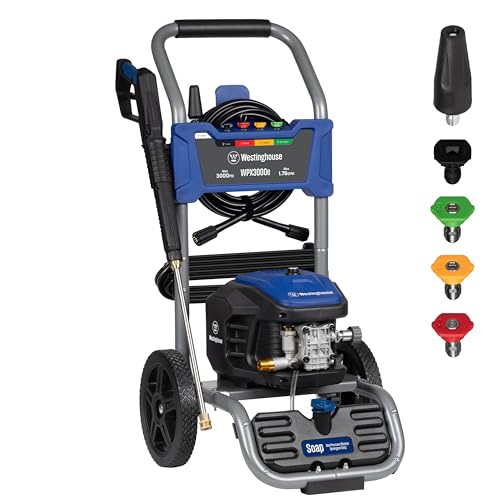
- Gas pressure washer 3000 psi for concrete driveway
- Pressure washer surface cleaner 12 inch for concrete
- Concrete cleaner degreaser concentrate exterior patios
- Stiff nylon scrub brush concrete patio
- Eco-friendly concrete cleaner for patios exterior


Before You Start
Assess the concrete surface for cracks or loose sections and repair as needed before cleaning. Protect nearby plants, furniture, and lighting with plastic sheets or drop cloths. Wear eye protection, gloves, and non-slip footwear. Test cleaner on a small, inconspicuous area to check for discoloration or surface damage. Plan for a dry-weather window; drying times can vary with weather and airflow.
Safety note: High-pressure washing can etch or gouge if used on delicate or old concrete. Avoid pointing the spray at electrical outlets or fragile fixtures. Never use bleach-based cleaners with metal surfaces, as fumes can be hazardous.
Step-By-Step: How To Clean Backyard Concrete
- Clear the area and remove loose debris, furniture, and planters from the surface to ensure an unobstructed cleaning path.
- Pre-wet the surface with a light spray to reduce suction and prevent the cleaner from penetrating too deeply into the concrete.
- Apply cleaner using a sprayer or mop. If using a concrete cleaner degreaser concentrate exterior patios, mix per label directions and apply evenly over stains and the surrounding area.
- Pre-treat stubborn stains with a small amount of degreaser on oil, grease, or tire marks. Allow a 5–10 minute dwell time to break down contaminants.
- Scrub with a stiff nylon brush in circular motions, focusing on heavily soiled zones. The brush helps lift embedded grime and extends the cleaner’s effectiveness.
- Rinse with a surface cleaner or a straight spray from the gas pressure washer at a safe, medium-to-high setting. Move in overlapping passes to avoid streaks.
- Work in sections to maintain consistent cleaning quality. Reapply cleaner or degreaser to new problem areas as needed.
- Assess and repeat as necessary. For persistent stains (oil, rust, or tire marks), repeat the cleaning cycle or use a targeted degreaser and additional brushing.
- Final rinse and dry thoroughly to ensure there’s no residue left that could attract dirt or create slippery surfaces.
Troubleshooting
| Symptom | Likely Cause | Fix | Prevention |
|---|---|---|---|
| Streaks or uneven cleaning | Inconsistent spray or missed spots | Overlap passes; slow, steady movements | Map the area before cleaning |
| Stubborn oil stains persist | Deep-seated grease | Reapply degreaser and dwell longer; scrub with nylon brush | Address spills quickly; use absorbent mats |
| Surface etching or discoloration | Overly aggressive pressure | Reduce psi and switch to a gentler setting | Test in a small area first |
| Excessive suds or foam | Wrong cleaner concentration | Rinse and dilute cleaner per label | Follow directions precisely |
| New cracks or loose edges after cleaning | Weak or damaged concrete | Cease high-pressure use on affected zones | Inspect and repair prior to cleaning |
Common Mistakes
- Using household cleaners that aren’t compatible with concrete or pressure washing equipment
- Pointing the sprayer directly at joints or edges for long periods
- Not testing a small area or failing to check for color bleed
- Over-wetting porous surfaces, which can lead to water infiltration and future staining
Tips For Best Results
- Work when outdoor temperatures are moderate to avoid rapid drying or extended dwell times
- Use a 12-inch surface cleaner for larger paved areas to reduce streaking and improve efficiency
- Combine eco-friendly concrete cleaner for patios exterior with pre-wetting for gentler cleaning
- For expansive driveways, clean in sweeping, uniform patterns to minimize missed spots
- Follow all manufacturer guidelines for cleaners and pressure washer use to maximize life and safety
Call A Professional
Consult a professional if the concrete shows deep cracks, significant spalling, or efflorescence that doesn’t come free with standard cleaning. Stop and seek help if the surface is old, degraded, or if you notice water seepage around foundations after cleaning. If you lack experience operating high-pressure equipment or if electrical outlets or wiring are near the cleaning zone, contact a pro for safe handling.
FAQ
What psi is best for cleaning backyard concrete?
Most residential jobs perform well with 2000–3000 psi, depending on surface age and stain type. Start with lower settings and increase gradually while testing a small area.
Can I use household cleaners on concrete surfaces?
Only if labeled for concrete and compatible with pressure washing. Avoid bleach-based products near metal or plants unless specifically approved.
How long does it take for concrete to dry after cleaning?
Drying times vary with weather, humidity, and airflow; plan for several hours to a full day in humid conditions.
Is an eco-friendly cleaner effective on tough stains?
Eco-friendly cleaners can be effective when combined with mechanical action, dwell time, and a stiff brush for embedded grime.
Should I seal my concrete after cleaning?
Sealing is often recommended after deep cleaning to protect against future staining. Wait until the surface is completely dry and follow the sealer’s instructions.
What maintenance helps keep concrete clean longer?
Regular sweeping, prompt blotting of spills, and periodic resealing help maintain cleanliness and longevity of the concrete surface.
Buying Guide
When choosing tools and cleaners for backyard concrete, consider size, noise, and compatibility with your space. A gas pressure washer 3000 psi for concrete driveway provides strong cleaning power for tough grime, but may be louder and heavier than electric models. A 12 inch pressure washer surface cleaner helps achieve even results on wide patios and driveways without excessive wand movement. For routine maintenance, eco-friendly concrete cleaner for patios exterior offers a safer option, especially near garden beds. Look for concentrates that mix easily and come with clear dilution instructions to avoid damage to the surface. Ensure the cleaners are appropriate for outdoor use and compatible with your surrounding materials. Placement considerations include access to water, drainage, and whether the area requires temporary tarps or protective coverings during cleaning. Balancing power, efficiency, and environmental impact will help select the best setup for backyard concrete maintenance.