ATV plastic surfaces endure sun, mud, and rubber debris, which can dull color and reduce visibility. The right cleaner, conditioner, and technique restore clarity and protect plastic components without scratching. This guide provides steps, tools, and tips for American riders seeking a showroom-like finish on plastics.
Quick Answer
Use an ATV plastic cleaner spray detailing kit to remove grime, then apply a conditioner to restore color and UV protection. For stubborn spots, pause and switch to a soft brush and microfiber cloth. Finish with an ATV headlight restoration kit if cloudiness appears on headlamps.
What You’ll Need
- ATV plastic cleaner spray detailing kit
- ATV plastic restoration kit with cleaner and conditioner
- Soft bristle brush for ATV plastic cleaning
- Microfiber cloth for ATV plastic detailing
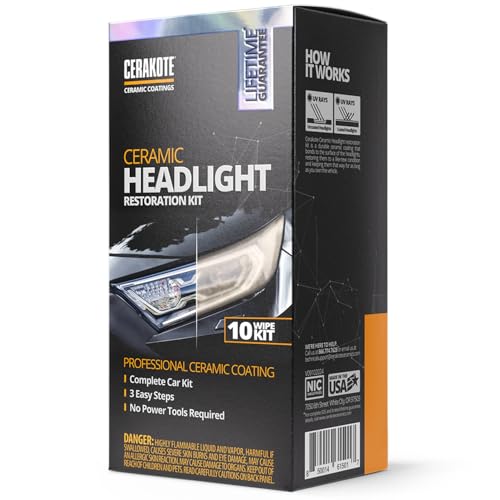
- ATV plastic headlight restoration kit


Before You Start
Prepare a shaded work area to prevent rapid drying. Rinse the ATV first to remove loose dirt and avoid scratching during cleaning. Test cleaners on a small, hidden area to ensure no discoloration. Wear gloves and eye protection if using chemical cleaners. Estimate about 30–60 minutes for a full clean and conditioning session. Critical cautions: avoid solutions that contain harsh solvents on soft plastics, and never use abrasive pads on clear headlights unless specifically designed for them.
Step-By-Step: How To Clean ATV Plastic Surfaces
- Rinse all plastic panels with a gentle stream to remove loose dirt and mud.
- Apply the ATV plastic cleaner spray detailing kit to loosen grime. Let it dwell for 1–2 minutes on tough spots.
- Gently scrub with the soft bristle brush for ATV plastic cleaning, using light, circular motions. Focus on seams and textured areas.
- Rinse thoroughly to remove cleaner and lifted dirt. Ensure no residue remains that could attract new grime.
- Dry the surface with a clean microfiber cloth for ATV plastic detailing to prevent water spots.
- Apply the ATV plastic restoration kit with cleaner and conditioner following the product directions. Work in small sections and buff to a uniform glaze.
- Pay special attention to faded or yellowed panels; the conditioner helps restore color and UV protection.
- If headlight lenses appear hazy, use the ATV plastic headlight restoration kit as a separate step to improve clarity.
Troubleshooting
| Symptom | Likely Cause | Fix | Prevention |
|---|---|---|---|
| Cloudy headlight after cleaning | Aggressive scrubbing or old residue | Use a gentler polish from the headlight kit; re-clean | Hold off on heavy rubbing; test in a corner first |
| Scratches visible after cleaning | Using abrasive tools or pads | Switch to a soft cloth and avoid rough brushes | Keep abrasives away from plastic surfaces |
| Streaks or residue | Cleaner residue or insufficient rinse | Rinse thoroughly, dry with microfiber | Rinse twice on curved panels |
| Color fading remains after conditioner | Panels severely oxidized | Follow with a dedicated color-restoration product if available | Regular conditioning to slow oxidation |
Common Mistakes
- Using household cleaners not designed for plastic can dull or haze surfaces.
- Scrubbing with stiff brushes or scouring pads.
- Skipping a proper rinse, leaving cleaner residue behind.
- Over-conditioning or applying thick coats that attract dirt quickly.
To avoid these mistakes, stick to products specifically formulated for ATV plastics and follow recommended dwell times and application directions.
Tips For Best Results
- Work in shade to control drying time and prevent water marks.
- Test any new product on a hidden area before full application.
- Use a dedicated microfiber cloth for drying and another for buffing to prevent cross-contamination.
- Lightly dust off panels before washing to reduce embedded grit.
- Condition after cleaning to restore UV protection and color richness.
Call A Professional
Seek professional help if plastic panels show deep gouges or extensive color fading that basic cleaners cannot restore. If headlights remain severely hazed after using the restoration kit, a certified technician can assess whether more advanced optics work is needed. If paint or decals are lifting, a body shop or ATV specialist should assess the surface integrity for a proper refinishing plan.
FAQ
Can I use any plastic cleaner on ATV panels?
Use cleaners specifically designed for ATV plastics or automotive exterior plastics to avoid dulling or hazing.
How often should I clean ATV plastic?
Light routine cleaning after rides helps maintain clarity; deep conditioning every 1–3 months depending on sun exposure and riding conditions.
Will conditioner restore faded color?
Conditioner helps restore some color and UV protection, but severe fading may require color-restoration products or panel replacement.
Is it safe to use a headlight restoration kit on all headlights?
Headlight kits are designed for polycarbonate lenses; avoid aggressive methods on other materials and follow kit instructions closely.
Should I wax after cleaning?
Waxing is optional; a dedicated plastic protectant often provides longer UV protection without buildup on textured surfaces.
Buying Guide
When choosing products to clean ATV plastic, consider size and coverage, compatibility with plastics, and ease of use. Key buying factors include how well a product removes grime while protecting plastic from UV damage, and whether a kit includes both cleaner and conditioner for streamlined maintenance. Noise-free or low-splash spray designs reduce mess during application, and a dedicated restoration kit can help revive faded panels and lenses. Think about your typical riding environment—dusty desert trails or muddy forest paths—and pick products that address the most challenging conditions. Placement matters, too: store cleaners in a cool, shaded area away from direct sunlight to maintain effectiveness. If possible, opt for bundles that include a soft brush and microfiber cloth for a complete cleaning routine, and verify compatibility with your ATV’s plastic types to avoid incompatibility with coatings or finishes. Would you benefit from a combined kit that also includes headlight restoration for a two-in-one solution? A well-chosen set keeps plastics clear, protected, and looking new longer.