Area rugs add warmth and style to living spaces, but they collect dirt, spills, and odors quickly. Proper home cleaning extends rug life and keeps fibers looking fresh. This guide covers practical, safe steps for maintaining area rugs using common household tools and select cleaning gear.
By following a structured routine—regular vacuuming, targeted spot treatment, deep cleaning when needed, and careful drying—homeowners can keep most area rugs in great condition without professional help.
Quick Answer
For routine maintenance, vacuum the rug regularly, treat spills immediately with a mild solution, and perform a periodic deep clean using a carpet steam cleaner or portable cleaner. Always test cleaners on an inconspicuous area first and allow full drying before placing the rug back on the floor.
What You’ll Need
- Upright vacuum cleaner for area rugs
- Carpet steam cleaner machine for home use
- Portable handheld carpet cleaner
- Area rug stain remover spray
- Rug cleaning brush with non-slip handle
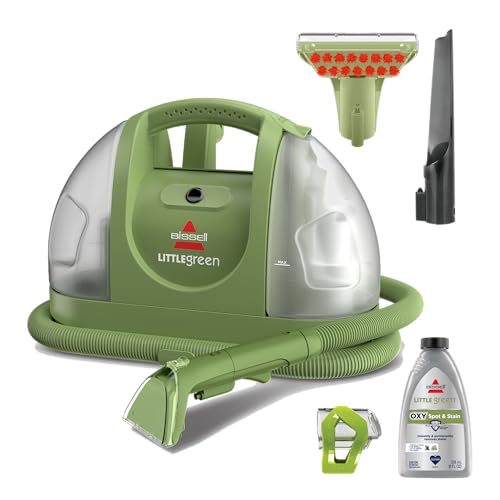

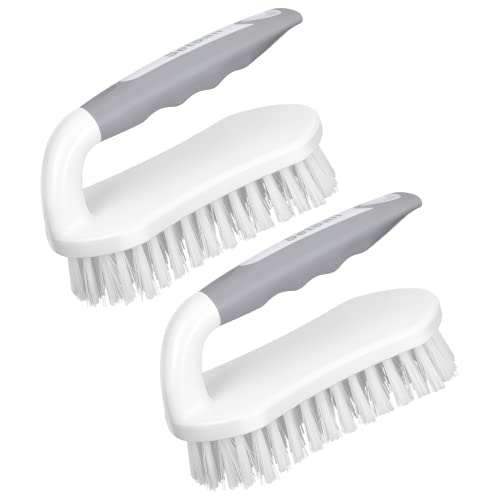
Before You Start
Before cleaning, move furniture off the rug and vacuum both sides if possible. Check rug labels for care instructions; some fibers, like wool or antique dyes, require specialized methods. Spot-test any cleaning solution on a hidden corner first to ensure colorfastness. Plan cleaning for a dry day or a well-ventilated space; damp rugs should dry completely to prevent mildew. Important: severe stains, pet urine, or mold growth may require professional service.
Step-By-Step: How To Clean Area Rugs At Home
- Place the rug on a clean, surface with easy drying access if cleaning indoors.
- Vacuum the rug thoroughly from edge to edge to remove surface dust and loose soil.
- Inspect for stains; pre-treat with area rug stain remover spray, applying sparingly and blotting with a clean cloth.
- Mix a mild cleaning solution per product instructions or use the carpet steam cleaner for deeper soil.
- For light cleaning, use the upright vacuum’s hose attachment or the rug cleaning brush to work the solution into the fibers in small sections.
- For deeper cleaning, operate the carpet steam cleaner machine for home use, following the manufacturer’s guidelines and overlapping strokes for complete coverage.
- Rinse or extract as directed by your machine to remove soap residue, which can attract more dirt.
- Blot excess moisture with clean towels and prop the rug on a sunny or well-ventilated area to dry completely, flipping halfway if possible to ensure both sides dry evenly.
- Once dry, vacuum again to lift fibers and restore pile height. Recheck for any remaining stains and treat if necessary.
- Reposition furniture and reintroduce the rug to the room after it is fully dry to prevent trapping moisture.
- Store or refresh regularly with routine maintenance to extend rug life.
Troubleshooting
| Symptom | Likely Cause | Fix | Prevention |
|---|---|---|---|
| Stains persist after cleaning | Deep-set stain or dye bleed | Apply stain remover again; consider enzyme-based cleaner | Address spills immediately, test cleaners first |
| Rug smells musty after cleaning | Under-dried rug | Increase airflow, use fans, or a dehumidifier | Ensure thorough drying before returning rug to floor |
| Color fading after cleaning | Harsh cleaner or water exposure | Rinse thoroughly, redo test on hidden area | Use milder solutions and cool water |
| Fibers snagging or matting | Rug fibers are delicate | Use gentle brush and avoid aggressive scrubbing | Select appropriate cleaner for fiber type |
Common Mistakes
- Using hot water or high heat on natural fibers, which can shrink or distort fibers
- Over-wetting the rug, leading to slow drying and mildew
- Skipping a colorfast test, risking dye bleed
- Neglecting to vacuum before deep cleaning, leaving heavy soils behind
Tips For Best Results
- Test all cleaning products on a small, inconspicuous area first
- Work in small sections to ensure even cleaning and drying
- Use a non-slip cleaning brush to protect the rug’s fibers while brushing
- For large or valuable rugs, consider professional cleaning every 12–18 months
Call A Professional
Seek professional help if the rug has:
- Significant dye bleeding, color loss, or color bleeding after cleaning
- Extreme water damage or mold growth
- Delicate materials like antique, hand-knotted, or silk rugs
- Large stains not responding to standard spot treatments
FAQ
How often should I vacuum area rugs?
Vacuum high-traffic rugs 2–3 times per week and low-traffic rugs weekly to keep soil from embedding in fibers.
Can I clean wool area rugs at home?
Yes, with mild solutions and careful testing; avoid excess moisture and harsh detergents on wool.
Is steam cleaning safe for all rugs?
Steam cleaning is effective for many synthetics but may not suit delicate fibers; always follow manufacturer guidance and test first.
How long does a rug take to dry after cleaning?
Drying times vary by rug size and ventilation, typically 4–24 hours; ensure complete dryness before use.
What if colors run after washing?
Stop cleaning, rinse with cool water, and test a colorfast area; consult professional cleaning if color transfer continues.
Buying Guide
Choosing cleaning gear for area rugs should consider rug type, size, and typical soiling. Key buying factors include size, noise level, energy efficiency, controls, and placement.
Size and power: A larger carpet steam cleaner or portable cleaner speeds up deep cleans for bigger rugs. Look for adjustable cleaning modes and strong suction for efficient extraction.
Noise level and ergonomics: Select machines with quieter operation and comfortable grips for extended use. A non-slip handle on the rug cleaning brush reduces fatigue during scrubbing.
Energy efficiency and maintenance: Consider energy-efficient models and easy-to-clean filters. Regular maintenance extends tool life and improves performance.
Controls and versatility: A versatile cleaner with multiple attachments enhances stain removal and edge cleaning. Ensure compatibility with rug Fabrics you own, and test on old spots first.
Placement and storage: Choose compact units for apartments or flexible cords for easy reach. Store cleaning solutions in a cool, dry place away from children and pets.