Dishwashers are designed to save time and keep kitchenware spotless, but they can harbor buildup if not cleaned regularly. This article guides American homeowners through a practical, step-by-step process to clean and sanitize a dishwasher, using common tools and products. It covers routine maintenance, troubleshooting, and best practices to extend appliance life and maintain hygienic performance.
Quick Answer
Quick method: Clear the spray arms and filters, apply a dishwasher cleaner, run a hot cycle, then wipe seals and hinges. For ongoing freshness, run a maintenance wash monthly and use a dedicated cleaning brush to reach hard-to-clean areas.
What You’ll Need
Prepare the following tools and products before starting. The list prioritizes items that fit the provided keywords and are commonly available in American households.
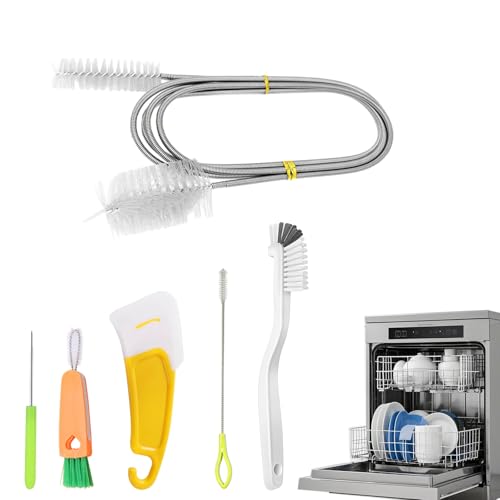
- Dishwasher cleaning brush long-reach gaskets
- Crevice brush for dishwasher interior
- Dishwasher filter cleaning brush set
- Dishwasher spray arm cleaning tool
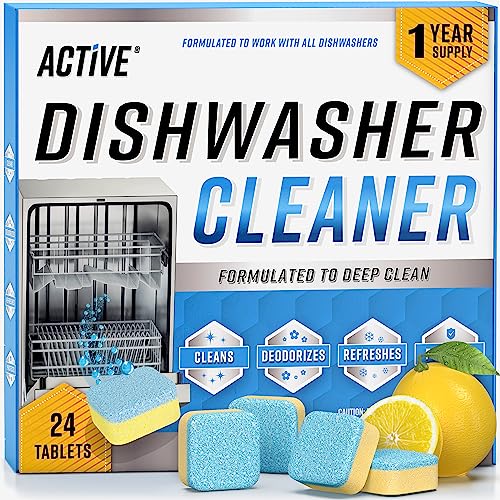
- Automatic dishwasher cleaner tablets

Before You Start
Before cleaning, ensure the dishwasher is empty and the door is fully open to avoid steam burns. Disconnect the unit from power if you plan aggressive scrubbing or gasket work. Schedule cleaning for a time when you won’t need the dishwasher immediately after, as some cleaners require a rinse cycle. Critical cautions: never mix bleach with ammonia-based cleaners, and avoid using abrasive tools that could scratch the interior. Check the manual for any model-specific instructions, especially around spray arms and filters.
Step-By-Step: How To Clean And Sanitize A Dishwasher
- Remove racks and pull out the lower spray arm to inspect for debris; use the crevice brush for tight corners and the spray arm cleaning tool to scrub nozzles.
- Rinse and brush the filter area with the dishwasher filter cleaning brush set to remove trapped food particles.
- Wipe the interior door seal and gasket with a damp cloth, using the long-reach gasket brush to remove grime from the seam.
- Place a dishwasher cleaner tablet in the detergent cup or run it through a standard hot cycle as directed by the tablet packaging.
- Run an empty hot wash to dissolve residues, then run a second cycle with the spray arms reattached to ensure complete cleaning.
- While the cycle runs, inspect the lower and upper racks for rust or damage and adjust if needed to prevent snagging during loading.
- After the cycle, wipe down the door interior and the exterior with a mild, non-abrasive cleaner to remove any remaining film or residue.
- Reassemble, reload dishes properly, and run a rinse-only cycle to ensure any cleaner residues are flushed out.
- Schedule regular maintenance—about every 30–60 days for most households—to keep buildup from returning.
- For persistent odors, repeat the cleaning steps or use a secondary cleaner tablet on a maintenance cycle and allow the interior to air-dry with the door open briefly after the cycle.
- Document any recurring issues (blocked nozzles, frequent clogs) so you can address them promptly with targeted tools or professional help if needed.
Troubleshooting
| Symptom | Likely Cause | Fix | Prevention |
|---|---|---|---|
| Unpleasant odor after cleaning | Residual food particles or mold in seals | Thoroughly clean door seals and run a maintenance wash | Regular cleaning schedule |
| Items come out wet or dirty | Clogged spray arms or filter | Clean spray arms and filter with the tools listed | Pre-rinse heavily soiled items |
| Water leaks or pooling | Worn gasket or loose door seal | Inspect and replace gasket if needed; ensure door seals fully seal | Check for cracks and replace as necessary |
| Cycle does not start | Electrical or control panel issue | Reset power and consult a professional if persists | Keep control panel clean and dry |
Common Mistakes
- Using regular dish soap inside the dishwasher—causes excessive suds and residue
- Neglecting the filter and spray arms—leads to poor cleaning performance
- Overloading or crowding items—prevents proper water flow
- Skipping maintenance washes—builds up grease and odors
Tips For Best Results
- Run an empty maintenance cycle with a dedicated dishwasher cleaner tablet every 1–2 months for most homes.
- Place heavily soiled items away from the spray arms to avoid blocking water flow.
- Use the right amount of dishwasher detergent as per manufacturer guidelines to prevent residue.
- Keep the door seals dry after cycles to reduce mold growth and extend gasket life.
Call A Professional
Consider a professional if you notice persistent leaks, persistent foul odors that do not respond to cleaning, or if the appliance fails to start after basic troubleshooting. Stop-and-go cycling, unusual noises, or recurring water damage are clear signals to seek expert assessment. Leave repairs that involve electrical components, motor, or valve replacement to a licensed technician.
FAQ
How often should I clean my dishwasher?
Most households benefit from a maintenance cleaning every 1–2 months, with a full thorough cleaning every 3–6 months depending on usage and water hardness.
Can I use vinegar or bleach to clean my dishwasher?
Vinegar can be used in small amounts, but avoid mixing with bleach or using direct high concentrations. Bleach can damage seals on some models; always follow the manufacturer’s guidance.
What tools help reach hard-to-clean areas?
Long-reach gasket brushes, crevice brushes, and spray arm cleaning tools are designed to access tight spots and remove buildup effectively.
My dishes still come out dirty after cleaning
Check spray arms for clogs, inspect the filter, and verify water temperature is high enough for effective cleaning. A maintenance wash with proper cleaner often resolves this.
Is it necessary to remove racks during cleaning?
Removing racks can significantly improve access to interior areas and is recommended for deep cleanings or when inspecting spray arms and seals.
Buying Guide
Choosing the right dishwasher cleaning and maintenance setup involves considering size, noise, energy use, controls, and placement.
- <bSize and capacity: Match the dishwasher size to your kitchen and family size. Compact models fit smaller spaces, while standard and large models handle bigger loads.
- <bNoise level: For open-plan homes, consider quieter models with decibel ratings around 40–50 dB for a pleasant background sound.
- <bEnergy efficiency: Look for Energy Star certifications and efficient wash cycles to minimize utility use without compromising cleanliness.
- <bControls and cycles: Favor intuitive controls and a robust set of cycles, including heavy, normal, and eco modes, plus a dedicated maintenance wash.
- <bPlacement and installation: Ensure proper under-counter clearance, venting, and access to water supply. Validate whether a portable or built-in model best suits the kitchen layout.
When comparing options, consider how often you’ll perform maintenance, the availability of replacement parts for filters and spray arms, and whether your preferred cleaning tools match your dishwasher model. With the right routine and tools, maintaining a clean and sanitary dishwasher is straightforward and effective.