A clean dishwasher runs more efficiently and helps keep the kitchen smelling fresh. This guide outlines practical steps to scrub away grime, remove mineral buildup, and neutralize odors. Users in the United States can follow these proven methods with common household supplies and the specific tools listed below.
Regular maintenance prevents food particles from clinging to spray arms and seals, and it supports sanitary, streak-free results. The process below is designed to be straightforward for most homes and should fit into a routine weekly or bi-weekly cleaning schedule.
Quick Answer
Run an empty hot cycle with a dishwasher cleaner spray bottle and a descaler powder kit, then manually scrub gaskets and spray arms with the long-handled cleaning brush and gasket cleaning brush. Finish with deodorizing tablets placed in the utensil rack or a small cup on the top rack.
What You’ll Need
- Dishwasher cleaning brush with long handle
- Gasket cleaning brush for dishwasher door
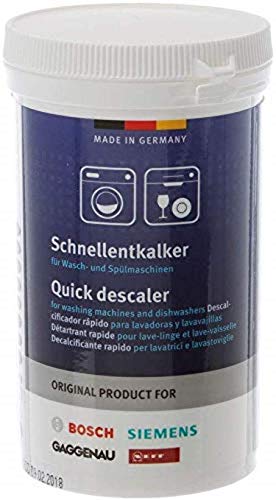
- Dishwasher descaler powder kit
- Dishwasher cleaner spray bottle
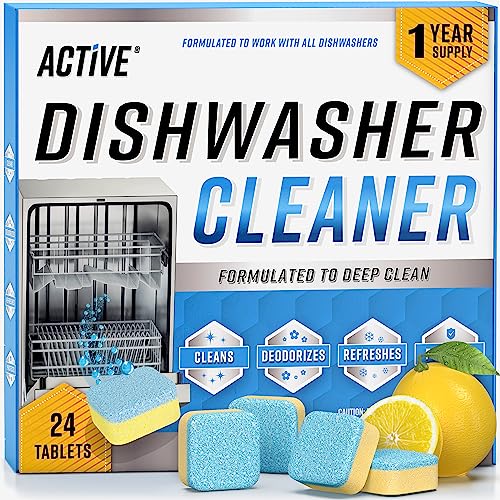
- Dishwasher deodorizing tablets

Before You Start
Ensure the dishwasher is cold before handling seals and spray arms. Remove any racks if needed to access hard-to-reach areas. Run a quick empty cycle to loosen debris before cleaning, then follow with manual scrubbing. Safety: avoid using harsh chemicals that could damage seals or PVC tubing; test any new cleaner in a small area first. This section covers typical steps and should take about 60–90 minutes for a thorough deep-clean.
Critical cautions: unplug the unit if you are working behind access panels, and never mix cleaners not recommended by the manufacturer. Keep cleaners away from children and pets during the process.
Step-By-Step: How To Clean And Deodorize A Dishwasher
- Remove all racks and large debris from the bottom of the dishwasher to prevent clogs during cleaning.
- Pour a small amount of warm water into the dishwasher and spray the interior with the dishwasher cleaner spray bottle, focusing on corners and the door seal.
- Run an empty hot cycle to loosen grime; this preps the interior for a deeper clean without chemical residue from dishes.
- Using the dishwasher descaler powder kit, distribute the descaler according to the kit instructions and run another hot cycle to dissolve mineral buildup.
- Inspect and clean the door gasket with a gasket cleaning brush for dishwasher door. Gently scrub the entire gasket seam to remove buildup and mold.
- Use the dishwasher cleaning brush with long handle to scrub spray arms, interior walls, and hard-to-reach corners where grease accumulates. Inspect spray holes for clogs and rinse well afterward.
- Wipe the interior door and seals with a damp cloth, ensuring no cleaner remains on the door edges that could transfer to dishes later.
- Replace racks and run one final empty cycle with hot water to rinse any residual cleaner.
- Place a dishwasher deodorizing tablet in the utensil rack or a small dish on the top rack and run a short cycle. This helps neutralize odors from food particles and standing water.
- Allow the unit to cool, then wipe the interior lightly and recheck for any leftover odor. If needed, repeat quarterly for best results.
- Optional maintenance: set a monthly routine to spray a small amount of cleaner bottle solution into the tub and run a quick cycle to maintain freshness between deep cleans.
Troubleshooting
| Symptom | Likely Cause | Fix | Prevention |
|---|---|---|---|
| Odor remains after cleaning | Residual food particles in spray arms | Re-clean spray arms and seals; run an extra hot cycle with a deodorizing tablet | Clean after each use; run monthly maintenance |
| Water not draining properly | Clogged filters or hose | Clear screens and inspect drainage hose; remove debris | Rinse filter weekly; avoid putting fibrous scraps down the drain |
| Uneven cleaning or cold spots | Spray arms blocked or worn | Inspect and replace clogged arms; clean holes with a brush | Run full loads; avoid overloading |
| Soap residue on dishes | Too much detergent or hard water residue | Use correct detergent amount; consider a descaler if mineral buildup is high | Clean seals and interior regularly; test water hardness |
Common Mistakes
- Using the same brush for both gasket and interior cleaning can spread grime; dedicate tools or sanitize between uses.
- Skipping the pre-cleaning step leads to missed buildup in spray arms and seals.
- Overloading the dishwasher with dirty dishes during cleaning sessions reduces effectiveness.
- Using harsh cleaners not labeled for dishwasher seals may cause damage over time.
Tips For Best Results
- Run an empty cycle with hot water monthly to maintain freshness and reduce mineral buildup.
- Coordinate deodorizing tablets with post-clean cycles for a long-lasting fresh scent.
- Inspect door gaskets and replace worn seals to prevent leaks and improve cleaning efficiency.
- Keep spray arms clear of debris by checking spray holes at least every few months.
- Maintain a regular cleaning schedule based on usage frequency and water hardness in your area.
Call A Professional
Stop and seek professional help if the dishwasher shows persistent odors despite cleaning, water leaks near the base, or ongoing drainage problems that prevent cycles from completing. If you notice corrosion on the door seal, electrical concerns, or unusual noises during operation, contact a certified appliance technician.
FAQ
How often should I clean my dishwasher?
Most households benefit from a deep clean every 1–3 months, with monthly light maintenance to prevent buildup.
Can I use vinegar to clean my dishwasher?
Vinegar can help deodorize, but it is not a substitute for a proper cleaner. Avoid mixing vinegar with bleach or other cleaners.
Why do my dishes come out smelling after a wash?
Odors usually arise from trapped food particles or mold in gaskets and spray arms; thorough cleaning and deodorizing tablets help.
Is it safe to use descaler powder regularly?
Yes, when used according to the product instructions and appropriate for your dishwasher model; avoid overuse.
Which is better for deodorizing: tablets or liquid sprays?
Deodorizing tablets provide sustained fragrance during cycles, while sprays offer spot cleaning; many users keep both on hand for flexibility.
Should I remove the rinse aid dispenser during cleaning?
No, leave it in place. Clean the dispenser and refill as needed after the cycle.
Buying Guide
When choosing products to support cleaning and deodorizing a dishwasher, consider several factors that affect performance and value.
- Size and compatibility: Ensure brushes fit interior dimensions of your dishwasher door and tub. Look for long-handled brushes for deep corners.
- Effectiveness: Descaler powders and deodorizing tablets should be labeled safe for your dishwasher model and designed to tackle mineral buildup and odors.
- Ease of use: Spray bottles and kits that include clear instructions save time and reduce guesswork during cleaning.
- Maintenance interval: Choose products that support routine maintenance as well as deep cleaning, to keep the dishwasher running efficiently.
- Safety: Use products that are non-caustic for seals and interior plastics, and follow manufacturer guidelines to avoid damage.
- Placement considerations: Most products work well with standard under-sink storage; consider a kit with all essential tools in one package for convenience.
- Cost vs. value: Compare per-session cost and frequency of use; investing in durable brushes and a reliable descaler can reduce long-term maintenance costs.
Are you ready to keep your dishwasher fresh and efficient? A simple routine using the right tools can extend appliance life and improve cleaning performance, saving time and energy in everyday kitchen tasks.