Outdoor flat top grills deliver quick, even cooking, but they require regular, thorough cleaning to maintain performance and flavor. This article walks through a practical, safe process for removing grease, burnt-on residue, and food particles from an outdoor griddle. Readers will learn step-by-step methods, select the right tools, and avoid common mistakes that can damage the surface.
The following guide emphasizes a practical routine you can reuse after every cookout or weekend grilling session. It covers prep, degreasing, scrubbing, and polishing, while highlighting best practices for different griddle materials. With the right tools and a structured approach, your outdoor flat top will stay pristine and ready for the next meal.
Quick Answer
Key steps in 5–10 minutes: heat the surface to burn off residue, apply a degreaser, scrub with a dedicated brush or scraper, wipe with wipes or pads, and apply a light oil coating to prevent rust. For deeper cleaning, repeat with more thorough scrubbing and use specialized cleaning tools.
What You’ll Need
Gather tools and supplies designed for outdoor flat top cleaning. Using the right kit prevents damage and makes the job faster and safer.
- Outdoor flat top grill cleaner kit scraper brush
- Cast iron griddle cleaning brush stainless steel scraper
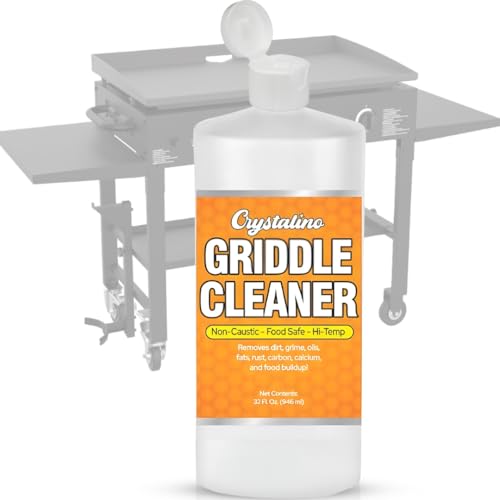
- Griddle degreaser spray for outdoor flat top grill
- Stainless steel griddle scraper and cleaning pad
- Non-toxic flat top grill cleaner wipes


Before You Start
Prepare the area by removing all food debris and unplugging or cooling the grill to a safe handling temperature. Use heat-resistant gloves and eye protection if needed. Clear nearby surfaces to avoid cross-contamination and ensure good ventilation since degreasing sprays can produce fumes. Time estimates vary; plan for 15–30 minutes for a routine clean, longer for heavy buildup. Never use acidic cleaners on seasoned or nonstick coatings and avoid metal scrapers on delicate surfaces to prevent scratches.
Step-By-Step: How To Clean An Outdoor Griddle
- Heat the griddle to a safe warm temperature to loosen grease and burnt-on residue. Exposure of surface to heat makes subsequent scrubbing easier.
- Turn off the heat and use a griddle degreaser spray for outdoor flat top grill to coat the surface. Let it sit for 1–2 minutes to break down grease.
- Scrape with a outdoor flat top grill cleaner kit scraper brush or a stainless steel griddle scraper to lift grime. Use steady, even strokes from edge to center.
- Wipe loose debris with non-toxic flat top grill cleaner wipes or a damp cloth. Rinse the cloth frequently to avoid re-depositing grease.
- For stubborn spots, reapply degreaser and scrub with a cast iron griddle cleaning brush stainless steel scraper to dislodge crusty buildup.
- Rinse the surface with a damp cloth or water spray, ensuring all cleaner residue is removed. Avoid pooling water on the cooking surface.
- Dry the surface thoroughly and apply a light edible oil or protective coating to prevent rust and keep seasoning intact, if applicable.
- Wrap up by cleaning any surrounding trays or grease traps and wiping down exterior surfaces for a complete maintenance cycle.
- Inspect burners and vent areas for grease accumulation and clean as needed to maintain efficient performance.
- Schedule regular maintenance after heavy use or at the end of the cooking season to extend the life of the griddle.
- Store cleaning tools in a dry place and replace worn brushes or pads as they lose effectiveness.
Troubleshooting
| Symptom | Likely Cause | Fix | Prevention |
|---|---|---|---|
| Sticky residue remains after cleaning | Insufficient degreasing or buildup from high-fat foods | Reapply degreaser and scrub with a stronger brush | Clean after each cook; wipe with wet cloth while warm |
| Rust spots after cleaning | Moisture exposure or lack of seasoning | Dry thoroughly and apply light oil; reseason if needed | Keep surface dry; wipe spills promptly |
| Scratches on surface | Harsh metal scrapers on delicate surface | Switch to plastic or softer pads; avoid metal scraping | Use proper tools designed for flat tops |
| Grease in burners or vents | Crevices not cleaned, buildup migrated | Disassemble safe parts and clean crevices | Regular maintenance after each use |
Common Mistakes
- Using caustic or acidic cleaners on seasoned surfaces
- Letting residue harden before cleaning
- Over-wetting or leaving water pooled on the surface
- Scrubbing with abrasive metal tools on nonstick coatings
To avoid these issues, follow manufacturer recommendations for cleaners and use the correct tool for the surface type. A consistent routine reduces the chance of damage and keeps flavors clean.
Tips For Best Results
- Clean while the griddle is warm but not hot; warm surfaces release grease more easily.
- Choose non-toxic wipes for quick touch-ups after cooking, especially for frequent cooks.
- Store cleaning tools in a dry, easily accessible place so you’re ready for the next cookout.
- A light oil coating after cleaning helps preserve seasoning and prevent rust on cast iron surfaces.
- For stubborn buildup, consider a dedicated cleaning pad in combination with a scraper to minimize surface wear.
Call A Professional
Seek professional assistance if you notice persistent rust that cannot be stopped with oils, or if the griddle shows signs of structural damage, gas line issues, or significant gas burner problems. Do not attempt repairs beyond routine maintenance if the appliance is under warranty or if you are unsure about safety procedures.
FAQ
What is the best order for cleaning a griddle?
Start by heating, then apply degreaser, scrape, wipe, rinse, dry, and finally oil or season as needed.
Can I use household cleaners on a flat top grill?
Stick to degreasers and wipes designed for outdoor flat tops to avoid surface damage or fumes.
How often should I clean my outdoor griddle?
Clean after every use, with a deeper clean weekly or after heavy cooking sessions.
Is it necessary to season a cast iron griddle after cleaning?
Yes, especially if seasoning has worn away; apply a thin layer of oil and heat to re-season.
Are non-toxic wipes effective for stubborn grime?
They help for routine maintenance and quick touch-ups, but deeper buildup may require scrubbing with a brush and degreaser.
Can I use steel wool on a stainless steel griddle?
Avoid steel wool on stainless steel; use non-metallic scrub pads to prevent scratching.
Buying Guide
When selecting griddle cleaning gear and supplies for an outdoor setup, consider size, material compatibility, and ease of use. Look for products labeled safe for outdoor flat tops and cast iron surfaces. A bundled kit with a outdoor flat top grill cleaner kit scraper brush plus a griddle degreaser spray for outdoor flat top grill often covers most maintenance needs. Pay attention to compatibility with stainless steel and cast iron surfaces to ensure long-lasting results. Noise level is usually not a concern for cleaning tools, but select pads and brushes with comfortable handles for extended use. Choose non-toxic options if possible, especially for family cooking spaces. Finally, consider how the tools store and whether they fit your grill size and the surrounding workspace.
Buying Guide: Key Buying Factors
- Size and compatibility: Ensure tools fit your grill surface and spare storage space.
- Material compatibility: Use stainless steel scrapers and non-abrasive pads for delicate surfaces.
- Degreasing power: Look for effective degreasers designed for outdoor flat tops and food-grade safety.
- Ease of use: Ergonomic handles, quick-dry wipes, and disposable kits simplify routine maintenance.
- Safety and non-toxicity: Prefer non-toxic cleaners and wipes to protect household members and pets.
- Durability and replacement parts: Choose brushes and scrapers that resist wear and offer replacement heads.
- Placement and storage: Organize a dedicated cleaning zone near the grill for efficiency.