Every now and then a space spirals into chaos. When a room becomes overwhelmed with clutter, dirt, and general disarray, a practical plan can restore order without overwhelming you. This guide outlines actionable steps to reclaim a messy room using common cleaning tools and storage solutions.
Quick Answer
Start with a quick survey to identify zones: surfaces, floors, and storage. Tackle clutter first, then clean surfaces, and finally organize with labeled storage. Use a cordless handheld vacuum for quick pickups, a microfiber cloth set for dust removal, a multi-surface spray for methods, and an extension duster for hard-to-reach spots.
What You’ll Need
Having the right toolkit makes fast work of a chaotic room. Gather the items below to cover dusting, vacuuming, mopping, and organizing.
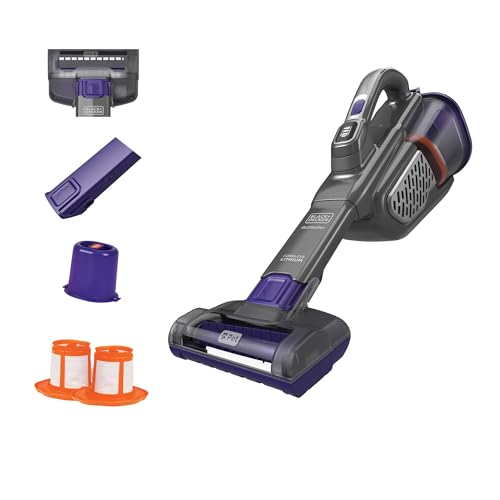
- Cordless handheld vacuum cleaner 20V
- Microfiber cleaning cloths 24 pack
- Extension duster with microfiber head long handle
- Multi-surface cleaning spray 32 oz spray bottle set
- Stackable clear plastic storage bins with lids 18 gallon


Before You Start
Preparation sets the tone for success. Clear a space for sorting, protect the floor with an old sheet or disposable drop cloth, and open windows for ventilation if you are using cleaning sprays. Set a timer to create boundaries and avoid burnout. Safety first: keep cleaning sprays away from children and pets, and never mix cleaners that aren’t compatible.
Time estimate: 45–120 minutes depending on room size and mess level. If you’re organizing a large room or dealing with hazardous items, allocate extra time or break the process into two sessions.
Step-By-Step: How To Clean An Out Of Control Room
- Define zones and clear surfaces. Remove obvious trash, books, clothing, and debris. Place items that belong elsewhere in a box or bag to relocate later.
- Sort clutter into three piles: keep, donate, and discard. Use the storage bins to group smaller items by category and minimize visual clutter once organized.
- Dust high and low. Start at the top with ceiling corners, light fixtures, and shelves using the extension duster with a microfiber head, then wipe surfaces with the microfiber cleaning cloths.
- Vacuum thoroughly. Use the cordless handheld vacuum cleaner 20V to pick up dust, pet hair, and debris from floors, corners, and upholstery. Move in sections to avoid missing areas.
- Wipe down surfaces. Apply multi-surface cleaning spray 32 oz to a microfiber cloth and wipe desks, tables, window sills, and any other touched surfaces. Let air-dry to prevent streaks on glass or mirrors.
- Address hard floors and carpeting. If a mop is available, use a damp microfiber cloth on hard floors to capture fine dust; avoid saturating carpets. Spot-clean stains with a gentle spray and blot with a clean cloth.
- Organize with storage. Place sorted items into 18-gallon clear plastic storage bins with lids for visibility and easy access. Label each bin to speed future cleanup sessions.
- Arrange the room layout. Return keeps to their zones, place frequently used items within reach, and create a clear pathway. Consider a minimalist approach to prevent future clutter buildup.
- Perform a final quick scan. Check forgotten corners, under furniture, and behind doors. Do a last pass with a dry microfiber cloth to remove any remaining dust.
- Establish a maintenance routine. Schedule a 10-minute daily tidy and a 20-minute weekly refresh to keep the room from returning to chaos.
- Review and adjust. If certain zones repeatedly become cluttered, rework storage or furniture placement to improve flow and accessibility.
Troubleshooting
| Symptom | Likely Cause | Fix | Prevention |
|---|---|---|---|
| Dust reappears quickly | Infrequent cleaning; clutter blocks airflow | Increase cleaning frequency; declutter and reorganize | Maintain a simple, labeled storage system |
| Streaks on glass or mirrors | Residue from cleaners | Wipe with a dry microfiber cloth after use | Use minimal cleaner and wipe in a consistent direction |
| Vacuum loses suction | Clogged filter or full dust cup | Empty cup, check filter, and clean | Vacuum regularly; don’t let debris accumulate |
| Storage bins won’t close | Overfilled or mispacked | Repack with fewer items; use dividers | Shop with capacity in mind; label and sort |
Common Mistakes
- Trying to clean without a plan or clear zones
- Overcomplicating storage without labeling or accessibility
- Relying on a single tool for all tasks instead of using the right tool for each job
- Skipping safety steps or neglecting ventilation during cleaning
Tip: Break the process into shorter sessions if the room feels overwhelming. Consistency beats intensity.
Tips For Best Results
- Dust before vacuuming to avoid redistributing particles.
- Use microfiber cloths for most surfaces; they trap dust rather than push it around.
- Keep a dedicated, labeled bin for donations to streamline future cleanups.
- Place frequently used items within easy reach to reduce chaos accumulation over time.
- Schedule a monthly quick clean to prevent a buildup of clutter and dirt.
Call A Professional
Consider a professional if the room has extensive mold, persistent odors, structural damage, or electrical hazards. Seek help if cleaning requires moving heavy furniture safely, or if you encounter asbestos, lead paint, or pest infestations. If you are unsure about any cleaning chemicals or potential hazards, contact a licensed expert.
FAQ
How do I quickly regain control of a chaotic room?
Start with decluttering, then dusting, vacuuming, and organizing with labeled storage bins. Maintain momentum with short, focused cleaning bursts.
What tools are most effective for this task?
A cordless handheld vacuum cleaner, microfiber cloths, an extension duster, a multi-surface spray, and clear storage bins provide a complete toolkit for rapid restoration.
How often should I clean to prevent this from happening again?
A 10-minute daily tidy and a 20–30 minute weekly refresh help maintain order and prevent buildup.
What if I don’t have space for storage bins?
Use stackable bins or drawers, and keep only essential items in the room. Rotate seasonal items to a garage or closet to reduce clutter.
Can I use the same spray on all surfaces?
Most multi-surface sprays are safe on many surfaces, but check labels for exceptions on wood, stone, or glass to avoid damage.
Is it okay to mix cleaning products?
Avoid mixing cleaners, especially those containing ammonia and bleach, to prevent harmful fumes. Use one product at a time and rinse as needed.
Buying Guide
When selecting tools to maintain a clean, organized space, consider size, noise, energy efficiency, controls, and placement. For example, a compact cordless vacuum is ideal for quick pickups without dragging cords around. Noise level matters in shared spaces or bedrooms, so choose low-noise models if possible. Energy efficiency helps with long-term use, especially for frequent cleaning. Look for straightforward controls that are easy to operate with one hand. Finally, plan for placement: store tools within arm’s reach of the room you’re cleaning, and use labeled bins that stack neatly to maximize space. If comparing options, assess how each tool fits into your routine and whether it supports ongoing organization to prevent future chaos.