Cleaning an aging toilet bowl requires a steady approach that protects porcelain while removing mineral buildup, stains, and grime. With the right tools, timing, and technique, it’s possible to restore a sanitary, bright-white appearance without harsh conditions or services.
Quick Answer
Use a porcelain-safe cleaner and a combination of gentle scrubbing and targeted tools: a long-handled toilet bowl brush, a plastic blade scraper, a pumice stone for tough stains, and a porcelain-safe scrub sponge. For stubborn clogs, a toilet auger can help. Always follow product directions and test on a hidden area first.
What You’ll Need
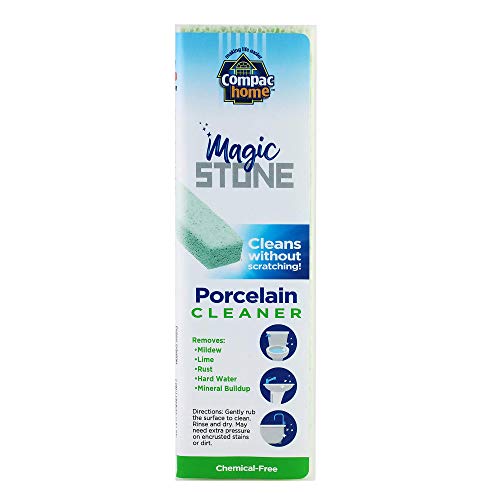
- Porcelain toilet bowl pumice stone for tough stains
- Toilet bowl brush with long handle curved head
- Toilet cleaning scraper tool plastic blade
- Toilet auger snake unclogger toilet plumbing tool
- Porcelain-safe scrub sponge for toilet bowl


Before You Start
Prepare the bathroom area by removing rugs or coverings and ensuring good ventilation. Wear protective gloves and eye protection when handling cleaners. Read all label instructions and never mix ammonia-based cleaners with bleach. Time estimates vary by stain severity; plan for 30–60 minutes for routine cleaning and longer if mineral deposits are heavy. Avoid using metal scrubbers on porcelain to prevent scratches that can trap bacteria and worsen staining.
Step-By-Step: How To Clean An Old Toilet Bowl
- Ventilate the bathroom and put on protective gloves and eye protection.
- Flush to wet the bowl and loosen loose debris.
- Apply a toilet-safe cleaner around the bowl rim and under the water line; let it sit 5–10 minutes.
- Use the long-handled toilet bowl brush to scrub the bowl’s interior in circular motions, reaching under the rim.
- For mineral stains, gently rub with a porcelain-safe pumice stone in small, flat motions. Do not press hard to avoid scratching.
- Use a plastic blade scraper to lift stubborn ring marks or hardened buildup around the water line and under the rim.
- Rinse by flushing or pouring water from a cup to confirm cleanliness; repeat cleaning steps if needed.
- If the toilet shows slow draining or clogging, insert the toilet auger carefully and rotate to clear the obstruction; flush to test.
- Wipe the exterior surfaces with a damp sponge and a mild cleaner; dry with a clean cloth to prevent water spots.
- Inspect for remaining stains and repeat targeted steps only where necessary.
- Rinse tools with clean water after use and store them in a dry area until next cleaning.
- Dispose of disposable wipes or materials according to local guidelines to minimize contamination.
Troubleshooting
| Symptom | Likely Cause | Fix | Prevention |
|---|---|---|---|
| Stains return after cleaning | Mineral buildup | Use pumice stone sparingly; repeat with etching-safe cleaner | Regular, light cleaning schedule |
| Rings around water line | Hard water deposits | Gently rub with pumice stone; apply descaling cleaner | Keep a routine descaler on hand |
| Clog persists after auger | Deep or multiple blockages | Try a longer auger or professional plumber | Avoid flushing inappropriate items |
| Scratches or dull spots after cleaning | Abrasive scrubbing tool | Switch to non-scratch sponges and plastic blades | Use abrasive tools only when necessary |
Common Mistakes
- Using bleach with ammonia-based cleaners, which can emit harmful gases.
- Scrubbing with metal brushes that scratch porcelain.
- Overly aggressive pumice stones that wear down the glaze over time.
- Neglecting the exterior and tank area, which can harbor bacteria and odors.
Tips For Best Results
- Schedule regular cleanings to prevent heavy buildup and shorten each session.
- Alternate cleaners to reduce chemical exposure and maintain effectiveness.
- Use the long-handled brush to minimize bending and reach under the rim efficiently.
- Rinse thoroughly after each cleaning cycle to avoid streaks and odors.
Call A Professional
Contact a professional plumber if you notice persistent clogs that do not respond to a toilet auger, signs of leaks around the base, or cracks in porcelain that compromise structural integrity. Stop using the toilet if you detect a strong sewer odor or if multiple fixtures in the home are backed up.
FAQ
What causes a toilet bowl to stain heavily?
Hard water minerals and mineral buildup combined with urine and cleaning agents can result in stubborn stains on porcelain.
Can pumice stone damage a toilet?
Used correctly on non-glazed surfaces or glaze-safe areas, pumice stone can remove hard mineral deposits without harming porcelain; avoid gliding it across bare metal or known glaze weaknesses.
Is it safe to use a toilet auger on old pipes?
Yes, when used carefully according to instructions; if unsure, consult a plumber to avoid pipe damage.
What routine maintenance helps prevent staining?
A light weekly wipe-down and monthly descaling help minimize mineral buildup and keep the bowl looking clean.
What should I avoid using in an old toilet?
Avoid bleach-only mixtures with ammonia and avoid metal scrubbers or abrasive pads on porcelain surfaces.
How often should I replace cleaning tools?
Inspect brushes and scrapers for wear; replace when bristles become frayed or blades show signs of cracking or dullness.
Buying Guide
When choosing cleaning tools for an old toilet bowl, consider size, materials, and compatibility with porcelain finishes. A long-handled brush improves reach and reduces bending, while a plastic blade scraper protects glaze. A porcelain-safe scrub sponge complements the setup by offering gentle abrasive options for stubborn deposits without scratching. For persistent clogs, a toilet auger provides a compact, non-destructive unclogging method. Evaluate how often you’ll clean, the hardness of your water, and how robust you want your toolkit to be. Look for products with clear usage instructions and durable construction to maintain performance over time.