Cleaning an acrylic tub requires the right approach to keep the surface glossy and scratch-free. This guide explains practical, non-abrasive methods and the best tools to protect acrylic finishes while removing soap scum, grime, and mineral deposits.
Quick Answer
Use a non-abrasive cleaner applied with a soft microfiber cloth or sponge, and gently scrub with a soft bristle brush or plastic scrubber pad. Rinse thoroughly after each pass, dry with a microfiber cloth, and avoid harsh chemicals and abrasive scrubbers that can scratch acrylic.
What You’ll Need
- Non-scratch sponge for acrylic tub cleaning – for gentle scrubbing without scratching
- Soft microfiber cloth for acrylic bathtub cleaning – for wiping and polishing
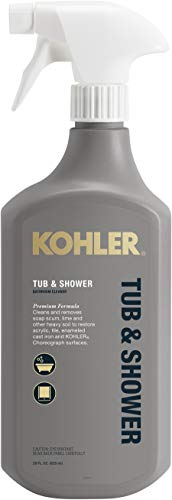
- Non-abrasive bathroom cleaner for acrylic tub – safe on acrylic surfaces
- Soft bristle bathtub brush for acrylic surfaces – for detailing corners and drains
- Plastic scrubber pad for acrylic tub cleaning – mild scrubbing where needed


Before You Start
Prepare the area by removing bath mats and securing loose items. Ventilate the bathroom to avoid fumes, and wear gloves if you have sensitive skin. Test cleaners on a small inconspicuous area to confirm they do not discolor or dull the finish. Avoid abrasive pads, ammonia, and bleach-based cleaners, which can damage acrylic over time. Allow the tub to cool if it’s recently hot, and plan a 20–40 minute cleaning session depending on buildup.
Step-By-Step: How To Clean An Acrylic Tub Without Scratching
- Remove all items from the tub and rinse with warm water to loosen loose grime.
- Apply a non-abrasive bathroom cleaner for acrylic tub in a generous, even layer across the surface.
- Let the cleaner sit for 2–3 minutes to break down soap scum and mineral deposits.
- Use the non-scratch sponge for acrylic tub cleaning to gently scrub in circular motions, focusing on areas with buildup.
- For hard-to-reach areas, employ the soft bristle bathtub brush for acrylic surfaces to dislodge grime without scratching.
- Lightly scrub stubborn stains with the plastic scrubber pad for acrylic tub cleaning, applying minimal pressure.
- Rinse the tub thoroughly with warm water, ensuring all cleaner residues are removed.
- Dry the surface with a soft microfiber cloth for acrylic bathtub cleaning to prevent water spots and streaks.
- Inspect for remaining soap scum; repeat cleaning steps only on remaining spots, not the entire tub.
- Finish with a quick wipe of the entire surface to maintain its shine and protective layer.
- Regular maintenance: perform a light wipe weekly and a deeper clean monthly to preserve the acrylic’s luster.
- Dispose of used cleaning materials properly and store tools in a dry area to prevent mold growth.
Troubleshooting
| Symptom | Likely Cause | Fix | Prevention |
|---|---|---|---|
| Streaks after cleaning | Soap residue or hard water minerals | Rinse thoroughly; dry with microfiber cloth | Rinse after each use; wipe dry |
| Scratches appear | Abrasive material or aggressive scrubbing | Switch to non-abrasive tools; use soft motions | Avoid metal scrubbers |
| Discoloration | Harsh chemical exposure | Cease use of affected cleaner; test new product | Use cleaners labeled safe for acrylic |
| Persistent soap scum | Mineral deposits or moisturizer residue | Soak with cleaner for longer; re-scrub | Regular maintenance and quick daily wipe |
Common Mistakes
- Using abrasive pads, steel wool, or scouring powders that scratch acrylic
- Applying cleaners directly onto metal fixtures that may corrode nearby hardware
- Neglecting to rinse off cleaner completely, leading to residue
- Not drying the tub after cleaning, which promotes water spots and mildew
Tips For Best Results
- Choose a non-abrasive bathroom cleaner for acrylic tub that is specifically labeled safe for acrylic surfaces
- Always use soft microfiber cloths for wiping to minimize micro-scratches
- Work in small sections to prevent cleaner from drying before you can rinse
- In hard water areas, consider a daily rinse with a mild cleaner to prevent mineral buildup
- Store tools dry to prevent mildew; replace worn brushes to avoid rough brushing
Call A Professional
Consider contacting a professional if there are deep scratches, extensive discoloration, or if the tub surface feels rough to the touch even after cleaning. Seek help if there are persistent mold or mildew growth behind fixtures or in grout lines, or if you notice cracks extending into the acrylic shell. Signs that require expert attention include sustained haziness or a matte appearance that does not improve with routine cleaning.
FAQ
Can I use vinegar on an acrylic tub?
Yes, in small amounts and diluted with water, vinegar can help remove mineral buildup. Do not use vinegar on metal fixtures or grout that may be damaged by acidity.
Is bleach-safe for acrylic tubs?
Bleach can discolor or degrade acrylic over time; avoid routine use. If necessary for tough stains, use it sparingly and rinse thoroughly.
What is the best way to remove soap scum?
Combine a non-abrasive cleaner with a soft sponge and a gentle brush, then rinse and dry to prevent future buildup.
How often should I deep-clean an acrylic tub?
Deep-clean monthly is common, while quick weekly wipes help maintain finish and prevent stubborn buildup.
Buying Guide
When selecting cleaning tools and products for an acrylic tub, consider size, noise level, energy efficiency, controls, and placement of items. For the best results, choose tools that minimize friction and avoid hard abrasives. Here are factors to compare:
- Size and reach – choose brushes and pads that reach corners without overextending
- Material quality – prioritize soft microfiber cloths and non-scratch sponges
- Cleaner formulation – look for products labeled safe for acrylic surfaces and non-abrasive
- Ease of storage – compact tools that dry quickly help prevent mildew
- Versatility – tools suitable for other bathroom surfaces without scratching
How do you balance effectiveness with safety for finish maintenance? Start with the mildest cleaner that removes visible grime, then adjust tools if needed. Would a gentle approach, frequent upkeep, and proper drying routines keep the tub looking like new? Yes, with consistent practice and the right materials.