An alpaca blanket brings luxury and warmth, but keeping it clean requires gentle handling to preserve its softness and loft. This guide outlines safe methods tailored for alpaca fibers and offers practical steps you can follow at home.
Quick Answer
For most alpaca blankets, spot clean small stains, then hand wash or use a wool-safe wash cycle with cold water. Air dry flat away from direct heat. Avoid heavy agitation and high heat to protect the fibers and color.
What You’ll Need
- Lint roller for wool blankets
- Garment steamer for delicate fabrics wool blanket
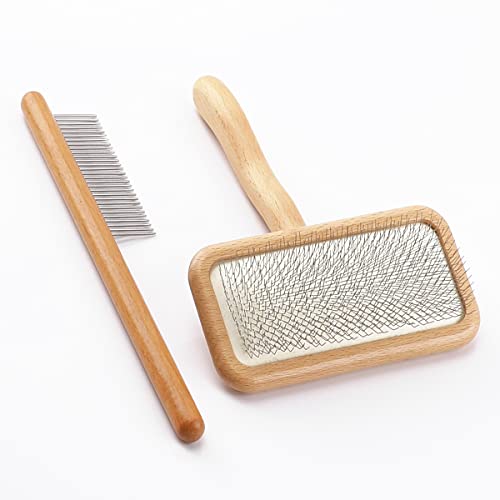
- Wool cleaning brush for alpaca blanket
- Delicate fabric wash mitt for wool blankets
- Wool-safe washing brush for blankets


Before You Start
Check the blanket for any care labels and follow manufacturer guidance if provided. Work in a clean, well-lit area and lay a towel on the surface to prevent snagging. Test a small hidden edge with water and mild detergent to verify colorfastness.
Critical cautions: alpaca fibers can shrink or felt if exposed to heat or agitation. Use cold water, gentle motions, and avoid chlorine bleach or fabric softeners, which can coat fibers and reduce absorbency.
Step-By-Step: How To Clean An Alpaca Blanket
- Inspect the blanket for stains and treat them with a mild, wool-safe cleaner if needed. Blot rather than rub to lift soils without harming fibers.
- Fill a clean basin with cold or lukewarm water and add a small amount of wool-safe detergent designed for delicate fabrics. Never use regular laundry soap or bleach.
- Submerge the blanket gently and move it through the water with slow, circular motions. Let it soak for 5–10 minutes, then lightly agitate to release dirt.
- Rinse with cold water until no suds remain. Avoid twisting or wringing; press the water out by pressing the fabric between clean towels.
- For heavier blankets, consider a light wash cycle on a front-loading washing machine using cold water and a wool-safe detergent, with a short, gentle spin. Use a laundry bag if available.
- Remove excess moisture by pressing with towels, then lay the blanket flat on a clean surface. Gently reshape the edges to maintain the original dimensions.
- Air dry away from direct sun or heat sources. If possible, place the blanket on a drying rack or clean, dry towels to support air circulation.
- If stubborn odors persist, lightly steam from a distance with a garment steamer set to a low heat, keeping the head moving to avoid scorching the fibers.
- Brush the fibers once dry using a wool cleaning brush to restore nap and remove any remaining lint or fibers that clump together.
- Inspect for any missed spots and repeat gentle spot-cleaning if necessary, then store folded in a cool, dry place.
- For ongoing maintenance, use a lint roller for wool blankets to remove surface dust and lint between washings.
Troubleshooting
| Symptom | Likely Cause | Fix | Prevention |
|---|---|---|---|
| Stains that won’t lift | Heavy oils or set-in stains | Pre-treat with a wool-safe stain remover; soak longer in cold water | Address stains promptly; avoid heat during cleaning |
| Color fading or bleeding | Direct contact with hot water or harsh detergents | Rinse thoroughly with cold water; rewash with color-safe wool detergent | Always use cold water and mild wool detergents |
| Fibers felted or shrink | Excessive heat or agitation | Re-wet and rinse with cold water; avoid machine agitation | Avoid heat; use proper gentle cycles |
| Stiff nap after drying | Over-drying or insufficient brushing | Lightly brush while damp, then air dry | Dry flat and brush regularly |
Common Mistakes
- Using hot water or regular laundry detergent on alpaca fibers
- Vigorously scrubbing stains or wringing the blanket
- Drying in direct sun or on high heat
- Skipping a colorfast test before full washing
Tips For Best Results
- Keep alpaca blankets clean with routine light maintenance, such as brushing to remove surface dust.
- Choose a wool-safe detergent formulated for delicate fabrics and use the smallest effective amount.
- When storing, ensure the blanket is completely dry to prevent mildew and odor formation.
- Rotate the blanket’s use to minimize wear in any single area and prevent pilling.
Call A Professional
Consider professional cleaning if the blanket has delicate decorative elements, large stains, or persistent odors that resist at-home cleaning. Seek help if the fibers appear permanently misshapen or if the blanket shows loose threads or unraveling seams. In such cases, a textile specialist or dry cleaner experienced with wool and delicate fibers can assess and treat the blanket without risking damage.
FAQ
Can I wash an alpaca blanket in a washing machine?
Yes, on a gentle wool-safe cycle with cold water and a mild detergent, ideally in a laundry bag or front-loading machine to minimize agitation.
Should I use fabric softener on alpaca blankets?
No. Fabric softeners can coat fibers and reduce breathability and softness over time.
How do I remove lint from an alpaca blanket?
Use a lint roller for wool blankets or a soft bristle brush to lift lint without pulling fibers.
Is it safe to steam alpaca blankets?
Light steaming can refresh the nap and remove wrinkles, but avoid high heat or close exposure to prevent fiber damage.
How long does it take to dry an alpaca blanket?
Air drying flat typically takes 6–24 hours depending on thickness and humidity; ensure it is completely dry before storage.
Can I iron alpaca blankets?
Avoid ironing directly; if needed, use a low-heat setting with a pressing cloth and minimal contact.
Buying Guide
Choosing care-friendly alpaca blankets involves considering size, fiber quality, and how you plan to use them. Factors below help determine the right option for your home.
- Size and weight: Select a blanket that comfortably covers your seating or bed area without excessive bulk. Thicker blankets provide warmth but require gentler handling.
- Fiber quality: Higher-grade alpaca fibers feel softer and shed less; they typically tolerate gentle washing better and resist pilling.
- Noise level and comfort: Not applicable to cleaning, but choosing a blanket that remains soft after washing is essential for comfort.
- Energy and fabric care: Alpaca fibers respond well to cold-water cleaning; avoid hot water and high heat to conserve fiber integrity.
- Controls and maintenance: Routine brushing and occasional professional cleaning can extend life. Look for blankets that come with care instructions and labeled fibers.
- Placement: Store in a dry, ventilated area to prevent mildew; use breathable storage bags rather than plastic to reduce moisture buildup.
- Allergies and sensitivities: Alpaca is hypoallergenic for many people, but regular cleaning is important to minimize dust and dander.
Thinking about how to clean an alpaca blanket at home? A calm routine with cold-water washing, careful handling, and proper drying typically keeps blankets soft, cozy, and long-lasting. If in doubt, a professional cleaner with experience in delicate fabrics can provide tailored care that preserves color and texture over time.