Alligator leather is prized for its durability and distinctive texture, but it requires careful maintenance to preserve its color and supple feel. This guide walks American readers through a practical cleaning routine, using purpose-built products to clean, condition, and protect genuine alligator leather without compromising its characteristics.
Whether you’re refreshing a wallet, belt, or jacket, following a structured process helps prevent damage from moisture, oils, and improper cleaning methods. The steps below balance safety, performance, and long-term care for alligator skin leather.
Quick Answer
Clean with a dedicated alligator leather cleaner kit, then condition with a genuine alligator leather conditioner. Use a soft brush designed for exotic hides and apply evenly. Test any product on a hidden area first, and avoid excess moisture. Regular maintenance extends life and keeps color vibrant.
What You’ll Need
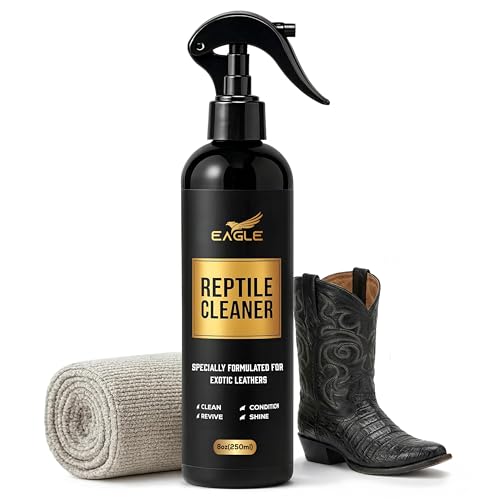
- Alligator leather cleaner kit
- Genuine alligator leather conditioner
- Alligator skin leather cleaning brush
- Exotic leather care kit for alligator leather
- Alligator leather repair and conditioning balm


Before You Start
Prepare a clean, dust-free workspace. Test each product in a discreet spot before full use to verify colorfastness. Use soft, lint-free cloths and never apply cleaner directly onto leather. Avoid heat sources and excessive moisture, which can deform or stain exotic hides. Time estimates vary by item; budget 30–60 minutes for a typical care session.
Step-By-Step: Cleaning Alligator Leather
- Identify the item and inspect for surface cracks, stains, or water spots. Note any weak areas before cleaning.
- Dust with a soft brush to remove loose particles, paying special attention to the grain pattern of the alligator skin.
- Apply a small amount of cleaner to a clean cloth, then work in a gentle, circular motion over a small inconspicuous area to test compatibility.
- If test passes, continue cleaning the entire surface with the same light pressure, avoiding saturated areas and never soaking the leather.
- Wipe away any residue with a separate clean cloth. Allow the leather to air-dry away from direct sunlight or heat.
- Once dry, apply a thin layer of the alligator leather conditioner using a soft cloth, again testing on a hidden area first.
- Massage the conditioner into the grain with light, even strokes until the surface feels supple and evenly tinted.
- Remove excess conditioner with a clean cloth and let the item rest for several hours in a cool, ventilated space.
- Check the finish for uniformity. If the surface looks dry or pale, reapply a light coat following the same method.
- For repairs, use the repair and conditioning balm only on small, isolated areas as indicated by product directions, avoiding overuse.
- Store cleaned items in a breathable dust cover or pouch to protect from dust and sunlight between uses.
- Schedule regular conditioning every 3–6 months, or more often for frequent use or exposure to harsh conditions.
Troubleshooting
| Symptom | Likely Cause | Fix | Prevention |
|---|---|---|---|
| Streaks after cleaning | Uneven product application | Reapply conditioner evenly with circular motions | Use light pressure and test first |
| Dry, stiff patch | Over-cleaning or insufficient conditioning | Apply conditioner and allow to penetrate | Maintain regular conditioning |
| Discoloration | Incompatible cleaners or moisture exposure | Spot-test with cleaner; avoid water-heavy methods | Choose products designed for exotic hides |
| Leather feels tacky | Excess conditioner residue | Wipe with a clean cloth after absorption | Use minimal product per treatment |
Common Mistakes
- Using generic leather cleaners not formulated for exotic hides
- Applying too much moisture or saturating the surface
- Skipping a test patch on hidden areas
- Ignoring drying time between steps
- Rubbing aggressively, which can wear the grain or cause cracks
Tips For Best Results
- Always perform a spot test on a hidden area before full application.
- Apply products in thin layers to avoid buildup on the grain.
- Use a dedicated alligator skin brush to lift dirt without scratching.
- Store items away from direct sun and heat; exotic leathers darken when exposed to strong light.
- Schedule conditioning based on usage; items worn daily may need more frequent care.
Call A Professional
Consider professional help if an item has deep scratches, significant color loss, or tears that require structural repair. Seek a specialist with experience in exotic leathers for complex repairs or color restoration. Stop using home remedies on delicate or severely damaged pieces to avoid irreversible harm.
FAQ
Can I use household cleaners on alligator leather?
No. Household cleaners can strip finishes or damage the hide. Use products specifically designed for exotic leathers.
How often should I condition alligator leather?
Typically every 3–6 months, or more often for items exposed to frequent wear or humidity.
Is water safe for alligator leather?
Moisture should be controlled; light moisture from cleaning is okay if promptly dried, but avoid soaking.
What if the color fades after cleaning?
Color loss may indicate over-drying or using incompatible products. Reassess product choice and consider a designated color-preserving conditioner.
Buying Guide
When selecting care products for alligator leather, consider size, compatibility, and form of the kit. Look for cleaners and conditioners that explicitly state compatibility with exotic hides and alligator leather. A comprehensive exotic leather care kit should cover cleaning, conditioning, and light conditioning balm for minor repairs. Consider items that come with a soft cleaning brush and microfiber cloths to minimize scratches. For best results, pair a dedicated alligator leather cleaner kit with a genuine alligator leather conditioner, and keep a repair balm on hand for small touch-ups.
Key Buying Factors
- Size and contents: A complete kit with cleaning solution, conditioner, brush, and balm offers a balanced care regime.
- Noise level and application ease: Tools should be gentle, yet effective without harsh brushes.
- Energy efficiency: Not a primary concern for cleaning; focus on product efficiency and surface compatibility.
- Controls: Simple, user-friendly application guidance improves outcomes for home use.
- Placement and storage: Store in a cool, dry place away from direct sun to preserve product integrity and leather color.
Finding the right combination of products ensures safe cleaning and lasting beauty for alligator leather. By following the steps above and using the recommended tools, owners can maintain the material’s unique texture and natural luster without compromising its durability. If unsure, consult brand guidelines or a professional familiar with exotic leathers to tailor a care routine to the item’s specific needs.