All weather mats protect vehicle carpets from daily wear, mud, and moisture. Regular and thorough cleaning helps extend their life and keeps the interior looking fresh. This guide outlines practical steps, tools, and tips for cleaning rubber floor mats using common household supplies and specialized brushes.
Quick Answer
Best fast method: shake out debris, vacuum if possible, scrub with a rubber car floor mat cleaning brush, rinse with a hose or pressure washer, and dry completely before reinstalling. For stubborn grime, use a hot water steam cleaner or a dedicated detergent formulated for car mats.
What You’ll Need
- Rubber car floor mat cleaning brush with stiff bristles for tough grime
- Car floor mat scrub brush with scraper to lift embedded dirt and remove scuffs
- Pressure washer detergent for car mats or a strong yet safe cleaning solution
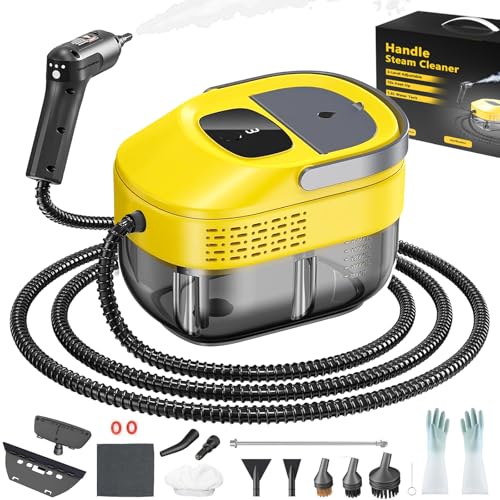
- Hot water steam cleaner for car mats and interiors for deep cleaning and sanitizing
- Multi-purpose cleaning brush set for rubber floor mats to tackle corners and tight spots


Before You Start
Assess the mat type and vehicle interior. Most all weather mats are made of durable rubber or thermoplastic material and tolerate high-pressure cleaning, but always check manufacturer care instructions. Protect sensitive surfaces around the mat area from splashing cleaners. Allow ample drying time to prevent mildew. Time estimate: 20–45 minutes depending on grime and cleaning method.
Step-By-Step: How To Clean All Weather Mats
- Remove mats from the vehicle and shake off loose dirt. Vacuum the mat surface to pick up fine dust and pet hair.
- Rinse the mats with warm water to loosen embedded debris. Use the rubber car floor mat cleaning brush with stiff bristles to agitate and lift stuck-on grime.
- Apply the pressure washer detergent for car mats or an appropriate cleaner. Focus on heavily soiled areas and corners where dirt collects.
- Scrub with the car floor mat scrub brush with scraper, paying attention to seams and ridges. Use the scraper end to lift caked material without damaging the mat.
- Rinse thoroughly with the pressure washer or garden hose until all soap is removed. Repeat if necessary for persistent stains.
- For deep cleaning, run the mats through a hot water steam cleaner for car mats and interiors to kill bacteria and deodorize. Work in sections to avoid over-wetting.
- Dry the mats completely before reinstalling. Use a clean towel to blot excess moisture or air-dry in a shaded area away from direct sun to prevent warping.
- Inspect for remaining stains or wear. Repeat cleaning on stubborn spots if needed, and consider a light conditioning spray to maintain flexibility (if compatible with the mat material).
- Reinstall the mats in the vehicle, ensuring correct orientation and secure fit to prevent shifting during driving.
- Optional maintenance: monthly quick cleanups with the multi-purpose brushes can keep mats looking new between deep cleans.
- Store or transport cleaning tools in a dedicated bin to streamline future cleanings and reduce repeat setup time.
Troubleshooting
| Symptom | Likely Cause | Fix | Prevention |
|---|---|---|---|
| Stubborn oily residue remains | Grease buildup on mat surface | Reapply pressure-washer detergent, re scrub, and rinse thoroughly | Clean mats regularly to prevent buildup |
| Stains that resist brushing | Deep-set staining from mud or chemicals | Use steam cleaner on affected areas after scrubbing | Address spills promptly |
| Roughness or cracking after cleaning | Over-exposure to harsh cleaners or high heat | Switch to milder detergent and avoid direct high heat | Follow manufacturer care guidelines |
| Mat warps after drying | Mat was left in sun while wet | Dry in shade and flat to recover shape | Dry thoroughly before reinstalling |
Common Mistakes
- Using bleach or solvent cleaners that can degrade rubber materials
- Hiring high heat or direct sunlight during drying, which can warp mats
- Skipping a full rinse, leaving soap residue that attracts more dirt
- Using metal scrapers that may scratch the mat surface
These missteps are common but easily avoidable with the right tools and follow-up care.
Tips For Best Results
- Pre-treat especially dirty areas with a targeted cleaner and let it dwell for a few minutes before scrubbing.
- Use the multi-purpose cleaning brush set for rubber floor mats to cover different shapes and gaps.
- Rinse from top to bottom to prevent dirty water from running onto cleaned areas.
- Keep a dedicated drying rack or sloped surface to speed up air drying.
- Check mat fit after cleaning to ensure they lay flat and do not bunch up under pedals.
Call A Professional
Consider professional help if mats are severely stained, warped, or if cleaning requires removal of adhesives or non-standard mats. Stop signs include persistent odors after cleaning, visible cracks, or mats that do not return to their original shape.
FAQ
Can I use household cleaners on all weather mats?
Most rubber and thermoplastic mats tolerate general cleaners, but avoid harsh solvents and bleach that can degrade material.
Is a pressure washer necessary?
No, but a pressure washer speeds up cleaning and helps remove embedded dirt—use with proper setting to avoid damage.
How long does it take to dry?
Typically 30 minutes to a few hours depending on ventilation and mat material.
How often should I clean all weather mats?
Deep clean every 1–3 months depending on usage; quick cleanups can be done weekly.
Buying Guide
When choosing products and gear for cleaning all weather mats, consider size compatibility, cleaning power, and material safety. Look for brushes with stiff bristles that won’t wear down the mat surface, durable scrapers, and detergents formulated for automotive rubber. A compact steam cleaner can be a boon for sanitizing interiors, while a reliable pressure washer makes urban grime easier to dislodge.
Key buying factors include:
- <bSize and fit—ensure brushes and mats match your vehicle’s dimensions and mat layout for full coverage.
- Noise level—choose quieter brushes or electric tools if you drive with windows down or share a garage space.
- Energy efficiency—opt for compact steam cleaners and efficient detergents to minimize electricity and water use.
- Controls—ergonomic handles, adjustable spray, and clear instructions help reduce fatigue during cleaning.
- <bPlacement—store tools in a dedicated cleaning kit to keep mats and interior surfaces safe from cross-contamination.
Considering these factors helps select a kit that covers routine maintenance and deeper cleans. Are you ready to tackle the next cleaning session with confidence?