From daily wear to occasional removal, clear aligners require routine care to stay hygienic and transparent. This guide outlines reliable methods, recommended tools, and practical steps suited for most American households.
Readers will find actionable steps, safety notes, and troubleshooting tips to keep aligners fresh without compromising their fit or material.
Quick Answer
Most effective methods: use aligner cleaning tablets for clear aligners or a soft bristle toothbrush with plain water, and occasionally an ultrasonic cleaner for a deep clean. For quick in-between days, a clear aligner cleaning spray solution can help between meals and brushing sessions.
What You’ll Need
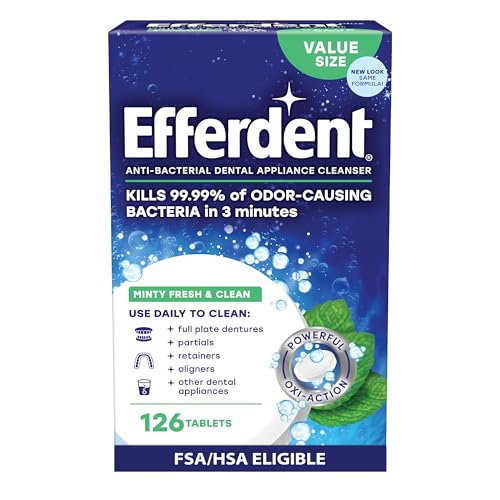
- aligner cleaning tablets for clear aligners
- retainer cleaning kit for clear aligners
- ultrasonic cleaner for aligners and retainers
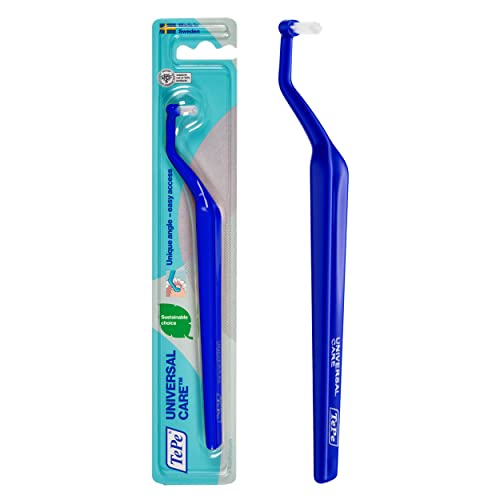
- soft bristle toothbrush for cleaning clear aligners
- clear aligner cleaning spray solution

Before You Start
Prepare a clean workspace and a designated container of lukewarm water for soaking. Never use hot water, which can warp the aligners. Remove aligners gently and handle them with clean hands. If the wearer has braces or other dental appliances, follow the dentist’s guidance on cleaning during treatment. Typically, plan for daily cleaning with a short, dedicated routine and a deeper weekly clean.
Important cautions: avoid harsh chemicals not approved for aligners, such as bleach or hydrogen peroxide in high concentrations, unless explicitly recommended by a dental professional. Prolonged soaking can affect fit; follow product-specified durations. Keep aligners away from pets and small children who might chew or play with them.
Step-By-Step: How To Clean Aligners
- Gently rinse aligners under lukewarm running water to remove saliva and loose debris.
- Determine the cleaning method you’ll use for the day: tablets, spray, or brushing.
- Using cleaning tablets for clear aligners: drop a tablet into a glass of lukewarm water, then place the aligners in the solution for the recommended time. Rinse thoroughly before wearing.
- Using a soft bristle toothbrush: apply a small amount of gentle, unscented toothpaste or a cleanser designed for aligners. Lightly brush all surfaces, then rinse well.
- Using an ultrasonic cleaner: place aligners in the device with the appropriate cleaning solution and run the recommended cycle. Rinse after removal and dry before storage.
- Using a cleaning spray solution: spray evenly on all surfaces, rinse only if the product instructions require rinsing, then air dry.
- Store aligners dry and in a case when not in use to prevent warping and accumulation of microbes.
- Repeat the routine daily, integrating a weekly deep clean using tablets or the ultrasonic method for best results.
- If aligners show clouding or odor, perform an extra soak or a double-clean week, ensuring no product residue remains.
- Inspect aligners for rough edges or damage during cleaning; report issues to a dentist if irregularities appear.
- Return aligners to their correct position after cleaning and resume normal wear as prescribed by the clinician.
Troubleshooting
| Symptom | Likely Cause | Fix | Prevention |
|---|---|---|---|
| Cloudy or white film | Residue from cleansers or hard water | Rinse thoroughly and try a different cleaning agent | Use distilled water and follow product directions |
| Rough feel or surface | Worn brush or abrasive cleaners | Switch to a soft-bristle brush and non-abrasive cleansers | Avoid toothpaste with abrasive particles |
| Unpleasant odor | Infrequent cleaning | Increase cleaning frequency and consider a weekly deep clean | Regular daily maintenance |
| Aligners feel loose | Extended wear or warping | Consult clinician; avoid hot water; may need new aligners | Follow wear-time guidance precisely |
Common Mistakes
- Using hot water or boiling liquids that warp the plastic.
- Over-brushing or scrubbing with hard brushes that scratch surfaces.
- Mixing cleaners not meant for aligners, which can leave harmful residues.
- Skipping daily cleaning in favor of infrequent deep cleans, leading to buildup.
Tips For Best Results
- Establish a consistent daily routine: rinse, clean, rinse, and store.
- Keep a dedicated cleaning kit in a travel-friendly case for on-the-go cleaning.
- Use the recommended soaking times; longer isn’t always better and may degrade materials.
- Dry the aligners completely before reinserting to prevent bacterial growth.
- Label cases to avoid mismatches and ensure proper hygiene.
Call A Professional
Seek professional advice if aligners crack, discolor, or fit poorly after cleaning attempts. Stop using damaged aligners, and contact the orthodontist or dentist promptly. Severe staining, persistent odor, or persistent discomfort should not be ignored, as these could indicate underlying dental issues.
FAQ
How often should I clean my aligners?
Clean them daily, with a deeper weekly cleaning or as recommended by a dentist.
Can I clean aligners with toothpaste?
Use only non-abrasive toothpaste or a cleanser designed for aligners to avoid scratches.
Is an ultrasonic cleaner safe for aligners?
Yes when used according to manufacturer instructions and with appropriate cleaning solutions.
What should I do if my aligners smell bad after cleaning?
Consider a stronger weekly cleaning and check for buildup; ensure proper drying and storage.
Buying Guide
When choosing tools to clean aligners, consider size and portability for travel, compatibility with clear aligners, and the ease of use. Look for products that are designed specifically for clear aligners and retainers to avoid material reactions. Noise level is generally not a concern for at-home cleaners, but energy efficiency and battery life may matter for electronic devices like ultrasonic cleaners.
Key buying factors include:
- Size and capacity – choose a compact kit for travel or a larger unit for home use.
- Noise level – ultrasonic cleaners can emit low noise; consumer reviews can help gauge tolerance.
- Energy efficiency – look for energy-saving modes and auto shut-off features.
- Controls – intuitive timers and clear instructions improve reliability.
- Placement – ensure the device fits the sink area or storage space without obstruction.
For most users, a combination approach works best: daily brushing with a soft brush, occasional tablet soaking for a deep clean, and an ultrasonic cleaner for periodic maintenance. Consider your routine, travel needs, and dentist’s recommendations to assemble a practical cleaning kit.