The Air Force sneaker laces can collect dirt, oils, and odors over time. Proper cleaning helps restore appearance and prevents fraying. This guide provides practical steps using common shoe-care tools and a dedicated lace-cleaning approach.
Quick Answer
Separate the laces from the shoe, gently brush off loose dirt, soak in a mild cleaning solution, agitate with a soft brush, rinse, and air-dry completely. For delicate or stubborn stains, use a fabric stain remover pen or a lace washing bag to protect fibers.
What You’ll Need
- nylon bristle shoe cleaning brush for laces
- soft bristle toothbrush for shoelace cleaning
- sneaker cleaning kit with brush and lace cleaner
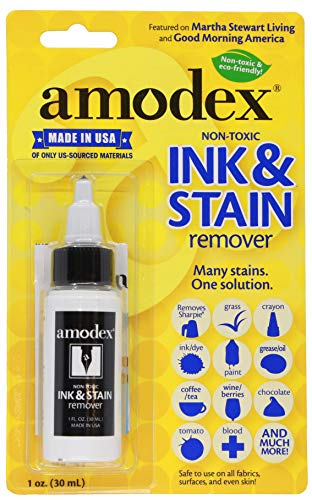
- fabric stain remover pen for shoelaces
- shoelace washing bag for delicate laces


Before You Start
Remove the laces from the sneakers and knot the aglets to keep them from fraying. Work on a protected surface to avoid staining floors. Test any cleaner on a small, inconspicuous area of the lace if the lace color is sensitive. Allow plenty of time for drying; damp laces can hold odor and promote mildew if not fully dry. Do not bleach synthetic laces unless the manufacturer allows it.
Step-By-Step: How To Clean Air Force Laces
- Lay out clean towels and detach the laces from the shoes entirely.
- Shake or brush off loose dirt with the nylon bristle shoe cleaning brush for laces.
- If laces are heavily soiled, fill a small bowl with warm water and a drop of mild liquid detergent.
- Soak the laces in the solution for 10–15 minutes to loosen grime.
- Gently scrub each lace with a soft bristle toothbrush to lift embedded dirt.
- Rinse laces under cool running water until suds disappear.
- For persistent stains, apply a fabric stain remover pen for shoelaces and blot until clean, then rinse again.
- Place delicate laces in a shoelace washing bag and run a gentle cycle in a washing machine if the laces are colorfast and machine-safe; otherwise, hand-wash and air-dry.
- Remove laces from the bag, gently squeeze out excess water, and lay flat to air-dry completely away from direct heat.
- Re-lace sneakers once completely dry to prevent color transfer onto the shoe interior.
- Inspect for any remaining odor; repeat cleaning if needed, particularly for white or light-colored laces.
- Store extra laces in a dry, ventilated place to keep them fresh between uses.
Troubleshooting
| Symptom | Likely Cause | Fix | Prevention |
|---|---|---|---|
| Stains remain after cleaning | Deep-set or dye transfer | Apply fabric stain remover pen and rewash; consider replacing if color is affected | Pre-treat stains early; use color-safe laces in future |
| Laces appear stiff after drying | Excess detergent residue | Rinse thoroughly; run through a gentle rinse cycle or additional rinses | Use minimal detergent |
| Color fading on light-colored laces | Sensitive dyes | Avoid chlorine-based cleaners; use milder solutions | Test cleaner on a hidden area first |
| Moldy odor persists | Improper drying | Air-dry completely in a well-ventilated area; consider a quick sun exposure if fabric allows | Dry fully before storing |
Common Mistakes
- Not removing laces from the shoe before cleaning, which can spread dirt to the tongue and eyelets.
- Using hot water that can set stains or cause color bleeding.
- Over-soaking white or light laces, which may yellow over time.
- Rushing drying with direct heat, leading to stiffness or warp.
- Ignoring delicate fabrics and attempting heavy-duty cleaners.
Tips For Best Results
- Always air-dry laces completely before relacing to prevent mildew and odor.
- Consider multiple laces with different colors to rotate outfits and reduce frequent washings.
- Use a dedicated lace washing bag to minimize tangling and protect delicate fibers.
- Label or color-code laces if sharing with others to avoid cross-contamination of colors.
- Regular light cleaning after workouts can extend lace life and maintain look.
Call A Professional
Consult a pro if laces are exceptionally valuable, intricate, or heavily stained beyond home methods, or if the shoes require professional cleaning that could affect adhesives or materials. Seek professional care if there are signs of fabric damage, fraying beyond typical wear, or color bleeding that affects the shoe’s appearance.
FAQ
Can I wash Air Force laces in a washing machine?
Yes, if the laces are colorfast and the fabric care label allows machine washing; use a gentle cycle and place them in a lace washing bag.
Should I use bleach on white laces?
Only if the laces are bleach-safe and the manufacturer permits it; otherwise, use a mild detergent or fabric stain remover pen.
How long do laces take to dry?
Typically 2–6 hours depending on humidity and ventilation; fully air-dry away from direct heat.
Can I replace damaged laces instead of cleaning?
Yes; replacing worn or frayed laces is often better for shoe integrity and fit.
What if the lace colors bleed onto the shoe?
Rinse the laces thoroughly and rerun color-safe cleaning; consider replacing with color-matched laces if bleeding persists.
Buying Guide
When choosing replacement or cleaning accessories for Air Force laces, consider factors such as lace length and material, cleaning ease, and maintenance. Do you need only basic cleaning gear or a complete kit? Look at size compatibility with your sneakers, whether you prefer nylon or cotton laces, and whether you want color-coordinated options for faster setup. Noise level and energy use are less relevant for manual cleaning but matter for machine-based options. For sensitive fabrics, opt for kits that include delicate-lace care parts such as a soft-bristle brush and a dedicated lace bag. Finally, think about storage and longevity—durable materials, reinforced aglets, and colorfast dyes will extend life and reduce replacements. Would you benefit from a bundled kit that includes a lace cleaner and stain remover for quick refreshes after workouts? A well-chosen kit saves time and keeps sneakers looking sharp.