Air conditioner fins, including condenser and evaporator coils, require regular cleaning to maintain cooling efficiency and extend the unit’s life. This guide walks American readers through practical, step-by-step methods using common tools and products designed for AC fins.
Proper maintenance helps improve airflow, reduce energy use, and prevent costly compressor strain. The process is straightforward, but it relies on gentle handling to avoid bending or damaging delicate fins.
Quick Answer
What to do quickly: unplug the unit, protect electrical components, and use a fin comb or brush to lift debris from the fins. Apply an appropriate cleaner spray to loosen grime, rinse with low-pressure water, and dry thoroughly before reassembly.
What You’ll Need
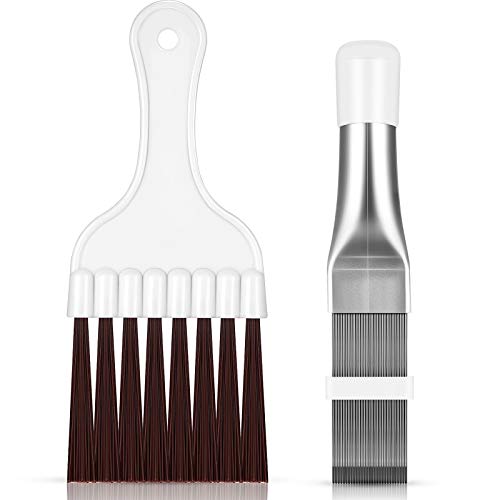
- Aluminum AC condenser coil fin comb
- Fin comb for AC fins
- Evaporator coil cleaner spray for air conditioner fins
- AC condenser coil cleaner spray 32 oz
- Evaporator coil cleaning brush for air conditioner


Before You Start
Turn off power at the breaker and disconnect any external power sources to avoid shocks. Protect surrounding surfaces from overspray and water. Check the unit’s accessibility; some outdoor condensers require gentle cleaning access from the fan side. Time estimates: plan 30–60 minutes for a typical home system. Important cautions: never use metal tools that can bend or break fins, and avoid high-pressure spraying directly into electrical components.
Step-By-Step: How To Clean AC Fins
- Power off the system at the breaker and disable any remote controls to prevent startup.
- Inspect the fins for obvious bends and use the fin comb to straighten them carefully.
- Remove loose debris by gently brushing with the evaporator coil cleaning brush or a soft-bristle brush.
- Apply the evaporator coil cleaner spray for air conditioner fins or AC condenser coil cleaner spray 32 oz according to label directions, focusing on the dirty areas.
- Let the cleaner dwell for the recommended time to break down grime, then rinse with a low-pressure spray or a garden hose with gentle pressure.
- Rinse from the fins outward to avoid pushing debris deeper into the coils.
- Recheck the fins and re-straighten any misaligned sections with the fin comb for AC fins.
- Allow the coil to dry completely before restoring power. Check for any residual grime and repeat if necessary.
- Reconnect power, run the system on a test cycle, and inspect for normal airflow and cooling performance.
- Schedule routine maintenance every 6–12 months, or sooner in dusty environments.
- Store cleaning tools in a dry area and inspect them before the next use to prevent corrosion or wear.
- Keep outdoor units clear of vegetation and debris to maintain airflow after cleaning.
Troubleshooting
| Symptom | Likely Cause | Fix | Prevention |
|---|---|---|---|
| Weaker cooling after cleaning | Residual debris or improper rinse | Rinse again with low pressure; inspect fins for obstructions | Regular maintenance every season |
| Fins bent after cleaning | Using metal tools or excessive force | Use fin comb gently to reshape | Handle fins with care; store tools properly |
| Noisy operation | Loose components or debris near fan | Check mounting hardware; clear debris from fan area | Clean surroundings and inspect hardware during maintenance |
| Overheating during sun exposure | Blocked airflow or dirty coils | Clean coils; ensure unobstructed airflow | Trim nearby vegetation; keep area clear |
Common Mistakes
- Using high-pressure water directly on fins, which can bend or bend and damage coil structure.
- Forcing fins back into shape with sharp metal tools.
- Neglecting to power down the unit or protect electrical components during cleaning.
- Overusing cleaner or not following dwell times, leading to residue or corrosion.
Tips For Best Results
- Clean coils during cooler parts of the day to prevent rapid drying that can cause mineral streaks.
- Choose non-acidic, non-abrasive cleaners specifically designed for AC fins and coils.
- Work methodically from the outer edges toward the center to avoid pushing debris into the core.
- Inspect seals and gaskets after cleaning to maintain efficient airflow and prevent leaks.
- Document maintenance with dates and notes to track coil condition over time.
Call A Professional
Stop and call a professional if you notice persistent refrigerant or compressor issues, loud grinding noises, signs of refrigerant leaks, or corrosion that seems beyond DIY repair. Do not attempt to disassemble sealed refrigerant chambers or inner coil assemblies. When in doubt, consult a HVAC technician for safety and warranty considerations.
FAQ
Can I clean AC fins with household cleaners?
Use cleaners formulated for AC fins or coils to avoid chemical damage. Avoid household cleaners with strong acids or solvents.
Is it safe to use a brush on fins?
Yes, a soft-bristle evaporator coil cleaning brush is safe when used gently to prevent bending the fins.
How often should fins be cleaned?
Typically every 6–12 months, with more frequent cleaning in dusty or windy environments.
What if the fins won’t straighten?
Use a dedicated fin comb gradually; if stubborn, seek professional service to avoid damaging the coil.
Do I need to dry the coils completely before powering up?
Yes, allow thorough drying to prevent electrical issues and ensure proper airflow.
Will cleaning improve my AC efficiency?
Yes, cleaner fins reduce air resistance and help the system operate more efficiently.
Can I clean evaporator and condenser fins the same way?
The approach is similar, but follow product directions for each coil type and avoid blowing debris into the house or outdoor environment.
Buying Guide
When selecting tools and cleaners for AC fins, consider size compatibility with your unit, ease of use, and safety features. For fins and coils, kits that include a fin comb and a coil cleaner spray are convenient. Look for spray bottles with clearly labeled dwell times and safety instructions for outdoor use. If you have limited access or mixed metal components, choose non-corrosive cleaners and a gentle brush. Finally, assess noise and placement requirements to ensure a clean, efficient cooling system without disruption to the living space. Would you benefit from a multi-pack that covers both condenser and evaporator maintenance?