Wooden toilet seats add a warm, natural look to bathrooms, but they require careful cleaning to maintain finish and prevent damage. This guide provides practical steps to keep a wooden seat clean, hygienic, and looking great using common bathroom products.
Quick Answer
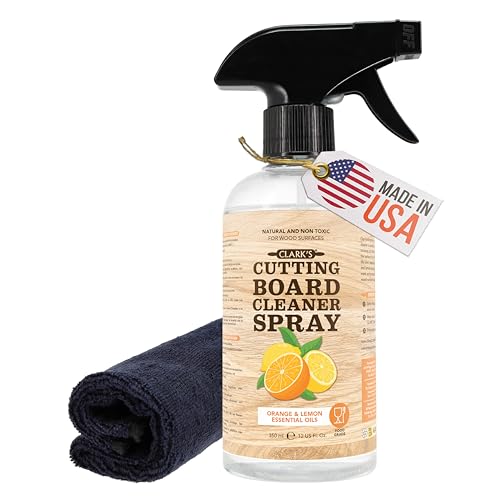
Use a wood-safe toilet seat cleaner spray and a non-abrasive wood cleaner to wipe down surfaces. Dry with a microfiber cloth, then condition the wood with a wood conditioner oil for bathroom fixtures. For future prep, store cleaning solutions in a reusable spray bottle for easy, eco-friendly use.
What You’ll Need
- wood-safe toilet seat cleaner spray
- non-abrasive wood cleaner for bathroom surfaces
- microfiber cloth for wood furniture cleaning
- wood conditioner oil for bathroom fixtures
- reusable spray bottle for bathroom cleaning solutions


Before You Start
Clear the area and ensure the toilet is not in use. Ventilate the bathroom if possible. Place a towel on the nearby floor to catch any drips. Test cleaners on a small, inconspicuous area to confirm no discoloration or dulling occurs. Time estimate: 5–10 minutes for a standard seat, plus 5 minutes for conditioning.
Step-By-Step: How To Clean A Wooden Toilet Seat
- Remove or lift the toilet seat to access all surfaces more easily.
- Dust off the seat with a dry microfiber cloth to remove loose debris.
- Apply a light mist of wood-safe toilet seat cleaner spray to the surface.
- Wipe the seat with a clean microfiber cloth, using gentle, circular motions to lift grime.
- For stubborn stains, apply a small amount of non-abrasive wood cleaner for bathroom surfaces and rub softly.
- Rinse the cloth and wipe again to remove any cleaner residue; ensure no excess moisture remains near hinges.
- Dry the seat completely with a dry microfiber cloth to prevent water intrusion into wood pores.
- Apply a thin coat of wood conditioner oil for bathroom fixtures to protect and nourish the wood finish.
- Reattach the seat if you removed it, and wipe the hinges and surrounding area to remove any lingering cleaner.
- Store cleaning solutions in a reusable spray bottle for easy future use and less plastic waste.
- Inspect regularly for wear, and repeat cleaning every week or as needed to maintain finish.
Troubleshooting
| Symptom | Likely Cause | Fix | Prevention |
|---|---|---|---|
| Finish looks dull after cleaning | Overuse of cleaner or harsh chemical | Switch to wood-safe cleaner and use light, infrequent applications | Always test first; dilute cleaners for wood surfaces |
| Water spots or cloudy residue | Residual cleaner or moisture | Wipe with a dry microfiber cloth until completely dry | Wipe promptly after cleaning |
| Seating feels sticky | Residue buildup in grooves | Spot-clean with non-abrasive cleaner and microfiber brush | Clean regularly to prevent buildup |
| Hinges squeak after cleaning | Moisture on metal parts | Dry thoroughly and apply a small amount of appropriate lubricant if needed | Avoid exposing hinges to standing moisture |
Common Mistakes
- Using abrasive cleaners or scouring pads on wood surfaces, which can scratch the finish.
- Letting moisture linger around hinges and edges where wood can swell.
- Skipping a surface test before applying new cleaners or conditioners.
- Overdoing conditioner oil, which can leave a greasy film or attract dust.
By avoiding these missteps, the wooden seat maintains its appearance and durability longer.
Tips For Best Results
- Pair a wood-safe cleaner with a microfiber cloth for best lifting power without scratching.
- Use a reusable spray bottle to mix mild cleaners and reduce plastic waste.
- Apply conditioner oil sparingly; a little goes a long way for bathroom wood finishes.
- Schedule a quick weekly wipe-down to prevent grime buildup and preserve the wood’s sheen.
Call A Professional
Contact a professional if the wood shows signs of deep cracking, water damage, or persistent staining that refuses standard cleaning. Significant finish deterioration, delamination, or hinge damage also warrants expert assessment to avoid further harm.
FAQ
Can I use regular wood furniture cleaner on a wooden toilet seat?
Choose a wood-safe cleaner formulated for bathroom surfaces to avoid residue and potential damage.
Is it safe to use water on a wooden toilet seat?
Lightly dampen your cloth rather than soaking the seat; excess moisture can cause swelling over time.
How often should I condition the wood seat?
Condition every few months or whenever the finish looks dull to keep the surface nourished.
What should I do about stubborn stains?
Apply a small amount of non-abrasive wood cleaner and rub gently with a microfiber cloth, then rinse and dry.
Buying Guide
When selecting products for cleaning and caring for wooden bathroom fixtures, consider the following factors to optimize results and protect wood finishes.
Size and compatibility: Choose a conditioner oil and cleaners that work well with typical bathroom wood finishes. Ensure the products are suitable for sealed wood and do not require excessive contact time.
Noise level and energy efficiency are less relevant for cleaning tasks, but selecting spray bottles and applicators that operate smoothly reduces effort and spillage. Look for ergonomic, refillable options to minimize waste.
Controls and ease of use: Reusable spray bottles with fine mist controls allow even application of cleaners. A dedicated microfiber cloth or cloth pack helps achieve consistent cleaning results.
Placement and storage: Store cleaning products away from heat sources and children. Keep the microfiber cloths accessible near the bathroom sink or cabinet for quick touch-ups.
Safety and environmental impact: Prioritize products labeled wood-safe and non-abrasive. Refillable bottles and environmentally friendly formulas reduce waste and exposure to harsh chemicals.