Whiteboards can accumulate stubborn marker stains over time, especially when old or faded prints linger. This guide outlines practical, step-by-step methods to remove ghosting and restore a clean writing surface using common cleaning tools available in American households and offices.
Quick Answer
Start with gentle cloths and cleaner, then progress to alcohol if stains persist. Use light, circular motions and finish with a dry wipe to reveal a brighter surface.
What You’ll Need
- Dry erase board cleaner spray
- Microfiber cloth for whiteboard cleaning
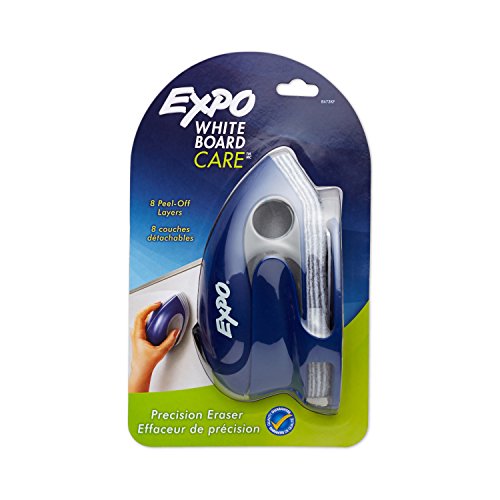
- Whiteboard eraser replacement pad
- Isopropyl alcohol 70% for whiteboard cleaning
- Streak-free dry erase board wipes


Before You Start
Choose a well-ventilated area and protect nearby surfaces from spray cleaners. Test any product on a small, inconspicuous area first. Expect to spend 5–20 minutes depending on stain severity. Important: avoid abrasive pads that can scratch the surface, and never mix cleaners with bleach or ammonia-based products.
Step-By-Step: How To Clean A Whiteboard With Old Marker
- Dry wand technique: Use a dry erase board eraser replacement pad to remove as much ghosting as possible with firm, even strokes.
- Apply cleaner sparingly: Lightly spray a dry erase board cleaner spray onto the microfiber cloth, not directly onto the board, to prevent oversaturation.
- Wipe in circles: Gently wipe the surface in circular motions to lift dried ink without pushing it into the surface.
- Alternate cloths: Use a clean microfiber cloth for a second pass to remove loosened ink and residue.
- Isopropyl touch-up: If stains remain, dampen the cloth with 70% isopropyl alcohol and wipe the affected area in small sections.
- Rinse and dry: Wipe again with a fresh microfiber cloth to remove any alcohol residue, then finish with a streak-free wipe.
- Stubborn marks: For stubborn traces, repeat the alcohol step but let the cloth sit briefly on the stain before wiping away.
- Final check: Inspect under good lighting and do a final wipe with a streak-free dry erase board wipe for a glossy finish.
Troubleshooting
| Symptom | Likely Cause | Fix | Prevention |
|---|---|---|---|
| Faint ghosting after cleaning | Ink residue left behind | Repeat steps 3–5 with clean cloths | Clean regularly to prevent buildup |
| Streaks or smudges | Over-wetting or uneven wipe | Use a dry wipe with streak-free cloth | Use a light hand and dry cloth |
| Hard-to-remove dark marks | Old, permanent ink or non-compatible markers | Isopropyl alcohol on small area; test first | Avoid using permanent markers |
| Surface feels rough after cleaning | Abrasive cleaner or pad used | Switch to gentle microfiber and cleaner | Stick to non-abrasive methods |
Common Mistakes
- Rubbing too hard, which can scratch the surface
- Using paper towels that shed fibers onto the board
- Applying too much cleaner, leading to residue buildup
- Relying on a single method for all stains
- Neglecting to dry the board after cleaning
Tips For Best Results
- Establish a routine cleaning schedule to prevent ghosting buildup.
- Keep a dedicated microfiber cloth for whiteboard work to avoid cross-contamination with other cleaners.
- Store alcohol and cleaners away from heat sources and out of reach of children.
- Label a separate area for heavily used boards to plan deeper cleanings.
- If streaks persist, perform a light wipe with streak-free wipes to restore gloss.
Call A Professional
Call a professional if the board shows deep, permanent staining or if the surface is delaminating, peeling, or has severe scratches that impair writing clarity. Seek help when a board no longer erases cleanly after multiple cleaning attempts, or if the frame shows water damage or corrosion.
FAQ
Can I use everyday household cleaners on a whiteboard?
Yes, but many household cleaners can leave residue. Prefer purpose-made dry erase cleaners or isopropyl alcohol for stubborn marks.
Is isopropyl alcohol safe for all whiteboards?
Most whiteboards tolerate 70% isopropyl alcohol, but test on a small area first to avoid possible surface damage.
How often should I clean a frequently used whiteboard?
Clean at least once weekly, with a deeper wipe monthly to minimize ghosting.
What should I do with persistent ghosting on old boards?
Try a combination of cleaner, alcohol, and a new eraser replacement pad to restore writing feel and surface brightness.
Can I prevent ghosting by choosing different markers?
Light, non-permanent markers erase more cleanly; avoid low-quality markers that ghost easily.
Buying Guide
When selecting cleaning supplies for whiteboards, consider size and surface type, cleaning power, and ease of use.
Key factors to compare:
- Dry erase board cleaner spray vs streak-free wipes: sprays offer deep cleaning; wipes provide quick touch-ups.
- Microfiber cloths: choose lint-free and plush for better ink pickup.
- Isopropyl alcohol 70%: effective for tough stains but should be used with care on delicate surfaces.
- Replacement eraser pads: fresh pads improve erasing efficiency on older boards.
- Surface compatibility: verify cleaner compatibility with your specific board brand and finish.
Placement matters: store cleaners away from heat and chemicals, keep a dedicated cleaning kit near the board, and label items for quick access. Consider your board size and how often it’s cleaned when choosing a comprehensive kit versus individual items. If multiple boards exist in a space, uniform cleaning products promote consistent results.