White cutting boards are favored for their bright surface and clear visibility of stains and residue. Proper cleaning not only extends the board’s life but also helps prevent cross-contamination in the kitchen. This guide provides practical steps, safety notes, and tool recommendations to keep a white cutting board hygienic and ready for daily use.
Quick Answer
For fast results: rinse with warm water, scrub with a non-scratch brush or sponge, treat with a food-grade sanitizer, rinse again, and air-dry completely. Use a microfiber cloth for finish wipe-downs and store in a dry area to avoid moisture buildup.
What You’ll Need
- Cutting board cleaning brush non-scratch bristles
- Plastic cutting board scraper
- Non-scratch sponge for cutting boards
- Microfiber cloth for cleaning cutting boards
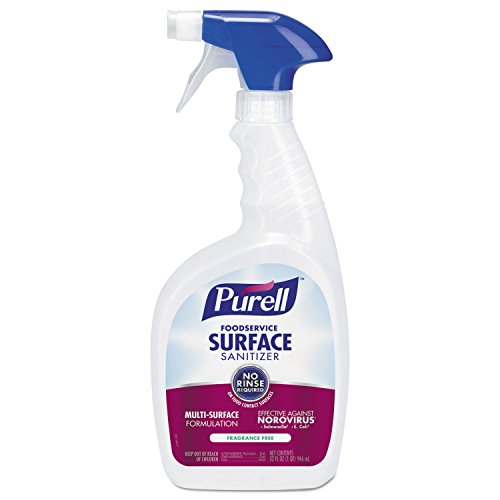
- Food-grade cutting board sanitizer spray


Before You Start
Prepare a clean sink or basin with warm, soapy water. Move any utensils and foods away from the board to prevent cross-contact. Always rinse thoroughly to remove soap residue, then dry with a clean towel or air-dry on a rack. For white boards, avoid harsh bleach unless specified by the manufacturer, as repeated exposure can wear the surface. Plan about 10–20 minutes for a deep clean, or 2–5 minutes for a quick refresh.
Step-By-Step: How To Clean A White Cutting Board
- Rinse the board under warm running water to loosen visible debris and oils.
- Apply a small amount of dish soap and scrub with the non-scratch sponge for cutting boards, focusing on the surface and any knife-scored areas.
- Use the plastic cutting board scraper to lift stubborn bits from grooves and seams, then rinse again.
- Spray the board with food-grade cutting board sanitizer spray and let it sit for the recommended contact time on the label.
- Wipe down with a microfiber cloth for cleaning cutting boards to remove sanitizer residue and lift oils.
- Rinse once more with clean water and inspect for remaining stains; repeat treatment if needed on stubborn spots such as coffee or tomato stains.
- Dry thoroughly with a clean towel or place the board upright on a rack to air-dry completely before next use.
- If odors persist, sprinkle a tiny amount of baking soda, scrub lightly, rinse, and dry; this is especially helpful for boards used for high-odor foods.
- Periodically sanitize the entire board by wiping with a cloth dampened with a mixture of water and a few drops of sanitizer, followed by a final rinse and dry.
- Store in a well-ventilated area away from moisture and heat sources to prevent warping and mold growth.
- For heavy staining, consider replacing the board or using a gentle food-safe stain remover designed for cutting boards.
- After each use, promptly wash and dry to minimize bacteria buildup and keep the board looking pristine.
Troubleshooting
| Symptom | Likely Cause | Fix | Prevention |
|---|---|---|---|
| Persistent odor | Food oils absorbed into the surface | Repeat cleaning with sanitizer; use baking soda paste if needed | Clean promptly after use; store dry |
| Stains that won’t fade | Deep staining from strong pigments | Apply a food-safe stain remover or baking soda paste; rinse | Wash soon after using heavily colored foods |
| Board warping | Excess moisture or overly aggressive drying | Ensure thorough drying; store flat or upright in a dry area | Avoid soaking and high humidity storage |
| Grits or tiny scratches | Grinding from hard brushes | Switch to non-scratch tools; scrub gently | Use soft scrubbers and avoid abrasive pads |
Common Mistakes
- Using abrasive cleaners or steel wool on a white cutting board, which can scratch and harbor bacteria.
- Leaving the board soaking in water, which can warp plastic boards.
- Not drying completely, leading to mold or mildew growth in grooves.
- Mixing bleach with some cleaners; follow product labels to avoid chemical reactions.
Maintaining a clean white cutting board involves routine, careful cleaning and quick action when stains appear. A consistent routine reduces cross-contamination and preserves the board’s surface.
Tips For Best Results
- Use a non-scratch sponge for cutting boards for daily cleaning to prevent micro-scratches that trap bacteria.
- Keep a dedicated sanitizer spray for cutting boards to avoid cross-use with other surfaces.
- Rinse and dry promptly after each meal prep, especially when handling raw meats or fish.
- Rotate boards if you use multiple boards for different food groups to minimize cross-contact.
- Consider a light mineral oil or board conditioner for wooden boards; not applicable to plastic boards but beneficial for wooden variants.
Call A Professional
Seek professional advice if the board shows deep cracks, warping that affects stability, or persistent contamination despite thorough cleaning. If you frequently experience odors despite cleaning, a food safety expert or the manufacturer’s support line can provide guidance on whether a replacement is necessary.
FAQ
Can I clean a white cutting board with bleach?
Bleach can be used on some plastic cutting boards in diluted form, but always follow the manufacturer’s instructions. Rinse thoroughly after use to remove any residue.
How often should I sanitize my white cutting board?
Sanitize after heavy use or when cutting raw meat, poultry, or seafood. For everyday use, a quick rinse and scrub may suffice, with a full sanitizing routine weekly or as needed.
What’s the safest way to remove tough stains?
Gentle non-scratch scrubbing with a baking soda paste or a dedicated stain remover designed for cutting boards is usually effective without damaging the surface.
Can I use a dishwasher for plastic cutting boards?
Many plastic boards are dishwasher safe on the top rack, but check the manufacturer’s guidance. Heat can warp some boards, so air-drying is often safer.
Should I oil my white cutting board?
Oiling is generally reserved for wooden boards; plastic white boards do not require oil. For wooden boards, a food-grade oil can help maintain the surface.
What’s the best way to store a cutting board after cleaning?
Store in a dry, well-ventilated area. Stand the board on edge or upright to promote airflow and reduce moisture buildup.
Buying Guide
The right cutting board cleaner routine starts with choosing compatible tools and maintaining the surface. When evaluating products and accessories, consider size, material, and compatibility with kitchen workflows. How loudly should a board dry in a busy kitchen? Look for items that fit your space and cleaning cadence. Here are key buying factors to weigh:
- <bSize and dimensions: Choose based on available counter space and prep style. A larger board can handle bulk chopping, while a compact board fits tight spaces.
- <bMaterial compatibility: Plastic boards pair well with non-scratch brushes and food-grade sanitizers; wooden boards may require different care.
- <bCleaning tools: Non-scratch sponges, microfiber cloths, and plastic scrapers are ideal for maintaining a smooth surface without scratches.
- <bSanitizers: Opt for food-grade sprays that are easy to apply and rinse, minimizing residue and odor.
- <bMaintenance frequency: Consider your typical cooking routine to determine how often you’ll sanitize and deep-clean.
- <bStorage and placement: Keep boards in a dry, ventilated area to prevent microbial growth and warping.
- <bBudget and durability: A simple, durable setup often provides the best long-term value for everyday kitchen use.
Would you like recommendations tailored to your kitchen size and typical meals? A well-matched toolkit can simplify daily cleaning and extend the life of your white cutting board.