White backpacks look fresh and stylish, but keeping them clean can feel daunting. This guide offers a practical, step-by-step approach using common cleaning tools and gentle methods suited to most fabric backpacks. Readers will learn how to treat stains, remove odors, and maintain the backpack’s brightness without damaging fabric.
Quick Answer
Quick Method: Brush off loose dirt, spot-clean with a gentle fabric cleaner, and use a microfiber cloth for final touchups. For stubborn stains, apply a fabric stain remover pen and rinse with a gentle spray. Finish by air-drying away from direct heat.
What You’ll Need
- Soft bristle brush for fabric backpack cleaning
- Microfiber cleaning cloths for backpacks
- Fabric stain remover pen for white backpack
- Gentle fabric cleaner spray for backpacks
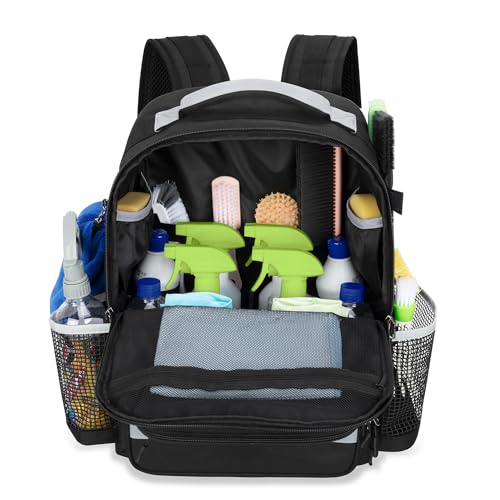
- Backpack cleaning kit with brushes and stain remover


Before You Start
Inspect the backpack for delicate areas such as logos, zippers, or reinforced seams. Test cleaners on a small, inconspicuous spot before full application. Use cool or lukewarm water to prevent color transfer or fabric damage. Allow ample time for air-drying in a well-ventilated space. Avoid bleach and high heat, which can discolor or weaken fabric.
Estimated prep time: 10–15 minutes. Cleaning time: 20–40 minutes depending on stains. Drying time: several hours to overnight.
Step-By-Step: How To Clean A White Backpack
- Empty and inspect: Remove all items, unzip pockets, and check for stains on interior fabric. This prevents dirt from spreading during cleaning.
- Dry brush: Use the soft bristle brush to dislodge surface dirt from the exterior and interior fabrics without abrading fibers.
- Spot treat: Apply a fabric stain remover pen to any visible stains. Gently blot (don’t rub aggressively) to lift the stain.
- Mix a gentle cleaner: Lightly spray a gentle fabric cleaner spray onto a microfiber cloth rather than directly onto the backpack to avoid oversaturation.
- Wipe and blot: Wipe the backpack with the damp cloth, focusing on stained areas. Use a second dry microfiber cloth to blot and remove excess moisture.
- Edges and seams: Pay extra attention to seams, pockets, and straps. Use the brush to dislodge dirt from stitching and then wipe away.
- Rinse with minimal moisture: If needed, lightly wipe with a barely damp cloth to remove cleaner residue. Do not soak the fabric.
- Drying: Place the backpack in a well-ventilated area away from direct sunlight to prevent fading. Use a fan to speed up drying if needed.
- Check and repeat: Once dry, re-inspect for any remaining stains and repeat steps if necessary.
- Odor control: If odors remain, sprinkle a small amount of baking soda inside the main compartment and let it sit overnight, then vacuum or shake out.
- Final polish: Lightly brush the exterior once dry to restore the fabric’s nap and brightness.
Troubleshooting
| Symptom | Likely Cause | Fix | Prevention |
|---|---|---|---|
| Stains reappear after cleaning | Residual stain or improper drying | Spot-treat with stain remover, ensure complete drying before storage | Clean promptly; avoid leaving wet fabric |
| Colors transfer to white areas | Bleed from accessories or colorfastness issues | Test colors on hidden area; separate washing when needed | Wash separately from other colored items |
| Fabric looks dull | A buildup of cleaners or fibers | Light wipe with a fresh microfiber cloth; brush gently | Use minimal cleaner and avoid over-wetting |
| Stiff fabric after drying | Excess detergent residue | Wipe with clean, damp cloth and air-dry | Rinse lightly; avoid heavy detergents |
| Water spots after drying | Uneven drying or mineral deposits | Wipe with a damp cloth and dry evenly | Dry in a shaded area with airflow |
Common Mistakes
- Using harsh bleach or hot water on white fabric
- Soaking the backpack, which can damage internal padding and seams
- Rubbing vigorously, which can abrade fibers and create wear
- Neglecting to dry completely, leading to mildew or odor
Following careful steps helps maintain the backpack’s brightness and extend its life.
Tips For Best Results
- Test all cleaners on a hidden area before applying broadly.
- Use microfiber cloths to trap dirt rather than spreading it.
- Keep zippers closed during cleaning to prevent moisture intrusion into the fabric interior.
- Air-dry in a shaded area to prevent yellowing or fading from sun exposure.
- Store in a clean, dry place to avoid mold growth between uses.
Call A Professional
Seek professional cleaning if the backpack has delicate embroidery, leather accents, or heavy staining that does not respond to home methods. If you notice color bleed onto white fabric or the structure of the bag is compromised, stop cleaning and consult a specialist.
FAQ
Can I use a regular home detergent on a white fabric backpack?
Yes, but prefer a gentle fabric cleaner spray designed for backpacks to avoid fabric damage and color loss.
How do I remove ink stains from a white backpack?
Use a targeted stain remover pen, apply to the ink stain, and blot gently with a microfiber cloth.
Is it okay to put my backpack in the washing machine?
Check the care label first. If machine washing is advised, use a gentle cycle with cold water and a mild detergent.
How can I prevent future stains on a white backpack?
Apply a light fabric protective spray designed for fabrics, and store away from foods and liquids that could spill.
What should I do about stubborn odors?
Ventilate the bag and use baking soda inside the main compartment overnight, then shake out before use.
Buying Guide
When choosing cleaning tools for a white backpack, consider size, material compatibility, and ease of use. For most fabrics, a lightweight soft bristle brush for fabric backpack cleaning paired with microfiber cleaning cloths for backpacks provides effective, gentle cleaning. A fabric stain remover pen for white backpack offers targeted treatment without soaking. For bulk cleaning, a backpack cleaning kit with brushes and stain remover bundles convenience in one package.
Key buying factors include:
- <bSize and weight: Choose compact tools that are easy to handle and store.
- <bNoise level: Manual brushes and cloths are quiet and practical for indoors.
- <bEnergy efficiency: Manual cleaning tools require no power, boosting efficiency and eco-friendliness.
- <bControls: Simple spray mechanisms and retractable brushes reduce mess.
- <bPlacement: Store cleaning kits in a cool, dry area away from sunlight to preserve materials.
In practice, a basic kit with a soft bristle brush, microfiber cloths, and a gentle fabric cleaner spray covers most routine needs. For tough stains, a fabric stain remover pen adds focused capability without heavy soaking. Consider upgrading to a kit that includes a stain remover pen for comprehensive handling of common backpack stains.