Turkish rugs, including kilims and wool varieties, bring durable beauty to homes. Proper cleaning preserves color, texture, and structural integrity. This guide provides practical steps, safe products, and common-sense tips tailored to Turk ish wool rugs and kilims commonly found in American households.
Quick Answer
For most spills and everyday dirt, blot gently with a clean cloth, use a wool-safe cleaning routine, and avoid excessive moisture. For stubborn stains, try a dedicated wool rug cleaner or stain remover spray designed for Turkish rugs, test on a hidden area first, and air-dry thoroughly.
What You’ll Need
- turkish wool rug cleaning kit
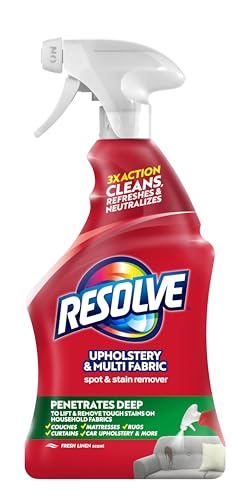
- wool rug stain remover spray Turkish rug
- gentle wash detergent for wool rugs Turkish
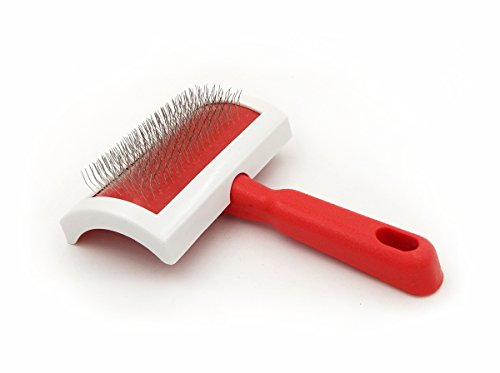
- turkish kilim rug spot cleaner brush
- handheld carpet cleaner for wool rugs

Before You Start
Prepare a clean, well-lit workspace and place the rug flat on a protected surface. Brush away loose dirt with a soft brush before damp cleaning. Test any cleaning product on a hidden corner to ensure colors don’t bleed. Avoid aggressive scrubbing that can fray wool fibers. For large or antique Turkish rugs, consider professional cleaning every 1–2 years and store rugs rolled with acid-free paper between uses.
Step-By-Step: How To Clean A Turkish Rug
- Identify rug type and any care labels. Wool, cotton, and silk require different approaches; Turkish wool and kilim rugs usually tolerate gentle methods better than delicate fibers.
- Vacuum with a brush attachment along the nap to remove loose soil. Avoid vacuum beater bars that can snag fibers.
- Address stains promptly. Blot—do not rub—a liquid spill with a clean cloth to absorb as much as possible.
- Prepare a mild cleaning solution using gentle wash detergent for wool rugs Turkish and cool water. Mix only as directed on the product label.
- Test a small inconspicuous area. If color appears to run, stop and seek professional help. If safe, apply a small amount of solution with a soft cloth, blotting from the outside toward the center.
- Rinse by blotting with clean, cool water until soap residue is gone. Don’t saturate the rug; excessive moisture can cause mildew and warp the weave.
- For stubborn stains, use wool rug stain remover spray Turkish rug sparingly, following the product’s instructions and a test patch.
- Dry the rug flat or hanging in a well-ventilated area. Avoid direct sun that can fade dyes. Use a fan to speed up drying if needed.
- Brush the wool fibers gently once dry to restore the pile’s direction and softness.
- Inspect and repeat only if necessary. Persistent odors or stains may require professional cleaning.
- Maintain regular upkeep with light vacuuming and prompt spill management to extend rug life.
Troubleshooting
| Symptom | Likely Cause | Fix | Prevention |
|---|---|---|---|
| Your rug has a musty odor after cleaning | Moisture trapped in the fibers | Re-dry in a well-ventilated area; use a dehumidifier | Dry thoroughly after each cleaning; avoid pooling moisture |
| Color bleed after cleaning | Overly aggressive cleaning or dye instability | Rinse completely; test colorfastness before future cleans | Perform colorfast tests; use color-stable cleaning products |
| Fuzzy or frayed edges | Over-scrubbing or rough tools | Switch to soft brushes; limit agitation | Use gentle tools and proper technique |
| Stubborn stain persists | Deep-set or oil-based stain | Apply stain remover spray Turkish with care; consider professional help for tough cases | Address stains promptly; avoid delay |
Common Mistakes
- Using hot water or heat-setting cleaners on wool fibers
- Saturating the rug with water, which can cause mold or backing damage
- Scrubbing aggressively, which raises wool fibers and abrades dyes
- Ignoring colorfast tests or applying incompatible cleaners
Staying aware of these pitfalls helps protect the rug’s color, texture, and structure over time.
Tips For Best Results
- Always start with dry cleaning and light vacuuming before any wet method
- Use a dedicated wool rug cleaner or spray designed for Turkish rugs when needed
- Work from the outside of the stain toward the center to avoid spreading
- Maintain a gentle pace and minimal moisture to preserve fibers
- Store rugs rolled, not folded, to prevent creases and damage
Call A Professional
Consider a pro if the rug is antique, handwoven, or has severe stains, mold, or dye bleeding. Stop and seek help if there is significant color transfer, backing separation, or persistent odor despite cleaning efforts. Trusted professionals can assess fiber stability, offer specialized cleaning agents, and perform delicate restoration if needed.
FAQ
Can I use regular carpet cleaner on a Turkish rug?
Only if the product is labeled safe for wool and Turkish rugs; otherwise, use wool-specific cleaners to protect fibers and dyes.
How often should a Turkish wool rug be cleaned?
Regular light upkeep is recommended; deep cleans every 1–2 years, or more often in high-traffic areas.
Is it safe to use a handheld carpet cleaner on a wool rug?
Yes, with caution. Use a gentle setting and wool-safe cleaning solution, and avoid soaking the rug.
What if colors run after cleaning?
Rinse thoroughly, blot again, and test colorfastness on a hidden area. If bleeding continues, consult a professional.
Are kilim rugs more delicate than pile rugs?
Kilim rugs are flat-weave and can handle gentle cleaning, but avoid harsh scrubbing and excessive moisture to prevent distortion.
Should I dry turkish rugs in direct sunlight?
Direct sun can fade dyes; dry in a shaded, well-ventilated area.
Buying Guide
When selecting cleaning tools for Turkish rugs, consider size, materials, and ease of use. A turkish wool rug cleaning kit tailored to wool fibers can simplify routine maintenance. A wool rug stain remover spray Turkish rug offers spot treatment without over-wetting. For stubborn spots, a turkish kilim rug spot cleaner brush helps without damaging the flat-weave. A handheld carpet cleaner for wool rugs provides gentle extraction for larger areas. Look for products labeled safe for wool, colorfast dyes, and low-suds formulas to reduce residue. When evaluating options, consider the rug’s size, weave, and typical soil level to determine how robust a kit or spray needs to be. Always test new products on a hidden area first, and follow care labels closely. For households with multiple Turkish rugs, invest in a coordinated cleaning kit to streamline maintenance and protect rug longevity. Consider storage solutions that prevent creasing and damage when not in use. If you own antique or highly valuable pieces, professional cleaning remains a prudent choice to preserve history and texture.