Maintaining a gleaming stainless steel BBQ hood not only improves appearance but also helps protect the grill from corrosion and buildup. This practical guide offers a step-by-step method using common tools and safe cleaners to restore shine without scratching the surface.
The following instructions focus on household technique suitable for most American backyards and patio grills. Readers will find actionable steps, safety reminders, and product suggestions that align with typical stainless steel grill care routines.
Quick Answer
To clean a stainless steel BBQ hood, remove loose debris, apply a food-grade degreaser spray, wipe with a microfiber cloth, scrub with a non-scratch pad if needed, rinse with clean water, and dry with a soft cloth. Polish with a dedicated grill hood stainless steel polish for a lasting gleam.
What You’ll Need
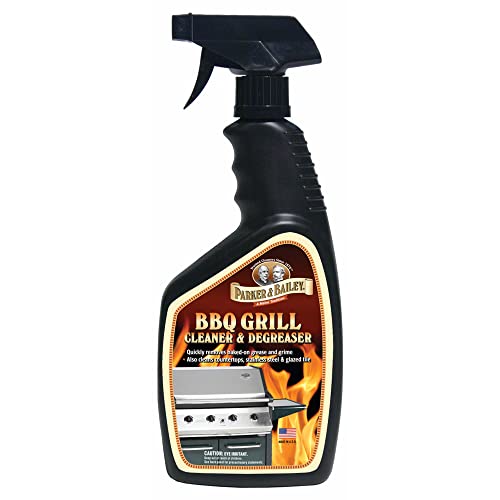
- Stainless steel grill hood cleaner spray
- Food-grade degreaser spray for stainless steel grills
- Microfiber cloth for stainless steel cleaning grill hood
- Non-scratch stainless steel scrub pad for grills
- Barbecue grill hood stainless steel polish


Before You Start
Prepare a clean, well-ventilated workspace and ensure the grill is cool before cleaning. Cover nearby surfaces to protect them from cleaner sprays. Read product labels for safe contact with skin and eyes. Plan for a 20–40 minute cleaning session, depending on hood size and buildup. Important safety note: never use abrasive steel wool on visible stainless steel finishes as it can scratch the surface.
Step-By-Step: How To Clean A Stainless Steel BBQ Hood
- Turn off the grill and unplug any electrical components or igniters. Remove loose dirt with a dry microfiber cloth.
- Apply a light coat of stainless steel grill hood cleaner spray evenly across the hood, focusing on greasy spots near burners and handles.
- Let the cleaner sit for 1–2 minutes to break down grease, then wipe with a damp microfiber cloth from top to bottom to lift residue.
- For stubborn marks, use a non-scratch stainless steel scrub pad for grills gently in the direction of the grain. Avoid circular scrubbing that can dull the finish.
- Rinse the hood with a separate damp cloth or rinse bottle, ensuring all cleaner is removed. Dry immediately with a clean, dry microfiber cloth to prevent water spots.
- Apply a thin layer of barbecue grill hood stainless steel polish following the grain to restore shine and add a protective layer against future splatter.
- Wipe again with a fresh microfiber cloth to remove any excess polish and reveal a uniform satin or mirror-like finish.
- Reattach any removed components and perform a quick heat test by lighting the grill briefly to evaporate any remaining solvent residues.
- Inspect for any missed areas, repeating steps as needed. Store cleaners and tools out of reach of children.
- Document your routine so future cleanings take similar time and effort, keeping the hood consistently gleaming.
Troubleshooting
| Symptom | Likely Cause | Fix | Prevention |
|---|---|---|---|
| Streaks after wiping | Residue or improper drying | Wipe with a dry microfiber cloth in the direction of the grain | Dry thoroughly after every cleaning session |
| Scratches appearing | Using abrasive pads or failing to follow grain direction | Switch to a non-scratch pad and work with the grain | Test cleaner on a small area first |
| Dull finish | Overuse of cleaner or insufficient polish | Apply a light coat of grill hood polish and buff | Use polish sparingly and regularly |
| Visible oil lines | Grease buildup near burners | Target with degreaser spray and proper wiping | Clean after heavy grilling sessions |
Common Mistakes
- Over-wetting the hood and leaving water spots
- Using steel wool or harsh pads on stainless steel
- Rushing the drying process, which causes streaks
- Neglecting the corners and underside areas
- Choosing cleaners with wax or silicone that dulls the finish over time
Tips For Best Results
- Always clean in the direction of the grain for a smoother finish.
- Work in a shaded area to prevent rapid drying that can cause streaks.
- Keep a dedicated set of microfiber cloths for stainless steel to avoid cross-contamination with other surfaces.
- Test new cleaners on a small, inconspicuous spot before full use.
- Schedule regular light cleanings to reduce heavy buildup and maintain shine.
Call A Professional
If the hood shows deep pitting, severe corrosion, or persistent discoloration despite proper cleaning, consider consulting a grill service professional. Seek urgent help if there is any sign of structural damage or if the appliance is under warranty and specific cleaning guidelines must be followed to avoid voiding coverage.
FAQ
Can I use vinegar to clean a stainless steel BBQ hood?
Vinegar can be used in small amounts for light cleaning, but it is not a substitute for purpose-made degreasers or polishes designed for grills. Always test first and avoid prolonged exposure on protective finishes.
Is it safe to use a spray degreaser on the hood?
Yes, food-grade degreaser sprays are designed for stainless steel surfaces and your grill hood. Follow label directions and rinse away residue thoroughly.
How often should I clean the grill hood?
For casual use, a monthly wipe-down is usually sufficient. After heavy grilling or when buildup is noticeable, perform a deeper clean as described above.
What if my hood has discolored patches after cleaning?
Discolored patches may indicate heat damage or mineral deposits. Re-clean with a gentle degreaser, then apply bar-grade polish. If patches persist, a professional assessment may be needed.
Buying Guide
When choosing cleaning products for a stainless steel BBQ hood, consider size, finish, and ease of use. Factors like the hood’s material grade and existing protective coatings influence which products perform best. Consumers should compare the following aspects:
- Size and coverage: Look for sprays with a spray pattern that suits large hoods and tight corners.
- Noise level and application: Some spray bottles and cloths are quiet and easy to handle, reducing spill risk.
- Energy efficiency and environmental impact: Opt for low-VOC, food-safe formulas when possible.
- Controls and usability: Microfiber cloths paired with no-scratch pads often yield the best finish.
- Placement and storage: Keep cleaning supplies away from heat sources and children; store in a cool, dry place.
- Results and maintenance: A dedicated grill hood polish can prolong the shine and create a protective layer.
In practice, choose a cohesive kit that includes a stainless steel grill hood cleaner spray, a food-grade degreaser, a microfiber cloth, and a non-scratch pad, paired with a stainless steel polish. This combination covers cleaning, degreasing, scrubbing, and polishing in one workflow, simplifying maintenance and helping the hood look like new longer.