Cleaning a rug by hand is a practical option for delicate fibers, limited repairs, or situations where machine cleaning isn’t ideal. This guide outlines a safe, effective method for refreshing area rugs using common tools and products, with a focus on control, thorough rinsing, and stain removal.
Following a simple, repeatable process helps extend rug life while removing soils, odors, and spots. The steps below emphasize careful handling of fibers, spot treatment, and proper drying to prevent mold and shrinkage.
Quick Answer
Use a mild cleaning solution, a hand brushing technique, and thorough rinsing. Work in manageable sections, blot excess moisture, and dry completely before placing the rug back on the floor. For tough stains, apply a targeted stain remover and repeat as needed.
What You’ll Need
- manual carpet cleaning brush for area rugs
- handheld rug cleaning brush set
- rug cleaning kit with scrub brush and stain remover
- microfiber rug cleaning towels for hand washing
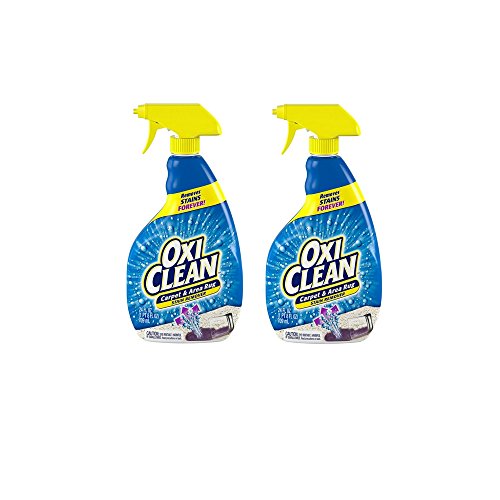
- stain remover spray for area rugs 16 oz


Before You Start
Assess the rug fibers and backing to avoid damage. Read care labels if present; many delicate materials avoid hot water or aggressive scrubbing. Test any cleaner on a small, inconspicuous area first to ensure colorfastness. Have a clean, reachable area for rinsing, and prepare to work in a well-ventilated space. Time estimate: 1–2 hours including drying. Critical cautions: never saturate moisture into the rug pad or floor beneath; avoid bleach on colored fibers; always rinse thoroughly to prevent residue buildup.
Step-By-Step: How To Clean A Rug At Home By Hand
- Move the rug from the floor and place it on a clean, dry surface or a washable mat. Vacuum both sides to remove loose dirt and debris before applying cleaners.
- Prepare cleaning solution in a bucket with mild detergent or a manufacturer-recommended rug cleaner. Dilute according to product instructions and use the gentlest option that works for the fibers.
- Spot treat stains with a targeted stain remover spray. Apply to the stain, let sit briefly, then blot with a microfiber towel. Avoid scrubbing aggressively on delicate fibers.
- Scrub in sections with a soft brush from the handheld rug cleaning brush set, working in the direction of the nap. Use light, even pressure to loosen embedded soil without fraying edges.
- Rinse each area by applying clean water with a damp cloth or sponge, then blot to remove soap residue. Do not oversaturate; excess moisture can lead to mildew or color bleeding.
- Blot excess moisture with microfiber rug cleaning towels for hand washing. Press gently to lift water; avoid rubbing that could distort fibers.
- Repeat as needed for stubborn stains or highly soiled sections, reapplying cleaner and rinsing until the towel shows minimal staining.
- Dry thoroughly by laying the rug flat in a well-ventilated area or hanging it over a railing with even support. Ensure both sides dry completely to prevent mold and odors.
Troubleshooting
| Symptom | Likely Cause | Fix | Prevention |
|---|---|---|---|
| Soap residue remains after rinse | Insufficient rinsing | Rinse again in small sections until water runs clear | Use minimal suds; test cleaner first |
| Streaks or color fading | Over-wetting or harsh cleaner | Rinse with cool water; switch to a milder solution | Perform a colorfast test; avoid bleach |
| Fiber distortion or fraying | Aggressive scrubbing | Switch to softer brush; use gentle strokes | Follow nap direction; avoid heavy pressure |
| Musty smell after cleaning | Incomplete drying | Increase ventilation and extend drying time | Place in a warm, dry area; flip rug halfway through drying |
Common Mistakes
- Using hot water on natural fibers that may shrink or felt
- Soaking the rug—excess moisture can cause backing damage and mold
- Scrubbing aggressively—frays edges and poor nap alignment
- Not testing cleaners on a hidden area before full use
Tips For Best Results
- Work in shaded or indoors areas to control drying conditions and prevent sun fading
- Use a microfiber rug cleaning towels for hand washing to blot moisture without lint transfer
- Maintain a consistent cleaning schedule for high-traffic rugs to reduce dirt buildup
- Rotate the rug periodically to promote even wear and avoid uneven fading
Call A Professional
Consider a professional if the rug is antique, heavily soiled, or damaged by mold, persistent stains, or significant color bleeding. Signs to stop DIY cleaning and seek help include persistent odors after drying, dye transfer to towels, or fibers that remain stiff or distorted after cleaning.
FAQ
Can I clean a rug with only water?
Light cleaning with water can remove surface dust, but most rugs benefit from a gentle detergent designed for textiles or a dedicated rug cleaner.
Is hand cleaning suitable for all rug types?
Most synthetic and tightly woven rugs respond well, while delicate silk, wool hand-knotted, or antique rugs may require specialized care.
How long does it take for a rug to dry?
Drying times vary by fiber and airflow, but plan for 6–24 hours in a well-ventilated area.
Can I use bleach on stains?
Bleach can damage fibers and cause discoloration; use stain removers or color-safe options appropriate for the rug.
What if colors run after cleaning?
Rinse thoroughly and allow to air dry away from direct heat. If color transfer continues, consult a professional.
Should I vacuum before or after cleaning?
Vacuum before cleaning to remove surface dirt; vacuum again after the rug dries to lift the nap and restore texture.
Buying Guide
When choosing tools for hand-cleaning a rug, consider size, fiber type, and the level of soiling. A rug cleaning kit with scrub brush and stain remover provides a balanced combination of agitation and targeted stain treatment. For thorough spot work, a handheld rug cleaning brush set covers various bristle stiffness and cleaning angles. A set of microfiber rug cleaning towels for hand washing ensures effective blotting without leaving lint or fibers behind. Keep a reliable stain remover spray on hand for set-in spots, but always test on a small area first.
Key buying factors include:
- <bSize and fiber compatibility: Rugs vary from synthetic to natural fibers; choose cleaners and brushes appropriate for wool, cotton, jute, or synthetic blends.
- <bNoise and effort: Manual cleaning is quiet and controllable, ideal for apartments or late-evening routines.
- <bEnergy and water use: Hand cleaning uses minimal energy but may require more water for rinsing; plan drainage and drying space accordingly.
- <bControls and ease-of-use: Opt for lightweight brushes and clearly labeled cleaners for straightforward operation.
- <bPlacement and drying: Ensure a spacious, well-ventilated area to promote complete drying and prevent moisture damage to floors.
Would you like help selecting a specific combination of tools based on your rug type and cleaning needs?