Cleaning pans with common household ingredients can restore shine and extend their life without harsh chemicals. This guide walks American cooks through a safe, effective method using baking soda and vinegar, with practical tool recommendations.
Whether tackling everyday residue or stubborn stains, a simple, methodical approach helps protect pan surfaces while removing buildup efficiently.
Quick Answer
Mix baking soda and vinegar to form a gentle foaming cleaning action, apply to the pan, scrub with a suitable tool, rinse thoroughly, and dry to prevent water spots and corrosion.
What You’ll Need
- Stainless steel pan scrub brush
- Non-scratch nylon scrub pad for pans
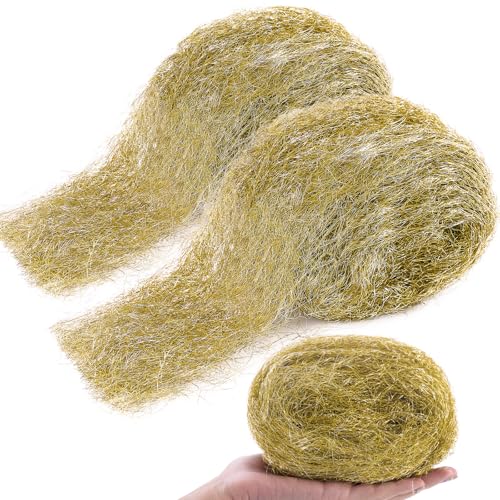
- Brass scouring pad cookware
- Silicone pot scrubber with brush head
- Dishwasher safe silicone pan scraper


Before You Start
Prepare a space with a damp towel or sink mat to catch splashes. Wear gloves if you have sensitive skin and ensure ventilation when using vinegar. Time estimate: 10–20 minutes for typical buildup, longer for heavy stains. Check pan manufacturer guidance for any cautions regarding acidic cleaners.
Step-By-Step: How To Clean A Pan With Baking Soda And Vinegar
- Rinse the pan with warm water to remove loose debris and warm the surface.
- Sprinkle baking soda evenly over the bottom and sides; add a small amount of water to form a paste on stubborn spots.
- Pour vinegar into the pan gently; the mixture will fizz as it reacts with the baking soda.
- Let the fizzing action sit for 5–10 minutes to loosen baked-on residue.
- Use a suitable scrub tool—such as the stainless steel pan scrub brush for metal interiors or non-scratch nylon scrub pad for pans where warranted—to scrub in circular motions.
- Rinse with warm water to wash away the paste and loosened debris; repeat as needed for stubborn areas.
- If residues persist, repeat the paste step or switch to a brass scouring pad for tougher spots, applying light pressure.
- Finish with a thorough hot-water rinse, then dry the pan completely to prevent water spots or rust.
- For a final shine on polished surfaces, wipe with a soft towel or use a mild dish detergent sparingly before the final rinse.
Troubleshooting
| Symptom | Likely Cause | Fix | Prevention |
|---|---|---|---|
| Surface still dull after cleaning | Baked-on residue not fully loosened | Reapply baking soda paste and re-scrub with a non-scratch pad | Pre-warm pan and scrub before residue dries |
| Scratches appear on pan | Using abrasive tool on delicate finish | Switch to non-scratch nylon scrub pad or silicone scrubber | Always match tool to pan material and finish |
| Persistent odor | Residual oil or food buildup | Repeat cleaning cycle with paste and longer soak | Clean promptly after cooking to prevent buildup |
| Foaming stops quickly | Insufficient vinegar or baking soda | Add a small amount of vinegar and more baking soda, re-scrub | Keep supplies handy for quick touch-ups |
Common Mistakes
- Using aggressive metal pads on nonstick or coated surfaces
- Rinsing with cold water immediately after hot cleaning, which can cause warping in some pans
- Over-reliance on vinegar for very stubborn residue without a prior soak
- Letting cleaning agents sit too long on delicate finishes
Tips For Best Results
- Preheat the pan gently before cleaning to help loosen fats and sugars.
- Apply baking soda as a paste for better adhesion on tough spots.
- Alternate tools: switch between a scrub brush, nylon pad, and brass pad depending on pan material.
- Rinse with warm water and dry immediately to prevent mineral deposits and rust.
- For multiple pans, group tasks to minimize overall prep and cleanup time.
Call A Professional
Consider contacting a professional if a pan shows deep pitting, persistent discoloration after multiple cleanings, or if the surface coating appears compromised. Seek expert advice for cookware with specialized finishes or historical value.
FAQ
Can baking soda and vinegar damage nonstick pans?
When used gently and with non-abrasive tools, the combination is safe for most nonstick finishes, but avoid aggressive scrubbing on delicate coatings.
Is it okay to use this method on stainless steel?
Yes. Stainless steel responds well to baking soda paste and vinegar with appropriate tools.
How long should I let the paste sit?
Around 5–10 minutes is usually sufficient for most residues.
What if residue persists after a cleaning cycle?
Repeat the paste, increase soaking time, or switch to a brass scouring pad for targeted spots, ensuring the tool is suitable for the pan’s finish.
Is rinsing with hot water necessary?
Yes, hot water helps dissolve oils and residues more effectively than cold water.
Can I use this method on cast iron?
Cast iron benefits from a different approach; avoid soap and vinegar that can strip seasoning and follow cast iron care guidelines.
What about dishwasher cleaning?
Check manufacturer guidance; some pans tolerate dishwasher cleaning, but many require hand washing to preserve finish.
Buying Guide
Choosing the right cookware-cleaning approach depends on pan material, finish, and maintenance goals. Consider size and surface area to determine how much paste you’ll need and which tools are appropriate for routine care. Noise level and energy use are not major concerns for cleaning tasks, but selecting efficient, durable tools reduces effort and waste. Look for brushes and pads with gentle bristles or non-abrasive surfaces to protect coatings. Placement matters too; store tools within easy reach near the sink for quick, regular maintenance. When evaluating tool sets, prioritize durability, ease of cleaning, and compatibility with the pan finishes you own.