Cleaning a painted deck requires care to protect the finish while removing dirt, mildew, and stains. Proper technique extends the life of the paint and keeps outdoor spaces looking fresh.
Quick Answer
Use a soft brush or plastic deck cleaning brush with built-in scraper to scrub with a deck cleaner concentrate for painted wood surfaces, then rinse with a low pressure power washer 1500 psi on a gentle setting to avoid paint damage. For tough stains, apply a painted deck stain remover and cleaner kit for wood surfaces and scrub before a final rinse.
What You’ll Need
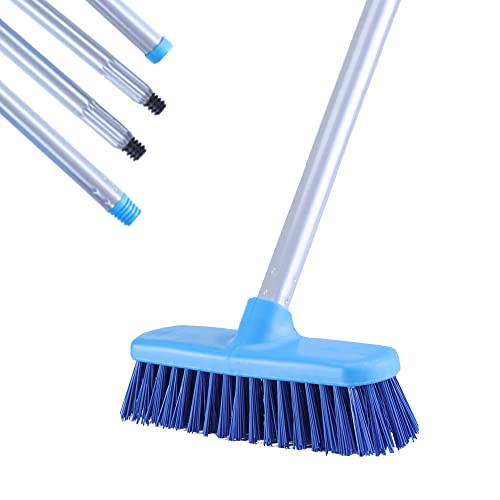
- Soft bristle deck scrub brush extendable handle for painted wood deck
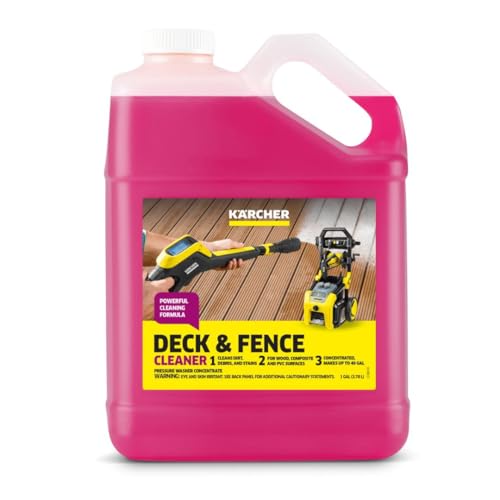
- Deck cleaner concentrate for painted wood surfaces
- Low pressure power washer 1500 psi for painted deck cleaning
- Painted deck stain remover and cleaner kit for wood surfaces
- Plastic deck cleaning brush with built-in scraper for painted decks

Before You Start
Assess the deck for loose boards or peeling paint and repair as needed before cleaning. Protect nearby plants and furniture, and wear eye protection and gloves. A test area on a small, inconspicuous section helps verify that the cleaner won’t damage the finish. Time estimate: 60–120 minutes depending on deck size and staining. Avoid high-pressure washers on painted surfaces, which can strip color or gouge wood.
Step-By-Step: How To Clean A Painted Deck
- Remove furniture and sweep away leaves, dirt, and debris from the deck surface.
- Mix the deck cleaner concentrate with water according to the product label to create a gentle cleaning solution.
- Apply the cleaner evenly using the soft brush or plastic deck cleaning brush with built-in scraper to prevent gouges.
- Let the solution dwell for 5–10 minutes, but do not allow it to dry completely on the surface.
- Scrub stubborn stains with a focused motion, using the scraper edge only where safety allows to avoid lifting paint.
- Rinse thoroughly with a low pressure power washer 1500 psi from top to bottom, maintaining a wide spray pattern and keeping the nozzle at a safe distance.
- For heavily stained areas, apply a painted deck stain remover and cleaner kit for wood surfaces and repeat the scrubbing and rinsing steps.
- Inspect the deck after rinsing; re-clean any spots that feel grimy or have residue.
- Allow the deck to dry completely before moving furniture back or applying a protective dressing if needed.
- If peeling or flaking paint is present, plan for repainting or refinishing after cleaning and drying.
- Store cleaners and tools in a shaded area once the deck is fully dry.
Troubleshooting
| Symptom | Likely Cause | Fix | Prevention |
|---|---|---|---|
| Cloudy or milky water runoff | Overly strong cleaner or wrong dilution | Dilute cleaner per label and rinse thoroughly | Test dilution on a small area first |
| Paint peeling after cleaning | High-pressure washer used too close or solvent damage | Switch to lower pressure and shorter distance | Avoid aggressive pressure and use approved cleaners |
| Dull finish after cleaning | Residue left behind | Rinse again with ample water; wipe with a clean cloth | Rinse until runoff is clear |
| Streaks or uneven color | Uneven application of cleaner | Reapply cleaner evenly and scrub with a consistent motion | Use a uniform technique across the deck |
Common Mistakes
- Using harsh chemicals or bleach that can discolor or damage painted surfaces
- Relying on high-pressure washing on painted decks
- Skipping a test area before full cleaning
- Waiting too long to rinse after applying cleaner
Being methodical and choosing the right tools helps prevent these missteps and preserves the painted finish.
Tips For Best Results
- Work in shade to keep cleaners from drying too quickly and causing streaks.
- Rinse from top to bottom to avoid dirty runoff re-staining cleaned areas.
- Use a long-handled brush to avoid kneeling or bending, especially on large decks.
- Perform a light scrub near railings and stairs where grime accumulates.
- Dry thoroughly before applying any sealant or stain if a repaint is planned.
Call A Professional
If the deck shows extensive peeling, warping, or signs of structural damage, or if cleaning requires chemicals beyond consumer products, consult a licensed contractor. Seek professional help sooner if you notice soft boards, loose nails, or cracking that could indicate deeper issues that paint alone cannot resolve.
FAQ
Can I clean a painted deck with a pressure washer?
Only use a low-pressure setting to avoid damaging the paint and wood.
What cleaning solutions work best for painted decks?
A dedicated deck cleaner concentrate designed for painted wood surfaces is recommended.
Should I rinse immediately after applying cleaner?
Yes, rinse thoroughly to prevent residue that can dull the finish.
How soon can I repaint after cleaning?
Wait until the deck is completely dry, usually 24–48 hours depending on conditions.
Buying Guide
When choosing tools and cleaners for a painted deck, consider size, ease of use, and the finish you want to preserve. Focus on gentleness to prevent damage and compatibility with painted surfaces.
Key buying factors include
- Size of the deck and reach of the cleaning tools, especially extendable handles for larger areas.
- Noise level and comfort of handheld vs. powered options, which affects frequent use.
- Energy efficiency of power washers and the need for continuous operation without overheating.
- Controls that are simple to set, with clear dilution instructions on cleaners.
- Placement of gear for storage—keep cleaners away from children and pets and store on a dry, shaded spot.
For most painted decks, a balanced kit that includes a soft-bristle brush, a reliable deck cleaner concentrate, and a low-pressure washer offers practical versatility. Consider a stain remover kit for persistent spots, and a plastic brush with a built-in scraper for delicate surfaces.