Cleaning a largemouth bass is a common task for anglers who want fresh fillets without extra waste. A clean process yields neater boneless portions and preserves flavor. This guide explains practical steps, safety notes, and the exact tools that help American anglers prepare bass quickly and efficiently.
Quick Answer
Rinse the fish, scale if needed, remove guts, and skin the fillets. Use a non-slip cutting board, a sharp fillet knife, and a deboning knife for clean, even portions. Always wear fish-cleaning gloves and keep a separate trash bin handy for viscera and scales.
What You’ll Need
The following tools are recommended to efficiently clean a largemouth bass. Gather these before you start to speed up the process.
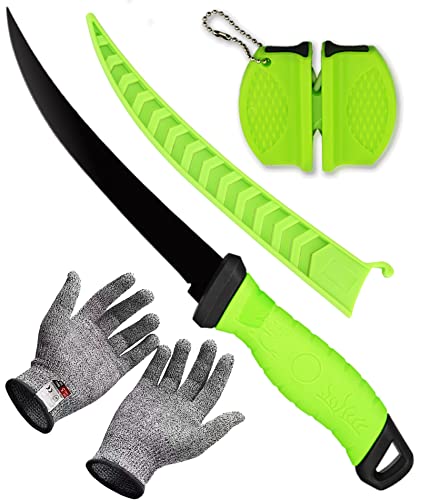
- 7 inch fillet knife for fish stainless steel — for precise filleting
- deboning knife for fish stainless steel — for trace bones and delicate work
- non-slip cutting board for fish filleting — helps control cuts
- fish scaler and scraper stainless steel — to remove scales smoothly
- fish cleaning gloves cut resistant — protection and grip


Before You Start
Prepare a clean workspace near a sink and have a cool water rinse ready. Keep raw fish away from ready-to-eat foods and wash surfaces after cleaning. Time estimate: 10–20 minutes per fish, depending on size and experience. Critical cautions: use sharp knives to minimize slips, never leave a blade unattended, and wear cut-resistant gloves if possible.
Step-By-Step: How To Clean A Largemouth Bass
- Place the bass on a non-slip cutting board for fish filleting and secure it with a damp towel or the board’s grip.
- Rinse the fish under cold water to remove loose scales and debris, then pat dry with a clean towel.
- Using the fish scaler and scraper stainless steel, start at the tail and scrape toward the head to remove scales on both sides.
- With the 7 inch fillet knife for fish stainless steel, make an incision behind the gill cover and along the backbone to separate the head from the fillet area.
- Lift the fillet away from the rib cage, guiding the knife along the backbone until the fillet is fully separated from the skin.
- Flip the fish and repeat on the other side. Pat the fillets dry again to prepare for final trimming.
- Trim off any dark muscle near the skin with the deboning knife for fish stainless steel for a clean, uniform fillet.
- Remove pin bones with careful runs of the deboning knife or a pair of tweezers if needed for a boneless result.
- Rinse fillets lightly, pat dry, and store on ice or in a clean container until cooking.
- Dispose of guts and heads in a sealed bag or compostable bin away from food prep areas.
- Wipe down tools and surfaces with a sanitizer to prevent cross-contamination before moving to cooking.
- Optional: for smoking or certain recipes, trim a bit more to ensure even thickness.
Troubleshooting
| Symptom | Likely Cause | Fix | Prevention |
|---|---|---|---|
| Fillets slide off bone | Rib bones not removed | Run the deboning knife along the bone line and pick out bones | Take time to check for pin bones during trimming |
| Scales remain after scraping | Insufficient scaling pressure or old scales | Re-scrape with firm, even strokes | Scale as soon as possible after catching the fish |
| Fillet misses skin | Knife angle too shallow | Angle knife slightly toward the skin and pull fillet away | Practice maintaining a consistent angle |
| Ragged cuts along backbone | Overly dull knife or rushed steps | Sharpen or replace blades; slow down | Use fresh, sharp blades for clean cuts |
Common Mistakes
- Using a dull knife that tears meat rather than cleanly cutting
- Trying to fillet without securing the fish on a stable surface
- Leaving skin on fillets when a boneless finish is desired
- Cross-contaminating cooking surfaces by mixing raw fish with other foods
- Not chilling the fish promptly after cleaning, which can affect texture
Tips For Best Results
- Keep knives sharp: a sharp blade reduces waste and increases control
- Work with cold fish for cleaner cuts and easier handling
- Use a dedicated fish-cleaning station to minimize mess
- Rinse fillets briefly between steps if they start to cling to the blade
- Label and date stored fillets to monitor freshness
Call A Professional
Seek professional help if the fish appears spoiled, has unusual odors, or if large or dangerous bones remain after trimming. If cleaning feels unsafe due to slippery conditions, or if you’re new to filleting, consider hands-on instruction from experienced anglers or a local fish market for safety and best results.
FAQ
Can I clean largemouth bass without using gloves?
Gloves improve grip and reduce cuts, but they are not mandatory. Use a firm grip and keep knives away from skin to minimize injury.
What is the best knife for filleting largemouth bass?
A sharp fillet knife (around 7 inches) is ideal for clean, precise cuts. A deboning knife aids in removing bones afterward.
Should I rinse fillets after cleaning?
A light rinse to remove surface scales and blood is fine, followed by patting dry before storage or cooking.
How long do cleaned fillets stay fresh?
When kept cold, cleaned bass fillets typically stay fresh for 1–2 days in the refrigerator or longer when frozen.
Buying Guide
When choosing gear for cleaning largemouth bass, consider size, durability, and ease of use. A non-slip cutting board for fish filleting improves stability, while a fish scaler and scraper stainless steel handles scale removal efficiently. Look for corrosion-resistant stainless steel to withstand frequent use, and choose a 7 inch fillet knife for fish stainless steel with a flexible blade for delicate cuts. If bone removal is common in your cleanup, pair the fillet knife with a deboning knife for fish stainless steel. For safety, select fish cleaning gloves cut resistant and keep a separate prep area to prevent cross-contamination. Finally, consider blade maintenance tools like a sharpening stone or honing steel to maintain edge integrity over time.