Keeping a kitchen spotless requires a consistent routine and the right tools. This guide covers practical methods for daily maintenance and deeper cleans, using common kitchen cleaning products and dedicated tools to tackle grease, grime, and grime-prone areas. The goal is to help American households maintain a sanitary, inviting cooking space with efficiency and care.
Quick Answer
Fast routine: Do a daily wipe-down of high-use surfaces, a quick sweep or vacuum, and a rinse of the sink. Deep clean weekly: tackle the stove, countertops, cabinets, and floors with targeted tools to remove built-up grease and residue. Use a microfiber spray mop for floors, a stiff bristle scrub brush for tough spots, and a silicone scrubber sponge set for cookware and sinks to streamline the process.
What You’ll Need
The following tools are recommended to cover most kitchen cleaning tasks. Each item corresponds to common cleaning challenges in American households.
- Microfiber spray mop with replaceable pads for kitchen floors
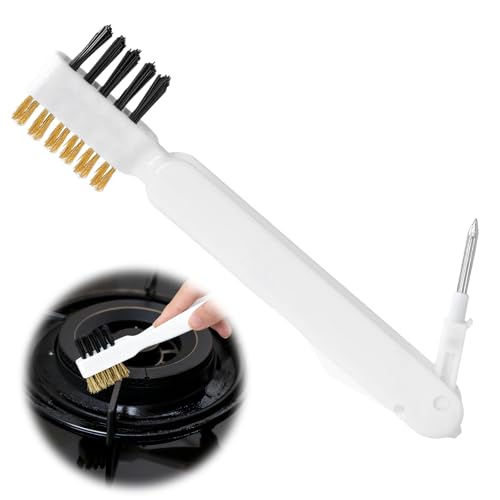
- Stiff bristle kitchen scrub brush for grease on stove and oven
- Dish wand scrubber with replaceable heads for sink cleaning
- Extendable reach cleaning duster for kitchen cabinets and high surfaces
- Silicone scrubber sponge set for cookware, countertops, and sinks


Before You Start
Prepare a cleaning plan for the space you’re about to tackle, and gather supplies to minimize back-and-forth. Clear countertops, remove items from sinks, and ventilate the area if you use fragranceful cleaners. Safety notes include keeping cleaners out of reach of children and pets, testing cleaners on delicate surfaces, and avoiding mixing bleach with ammonia. Time estimates: daily wipe-downs take 5–10 minutes; a thorough weekly cleanse can take 20–40 minutes depending on kitchen size.
Step-By-Step: How To Clean A Kitchen
- Begin with a quick surface wipe: spray a mild cleaner on countertops, cabinet fronts, and the sink, then wipe with a microfiber cloth. This reduces cross-contamination when you tackle tougher grime.
- Clean the sink using the dish wand scrubber: lubricate and scrub the basin, faucet, and drain area. Rinse thoroughly to remove soap and residue.
- Address the stove and oven: use the stiff bristle kitchen scrub brush to break up baked-on grease on burners, control panels, and oven doors. Wipe away loosened grime with a damp cloth.
- Clean cabinets and high surfaces: extendable reach cleaning duster helps remove dust and fingerprints from cabinet tops, light fixtures, and vent hoods. Work from top down to prevent re-soiling lower areas.
- Wash cookware and counters: use the silicone scrubber sponge set for pots, pans, and countertops. Rinse and dry to prevent water spots and streaks.
- Floor maintenance: vacuum or sweep the floor to remove loose debris, then mop with the microfiber spray mop. Move methodically across the room to avoid missing spots.
- Spot-clean appliances and knobs: wipe refrigerator doors, microwave surfaces, and appliance handles with a dedicated cleaner or damp cloth. Dry with a lint-free towel for a streak-free finish.
- Disinfect high-touch areas as needed: focus on door handles, light switches, and faucet handles with a suitable sanitizer, following product directions.
- Deal with stubborn stains: reapply cleaner to any persistent spots on countertops or grout and use the stiff brush or sponge for targeted scrubbing. Rinse and dry.
- Final wipe-down: give all surfaces a final pass with a clean microfiber cloth to remove any remaining residue and ensure a cohesive shine.
- Regular maintenance cycle: establish a weekly deep cleaning routine to prevent heavy buildup on surfaces, appliances, and floors.
- Storage and organization: return items to their places and wipe container exteriors before returning them to shelves for a tidy, efficient kitchen.
Troubleshooting
| Symptom | Likely Cause | Fix | Prevention |
|---|---|---|---|
| Grease on stove won’t lift | Built-up grease | Apply a dedicated degreaser, let sit, then scrub with a stiff brush | Wipe down after cooking to prevent buildup |
| Streaky countertops after wipe | Residue from cleaner | Switch to a glass-safe or water-only rinse and wipe dry | Use a microfiber cloth and avoid ammonia-heavy products on natural stone |
| Sinks drain slow | Hair or residue buildup | Use a dish wand scrubber to clean around the drain and periodically flush with hot water | Rinse sink after use and keep strainer clean |
| Floor mop leaves lint | Dirty pads or fabric | Replace pads and wash microfiber components regularly | Store mop with pad off, and wash after use |
Common Mistakes
- Using abrasive scrubbers on delicate surfaces like brushed metal or glass tile
- Over-saturating cloths or mops, leading to water pooling on floors
- Neglecting undersides of cabinets and appliances where dust accumulates
- Mixing cleaners without checking compatibility, which can create fumes or residue
Small steps, consistent attention, and the right tools reduce these pitfalls and keep the kitchen consistently clean.
Tips For Best Results
- Adapt cleaning frequency to your cooking habits; more cooking equals more frequent maintenance on stove and counters
- Label and rotate cleaning tools to avoid cross-contamination between sinks and floors
- Use warm water with a mild cleaner for most surfaces to improve grease removal
- Keep a dedicated spray bottle for quick everyday touch-ups in a reachable location
- Dry all surfaces after cleaning to prevent streaks and water damage over time
Call A Professional
Consider contacting a professional if you notice persistent mildew growth, mold behind appliances, significant cabinet water damage, or if you encounter electrical or ventilation issues that require specialized equipment.
FAQ
What is the best way to clean kitchen countertops?
Use a mild cleaner appropriate for the surface (laminate, granite, quartz, or wood) and wipe with a microfiber cloth to avoid scratches. Rinse and dry to prevent residue.
How often should I deep clean my kitchen?
Deep cleaning every one to two weeks is typical for busy kitchens, with daily quick wipes to maintain cleanliness and prevent buildup.
Can I use one cleaner for all surfaces?
Prefer surface-specific cleaners when possible, and test any cleaner on a small area before broad use to avoid damage.
What tools help with hard-to-reach areas?
An extendable reach cleaning duster is effective for cabinets, hoods, and high shelves, while a dish wand scrubber helps around the sink and faucet base.
How do I prevent food residue on floors?
Wipe spills promptly, sweep daily, and mop with a microfiber spray mop to capture both dust and food particles.
Are silicone scrubber sponges safe for nonstick cookware?
Yes, silicone scrubbers are gentle enough for nonstick surfaces while still providing effective cleaning on pots and pans.
What should I do if grout between countertops is dirty?
Use a stiff-bristle brush with a grout cleaner or baking soda paste, scrub gently, rinse, and dry completely to prevent staining.
Buying Guide
When choosing kitchen cleaning tools, consider size, noise, energy usage (for rechargeable or electric devices), control options, and placement. Here are factors to weigh for each category:
- Floor cleaning: A microfiber spray mop with replaceable pads balances efficiency and cost. Look for washable pads and a comfortable handle for extended use.
- Grease removal: A stiff bristle kitchen scrub brush is essential for stubborn spots on the stove and oven. Check bristle stiffness and durability.
- Sink and dish cleaning: A dish wand scrubber with replaceable heads offers hygienic, replaceable components. Compatibility with standard sink dimensions helps.
- Dust and high surfaces: An extendable reach cleaning duster saves time and reduces ladder use. Look for strong extension, a flexible head, and washable dusting fibers.
- Cookware care: Silicone scrubber sponges provide gentle yet effective scrubbing for nonstick and metal cookware, countertops, and sinks. Ensure heat tolerance and durable seams.
Throughout the shopping process, compare multiple brands for pad longevity, brush stiffness, and wand handle ergonomics. Are you aiming for a compact kit or a full cleaning system with interchangeable parts? Consider the storage footprint and how well each tool fits your kitchen layout. By aligning tools with cleaning tasks, homeowners can maintain a healthier, more inviting kitchen space with less effort.