Proper maintenance extends the life of a hunting knife and keeps performance consistent in the field. This guide covers practical, safe steps for cleaning and caring for a hunting knife using common gear and purpose-built products.
Readers will learn a straightforward routine, from basic wipe-down to rust prevention, with practical tips tailored to American hunting knives and reliable care products.
Quick Answer
After use, rinse the blade with warm water, dry thoroughly, apply a light coat of oil to prevent rust, and store in a dry place. For stubborn residue, use a dedicated knife cleaning spray degreaser, then re-oil. Regular maintenance reduces corrosion and preserves edge life.
What You’ll Need
- Hunting knife cleaning kit with brushes and microfiber cloth
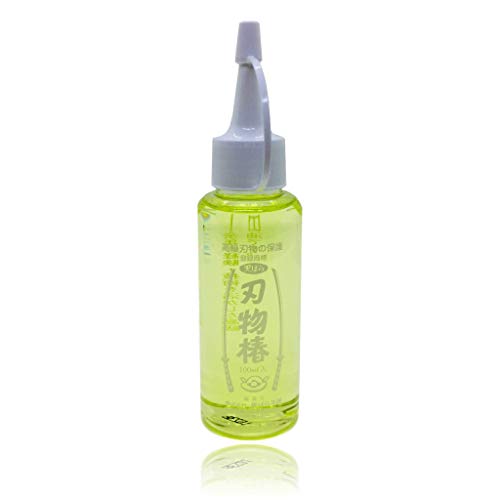
- Stainless steel knife maintenance oil for hunting knives
- Knife rust remover cleaner for hunting knives
- Food-grade mineral oil knife care kit
- Knife cleaning spray degreaser for hunting knife


Before You Start
Gather your tools and choose a clean, well-lit workspace. Use a soft cloth to avoid scratching the blade. Safety first: keep fingers away from the edge, and if the knife has a wood handle, avoid soaking the handle for long periods. Dry the blade immediately after cleaning to prevent moisture damage. Estimate 15–25 minutes for a thorough cleaning and oiling session.
Step-By-Step: How To Clean A Hunting Knife
- Inspect the knife for any visible rust, pitting, or grime, noting areas that require extra attention.
- Rinse the blade under warm water to remove surface dirt, avoiding prolonged exposure to moisture if the handle is wooden.
- Apply a small amount of knife cleaning spray degreaser to a microfiber cloth and wipe the blade, focusing on stubborn residue or sap.
- Use the included brushes from the cleaning kit to scrub the blade and any rivets or guard, then rinse off the cleaner.
- Dry the blade completely with a clean, dry microfiber cloth; leave no moisture on the edge to prevent rust.
- Apply a light coat of stainless steel knife maintenance oil for hunting knives to the blade and any exposed metal parts.
- Wipe off excess oil and buff with a dry cloth for a smooth, protective finish.
- For deeper rust spots, use the knife rust remover cleaner as directed by the product instructions, then re-oil after cleaning.
- If the handle is wood, treat it with a compatible oil to condition and seal the surface; avoid saturating the wood.
- Store the knife in a dry, ventilated area, preferably in a sheath or on a magnetic strip away from dampness.
- Schedule routine maintenance after every prolonged field use or exposure to moisture, dirt, or salt to prevent buildup.
- Keep a regular cleaning interval aligned with use intensity, typically monthly during off-season and after tough expeditions.
Troubleshooting
| Symptom | Likely Cause | Fix | Prevention |
|---|---|---|---|
| Rust spots reappear quickly | Insufficient oil or moisture exposure | Re-clean, use rust remover if needed, and re-oil | Oil after every cleaning and store in a dry place |
| Blade feels dull despite cleaning | Edge wear or improper sharpening | Resharpen as needed using proper sharpening stones | Protect edge with oil and avoid hard impacts |
| Handle swelling or cracking | Excess water exposure | Dry thoroughly and condition wooden handles | Limit soaking and dry promptly after use |
| Water leaves residue or staining | Inadequate rinsing or residual cleaner | Rinse again with clean water and dry completely | Rinse promptly after cleaning tasks |
Common Mistakes
- Using harsh household cleaners that can strip protective coatings
- Letting the blade air-dry without wiping, which invites moisture buildup
- Over-oiling, which can attract dust and sap
- Soaking wooden handles for extended times, causing swelling
- Neglecting to store in a dry, ventilated location
Tips For Best Results
- Keep a dedicated pocket or sheath for the knife to minimize exposure to moisture and contaminants.
- Test rust removers on a small area first to ensure compatibility with blade finish.
- Apply oil sparingly; a thin protective film is enough to deter rust.
- Use a soft, lint-free cloth to prevent micro-scratches on the blade surface.
- Document cleaning intervals to maintain a consistent maintenance routine.
Call A Professional
Seek professional help if the blade shows severe pitting, deep rust that compromises structural integrity, or if the knife has sentimental or high-value handles. Stop using the knife if the edge is chipped or if the tang shows signs of fatigue, and contact a qualified knife maker or sharpener for assessment.
FAQ
How often should I clean a hunting knife?
Clean after exposure to moisture, salt, or sap, and perform a routine wipe-down after field use to prevent buildup.
Can I use kitchen oil to care for a hunting knife?
Use oils formulated for knives or food-grade mineral oil when appropriate; avoid cooking oils that can gum up over time.
Is rust remover safe on all blades?
Most rust removers are safe on stainless steel, but test on a small area first and follow product directions closely.
What’s the best way to store a hunting knife long-term?
Store in a dry, ventilated area, ideally in its sheath or on a magnetic strip away from humidity.
Buying Guide
Choosing the right care products for a hunting knife depends on several factors. Consider the blade material, handle type, and typical field conditions when selecting a cleaning kit, oil, or rust remover. Here are key buying factors to help guide decisions.
Size and compatibility
Look for a kit that includes a range of brushes and cloth sizes suitable for compact or full-sized hunting knives. A compact kit travels well in a pack or bag.
Noise level and ease of use
Choose spray degreasers and oils that are easy to apply, with minimal odor and simple steps. User-friendly designs reduce the risk of accidental slips or misuse.
Energy efficiency and materials
Prefer products with corrosion inhibitors and food-grade safety where applicable, ensuring lasting protective films without frequent reapplications.
Controls and packaging
Look for clearly labeled instructions and sealed packaging to avoid contamination. Pre-measured amounts prevent over-application.
Placement and storage suitability
Ensure that cleaning products are stored away from heat sources and in a dry area. Consider a dedicated knife care kit to keep routine maintenance organized.