Keeping a goldfish healthy starts with a clean, stable aquarium. This step-by-step guide walks beginners through safe, effective tank cleaning using common, beginner-friendly tools. It emphasizes practical routines, safe handling, and water-quality checks to prevent stress for the fish.
Quick Answer
Plan routine partial water changes, remove visible debris, scrub algae, and test water chemistry. Use a gravel vacuum to siphon waste, clean filters or replace media as needed, and maintain consistent parameters with a water test kit.
Avoiding Common Pitfalls
Over-cleaning can stress goldfish; decline to use harsh cleaners inside the tank. Always treat new water to match temperature and parameters. Introduce equipment gradually to avoid sudden changes that shock fish.
What You’ll Need
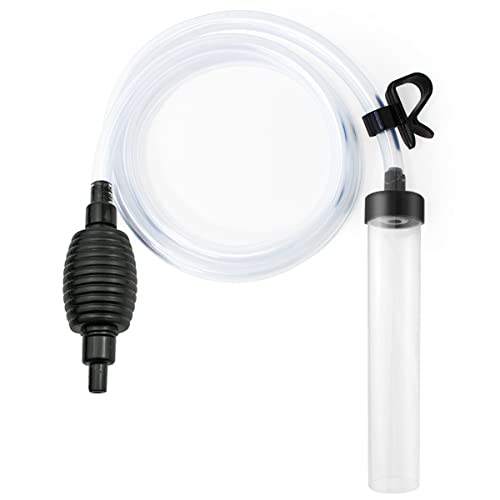
- 5-in-1 aquarium gravel vacuum siphon cleaner
- Magnetic algae scraper for glass aquarium
- Adjustable flow siphon gravel cleaner kit for fish tank
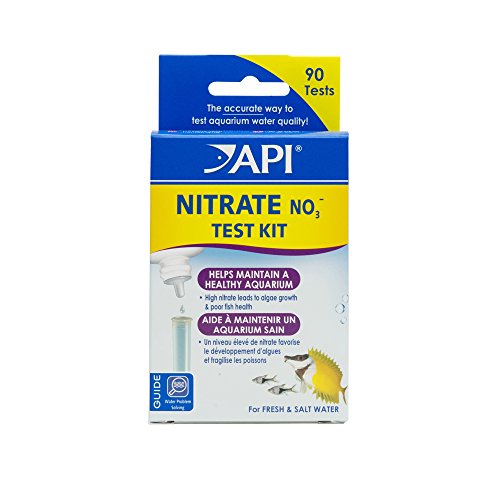
- Freshwater aquarium water test kit with pH ammonia nitrite nitrate
- Replacement sponge filter media for hang-on back aquarium filter

Before You Start
Prepare a clean bucket dedicated to aquarium use. Have a water conditioner on hand to remove chlorine and chloramines. Test water parameters before starting and during the process. Allow enough time for dechlorinated water to reach the same temperature as the tank. Never add tap water directly into a tank with inhabitants without treating it first. Schedule routine cleanings to fit your goldfish’s needs and tank size.
Step-By-Step: How To Clean A Goldfish Tank For Beginners
- Turn off and unplug all equipment to begin safely.
- Use the gravel vacuum to remove a portion of the water (about 25–40%).
- Gently vacuum the substrate to remove buildup without disturbing the fish.
- Wipe down visible algae with the magnetic scraper, moving in even, light strokes.
- Rinse the replacement sponge media: if using a filter, replace or rinse media per manufacturer guidance.
- Refill the tank with treated water at the same temperature and gradually acclimate to the tank’s chemistry.
- Check water parameters with the test kit: pH, ammonia, nitrite, and nitrate should stay within safe ranges for goldfish.
- Turn the equipment back on and observe for proper function.
- Monitor the fish for signs of stress in the hours after cleaning.
- Schedule the next maintenance session based on tank size and bioload, aiming for regular, moderate cleanings.
- Adjust cleaning frequency if tests show rising ammonia or nitrate levels.
- Maintain a consistent routine to support a stable environment for goldfish.
Troubleshooting
| Symptom | Likely Cause | Fix | Prevention |
|---|---|---|---|
| Cloudy water | Excess detritus or mineral buildup | Perform partial water changes and clean substrate | Regular maintenance schedule |
| Rapid gill movement or stress | Temperature spike or sudden parameter shift | Slowly adjust temperature; retest water | Avoid big water changes in one session |
| Algae growth returning quickly | Light exposure or insufficient filtration | Clean glass and adjust light exposure; check filter | Consistent lighting and filtration levels |
| Unusual fish behavior after cleaning | Chlorinated water or pH imbalance | Recheck dechlorination and parameters | Measure and prep water accurately |
Common Mistakes
- Over-siphoning too much water in a single session, causing stress.
- Using harsh cleaners or detergents inside the tank.
- Neglecting to dechlorinate new water before adding it to the tank.
- Rushing steps or skipping water testing after cleaning.
- Ignoring filter maintenance, leading to reduced filtration.
Tips For Best Results
- Establish a predictable routine, such as a weekly partial water change and a monthly filter media check.
- Match water temperature and parameters to avoid thermal shock.
- Gently scrub only the outer surfaces and substrate—avoid disturbing the fish unnecessarily.
- Use the gravel vacuum to target waste pockets without disturbing beneficial bacteria.
- Keep backup test kits and conditioner handy for quick responses to changes.
When To Call A Professional
Seek expert help if signs of injury or illness persist beyond a few days, or if you notice persistent unexplained parameter instability, persistent disease symptoms, or complex equipment failures you cannot safely resolve.
FAQ
How often should I clean a goldfish tank?
Typically weekly partial water changes and monthly filter maintenance work well for beginner setups with moderate bioload.
Can I use tap water for my goldfish after treatment?
Yes, but only after using a water conditioner to remove chlorine and chloramines, and after matching temperature.
What if the water tests show high ammonia?
Perform immediate partial water changes, inspect the filter, and verify proper cycling and aeration.
Is a sponge filter necessary for beginners?
A sponge filter supports biological filtration and is user-friendly for newcomers, especially in smaller tanks.
Buying Guide
When selecting gear for cleaning a goldfish tank, consider size, ease of use, and compatibility with your tank. A gravel vacuum with adjustable flow helps maintain substrate cleanliness without stressing fish. A magnetic algae scraper makes algae removal safe and efficient on glass surfaces. A reliable water test kit with pH, ammonia, nitrite, and nitrate indicators is essential for early problem detection. If using a hang-on back filter, replacement sponge media keeps biological filtration strong. Look for durable materials, BPA-free plastics, and kits with clear instructions to support a beginner-friendly setup.
Additional Factors To Consider
- Tank size: Larger tanks stabilize water chemistry and are typically easier to maintain for beginners.
- Noise and energy use: Choose efficient pumps and quiet gear to reduce disruption.
- Placement: Position filters, heaters, and skimmers where maintenance is easy and safe.
- Controls and indicators: Simple, visible indicators help track when to test water and perform maintenance.
- Replacement parts availability: Ensure compatible sponge media and replacement components are easy to source.