Dusty mattresses can accumulate skin flakes, dust mites, and allergens that affect sleep quality. This guide provides a clear, practical method to remove dust using common tools and safe cleaning practices. The steps emphasize vacuuming, surface treatment, and refreshing the fabric without over-wetting the mattress.
Quick Answer
To clean a dusty mattress efficiently, start with a thorough dry vacuum using an upholstery attachment, then tackle stubborn dust with a handheld vacuum or lint roller. For deeper cleaning, use a fabric steamer or mattress steam cleaner with hot water extraction in small sections, followed by air drying. Finish with a light vacuum or lint roller to pick up loosened debris.
What You’ll Need
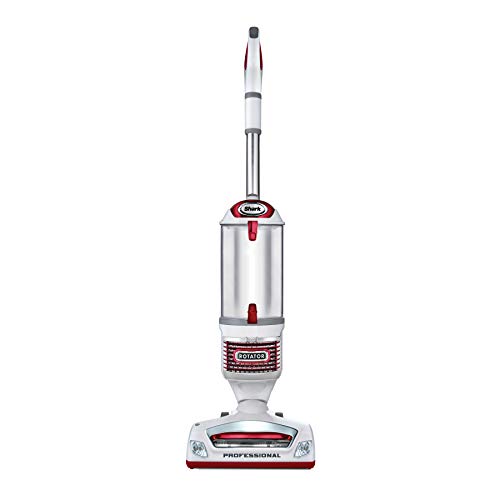
- Upright vacuum cleaner with upholstery tool HEPA for mattress
- Handheld vacuum cleaner for mattress dust removal HEPA
- Mattress steam cleaner hot water extraction
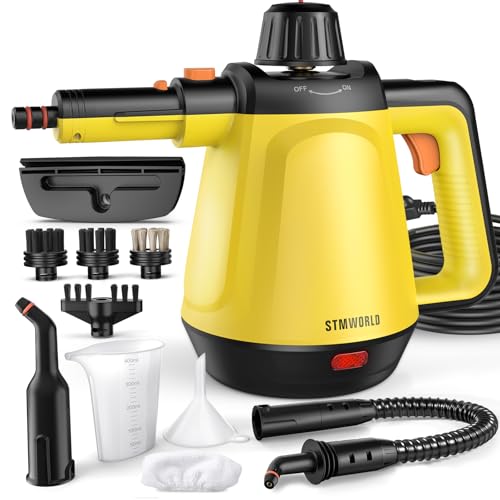
- Fabric steamer for mattress cleaning
- Lint roller for mattress dust removal

Before You Start
Preparation matters for safety and results. Remove bedding and pillows, and vacuum the bed frame and surrounding area to minimize re-dust. Check the mattress label for cleaning guidance; many fabrics tolerate light steam but should not be soaked. Work in a well-ventilated room and allow ample time for drying. Avoid soaking the mattress as excess moisture can promote mold or mildew growth.
Step-By-Step: How To Clean A Dusty Mattress
- Strip and launder any linens, pillowcases, or mattress protectors to remove surface dust before cleaning the mattress surface.
- Vacuum the entire surface with an upright vacuum using the upholstery tool and a HEPA filter. Use long, even strokes and overlap to lift loose dust.
- For stubborn dust or pet dander, switch to a handheld vacuum with HEPA and run it across seams, stitching, and tufted areas where dust gathers.
- Use a lint roller on fabric surfaces to pick up fine particles along edges and corners that may resist vacuuming.
- If using a mattress steam cleaner with hot water extraction, work in small sections. Apply light steam, then extract the moisture to remove embedded grime without soaking the fabric.
- Alternatively, a fabric steamer can refresh the surface and relax fibers. Move the steamer slowly to avoid saturating the mattress, allowing air to circulate as you treat.
- Let the mattress air dry completely. Open windows if possible and use a fan to speed up evaporation. Check for any remaining dust and re-clean if needed.
- Reposition the mattress and vacuum one final pass to collect any loosened dust that settled during cleaning.
- Put on fresh bedding and consider regular maintenance to prevent future buildup.
Troubleshooting
| Symptom | Likely Cause | Fix | Prevention |
|---|---|---|---|
| Dust reappears quickly | Inadequate initial cleaning; insufficient airflow | Re-clean with longer vacuum strokes and improve room ventilation | Rotate bedding weekly and vacuum weekly |
| Moisture smell after cleaning | Too much moisture from steam | Use lighter steam and ensure thorough extraction; dry completely | Avoid soaking; air out room during cleaning |
| Streaks or damp patches | Moist makeup from steam or steam cleaner | Wipe with a dry cloth and finish with air drying | Test cleaner on a small area first |
| Allergen sensitivity remains high | Dust mites or deep-set dust | Repeat cleaning and consider a mattress protector | Regular cleaning schedule and HEPA filtration |
Common Mistakes
- Over-wetting the mattress during steam cleaning, leading to long drying times.
- Using harsh cleaners or soaking liquids that can damage fabric fibers.
- Neglecting edges and seams where dust collects.
- Relying on a single tool; combining vacuuming, lint rolling, and steaming yields better results.
Tips For Best Results
- Dust accumulates fastest around the headboard, nightstands, and bed rail corners—treat these zones first.
- Schedule regular cleanings to prevent heavy dust buildup; a quarterly routine often works well for many households.
- Keep a portable vacuum handy for quick touch-ups between deeper cleanings.
- Consider a mattress protector to reduce dust and allergens over time.
- Test any cleaning method on a hidden area of the mattress fabric before full application.
Call A Professional
Seek professional help if the mattress shows persistent odors, visible mold, or staining that requires chemical treatment. Stop cleaning and consult a pro if there is any sign of mold growth or structural damage, or if you notice allergic reactions that don’t improve with routine maintenance.
FAQ
Can I use hot water on a memory foam mattress?
Yes, but use minimal moisture and ensure rapid extraction to prevent damage and odor development.
How often should I clean my mattress?
Light maintenance can be done monthly, with a thorough cleaning every 3–6 months depending on household conditions.
Is a steam cleaner safe for fabric upholstery on mattresses?
Most fabrics tolerate light steam; follow the manufacturer’s guidelines and avoid soaking.
What helps reduce mattress dust long-term?
Using a HEPA-filter vacuum, lint rollers for edges, and a washable mattress protector can significantly reduce dust accumulation.
Are there eco-friendly cleaning options?
Yes, you can rely on dry vacuuming, fabric-safe steam, and natural fiber brushes, avoiding harsh chemical sprays.
Buying Guide
When choosing tools to help keep a mattress free of dust, consider size, noise, energy use, and practicality. A combination approach tends to yield the best results, using both a high-quality upright vacuum with an upholstery tool and a portable handheld vacuum for tight spots. For occasional deep cleaning, a mattress steam cleaner with hot water extraction can help lift embedded grime, but use it carefully to avoid over-wetting. A fabric steamer offers a gentler refresh, especially on delicate fabrics, while a lint roller provides a quick, residue-free finish on seams and edges. Think about how often you clean, the room temperature, and whether a HEPA filtration system is important for allergy control. Place cleaning gear within reach of the bed area to simplify routine maintenance and ensure bedrooms stay dust-minimized. If space is limited, prioritize a compact handheld vacuum with strong suction and HEPA filtration for daily touch-ups. For households with pets or higher dust levels, investing in a robust upright vacuum with a dedicated upholstery tool can improve overall cleanliness and air quality.