Copper sinks can develop a green or blue-green patina over time due to oxidation, water minerals, and cleaning by-products. With the right approach, you can restore shine and protective luster without damaging the metal or diminishing its finish. This practical guide explains safe methods using common copper-cleaning products and simple tools.
The following steps are designed for homeowners who want an effective, low-risk cleanup that preserves copper’s natural beauty while removing discoloration.
Quick Answer
Restore luster in minutes by gently scrubbing with a copper patina remover brush or copper sink tarnish remover paste, then rinse and buff with a microfiber polishing cloth. For light discoloration, a spray cleaner may suffice; for stubborn oxidation, repeat the process.
What You’ll Need
- Copper sink tarnish remover paste
- Non-scratch scrub pad for copper cleaning
- Copper sink cleaner spray
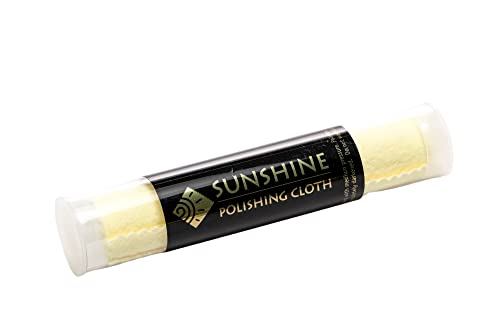
- Microfiber polishing cloth for copper
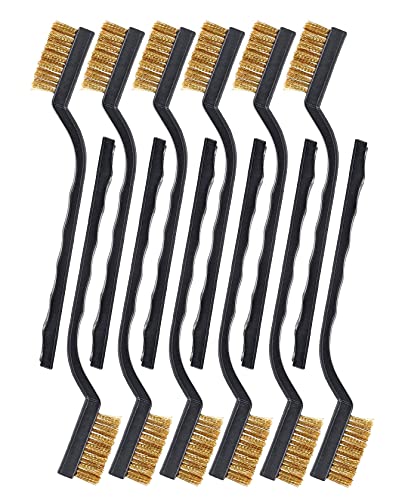
- Copper patina remover brush

Before You Start
Protect surrounding surfaces with a damp towel to catch splashes. Test cleaners on a small, inconspicuous area first. Wear gloves to minimize skin irritation from cleaners. Time estimate: 20–45 minutes for initial cleaning; follow-up maintenance as needed. Avoid abrasive brushes or steel wool that can scratch copper.
Step-By-Step: How To Clean A Copper Sink That Has Turned Green
- Rinse the sink with warm water to remove loose debris and soften oxidation.
- Apply a small amount of copper patina remover brush paste to the affected areas.
- Gently scrub in circular motions with the non-scratch scrub pad for copper cleaning.
- Wipe away residue with a damp microfiber polishing cloth and assess color change.
- If discoloration persists, apply copper sink tarnish remover paste again, focusing on stubborn spots.
- Spray a light layer of copper sink cleaner spray over the area for a final shine.
- Buff with a clean microfiber cloth until the surface reflects light evenly.
- Rinse thoroughly with warm water and wipe dry to prevent new oxidation.
- Inspect for uniform color; repeat steps if any green traces remain.
- Finish with a light spray of cleaner or a protective wax if recommended by product instructions.
- Store cleaners in a cool, dry place and use them as part of routine maintenance.
- Document which areas respond best for future touch-ups.
Troubleshooting
| Symptom | Likely Cause | Fix | Prevention |
|---|---|---|---|
| Green residue remains after cleaning | Heavy oxidation in small crevices | Reapply paste and brush with the patina remover brush | Dry surfaces after use; wipe spills promptly |
| Streaky finish | Residual cleaner or water spots | Re-wipe with microfiber cloth and rinse well | Rinse completely; dry with soft cloth |
| Scratches appear | Overly abrasive scrub | Switch to non-scratch pad and gentler pressure | Avoid metal brushes |
| Patchy color after cleaning | Uneven application | Reapply product piece by piece | Follow manufacturer instructions precisely |
Common Mistakes
- Using steel wool or harsh abrasive pads on copper
- Over-wetting the area and leaving standing water
- Using acidic cleaners on a satin or matte finish
- Ignoring small areas where green patina hides
Tips For Best Results
- Work in a shaded area to prevent rapid drying of cleaner compounds.
- Choose a cleaner compatible with your sink’s finish (polished, satin, or hammered).
- Test any product on an inconspicuous spot before full application.
- Maintain a regular cleaning routine to slow oxidation and keep color even.
Call A Professional
Consider a professional if the sink has extensive patina covering intricate textures, or if you notice pitting or corrosion beneath the surface. Seek expert help when protective coatings appear damaged or when color repair requires specialized tools beyond home kits.
FAQ
What causes a copper sink to turn green?
Oxidation from moisture, minerals, and air exposure creates copper patina, which can appear as green or blue-green discoloration.
Can I use regular household cleaners on copper sinks?
Some household cleaners can leave residues or react with copper; use products designed for copper cleaning and follow label directions.
Is patina remover safe for all copper finishes?
Most patina removers are formulated for common copper finishes, but test first and follow manufacturer guidance for your specific finish.
How often should I clean a copper sink?
Light maintenance every few weeks and a deeper clean every few months helps prevent heavy oxidation.
Will this restore shine without removing patina entirely?
Yes, proper cleaning can restore brightness while preserving a uniform patina if desired.
Buying Guide
When choosing products to clean a copper sink, consider these factors to optimize results and protect the finish:
- <bSize and finish: polished, brushed, or hammered finishes may react differently; select cleaners labeled safe for your finish.
- <bNoise level and ease of use: spray bottles, pastes, and brushes offer different user experiences; pick what fits your routine.
- <bEnergy efficiency of products is generally not a concern for cleaning agents, but choose low-odor, non-toxic formulas when possible.
- <bControls and application method: paste vs spray vs liquid; brushes vs pads; ensure compatibility with copper care kits.
- <bPlacement of cleaning supplies: store in a cool, dry place away from children and pets; label clearly.
For best results, consider a bundled kit that includes a copper tarnish remover paste, non-scratch scrub pad for copper cleaning, copper sink cleaner spray, and a microfiber polishing cloth for copper. Such a kit provides all essential tools and simplifies routine maintenance, helping to keep copper sinks looking bright and even over time.