Keeping a Bunn coffee maker clean is essential for optimal performance and great-tasting brews. Regular cleaning prevents mineral buildup, clogs, and stale flavors that can affect aroma and strength. This guide provides a practical, step-by-step approach using recommended Bunn cleaning products and common household supplies.
Whether you own a single-serve or a commercial-style model, following these steps helps extend the life of the brewer and maintain consistent results with every pot. Safety and consistency are the keys to a smooth cleaning routine that fits into a busy schedule.
Quick Answer
Quick method: Run a descaling solution through the brewer according to product directions, scrub removable parts with a cleaning brush, rinse thoroughly with fresh water, and wipe the exterior. Repeat monthly for preventive maintenance.
What You’ll Need
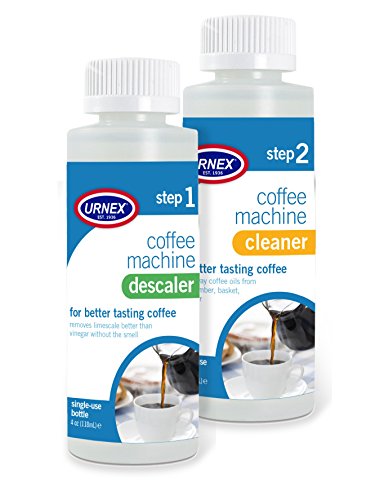
- Bunn coffee maker descaler powder
- Bunn coffee maker cleaning solution
- Bunn cleaning brush for coffee maker
- Bunn carafe cleaner for coffee pot
- Bunn coffee brewer cleaning kit


Before You Start
Prepare a clean work area and gather supplies. Clear the drip tray and coffee basket; remove any remaining coffee grounds. Wear gloves if you have sensitive skin and ensure good ventilation when using cleaning solutions. Time estimate: about 30–45 minutes for a full cleaning cycle plus drying time. Always unplug the machine before disassembling removable parts.
Carefully read product labels for dilution ratios and contact time. Do not mix cleaning solutions with hot water directly unless specified. If your machine has a removable water reservoir, rinse it separately with warm, soapy water before reassembly.
Step-By-Step: How To Clean A Bunn Coffee Maker
- Unplug the brewer and remove the carafe, brew basket, and any accessories.
- Prepare the descaler solution according to the product instructions. If a dedicated Bunn descaler is used, mix as directed and fill the reservoir or decalcifier chamber.
- Fill the reservoir with the descaling solution, then run a brew cycle without coffee to circulate the solution through the system.
- Pause the cycle as recommended by the product label to allow descaler contact time with the internal components.
- Rinse the machine by running fresh water through the brewer multiple times to remove all descaler residue.
- Soak or hand-wash removable parts (carafe, brew basket) in warm, soapy water, then scrub with the Bunn cleaning brush for coffee maker and rinse well.
- Use the Bunn carafe cleaner to restore shine to the carafe, following the product directions for a thorough rinse.
- Wipe down the exterior with a damp cloth and dry all surfaces before reassembling.
- Run a second clean water cycle to ensure no cleaner remains in the system, then brew a test pot to verify performance.
- Let all parts dry completely before storing or closing the reservoir to prevent mold growth.
- Schedule routine cleanings, typically every 1–3 months depending on usage and water hardness.
Troubleshooting
| Symptom | Likely Cause | Fix | Prevention |
|---|---|---|---|
| Weak brew or off-taste | Mineral buildup | Run descaler solution through, then thorough rinse | Monthly descaling if water is hard |
| Unknown residue in cup | Residual cleaner or coffee oils | Extra rinse cycles and carafe cleaning | Rinse until water is clear |
| Brewer not turning on | Electrical issue or clogged inlet | Check power cord, inspect hoses for kinks | Regular maintenance schedule |
| Carafe has stains | Spent coffee oils/build-up | Use carafe cleaner, scrub and rinse | Prompt cleaning after use |
| Leaking from brew head | Seal or gasket wear | Inspect and replace if needed | Handle with care during cleaning |
Common Mistakes
- Using household vinegar in place of descaler, which can cause residue or odor
- Skimping on rinsing cycles, leaving cleaner or flavor traces
- Neglecting removable parts, leading to hidden buildup
- Over-soaking carafe or parts, which can cause cracking or discoloration
Tips For Best Results
- Establish a regular cleaning cadence aligned with water hardness and usage.
- Always finish with multiple fresh-water rinse cycles to ensure no cleaner remains.
- Use the cleaning kit components together for a comprehensive clean.
- Keep a dedicated cleaning brush and carafe cleaner to minimize cross-contamination with kitchen tools.
- Label the calendar reminders for descaling to stay consistent.
Call A Professional
Stop and seek professional service if the Brewer shows persistent leaks, unusual noises, electrical smells, or failure to heat correctly after cleaning. Do not attempt internal repairs yourself beyond routine cleaning routines. If the machine is under warranty, consult the manufacturer before performing maintenance that could affect coverage.
FAQ
How often should I descale a Bunn coffee maker?
Descale every 1–3 months depending on water hardness and usage. High-mineral regions may require more frequent cleaning.
Can I use vinegar to descale a Bunn brewer?
Vinegar is not recommended for most Bunn models; use the manufacturer-approved descaler to avoid damage or residue.
Should I remove the water reservoir during cleaning?
Yes, remove and rinse the reservoir if possible, then reattach and rinse the system thoroughly.
What parts should I clean regularly?
Clean the carafe, brew basket, reservoir interior, and external surfaces on a routine schedule.
Buying Guide
Choosing the right cleaning products and tools for a Bunn coffee maker involves considering compatibility, cleaning effectiveness, and ease of use. Look for descaler powder that is specifically labeled for Bunn systems and a dedicated cleaning solution formulated to break down coffee oils and mineral buildup. A dedicated cleaning brush helps reach tight areas, while a carafe cleaner keeps the pot spotless without scratching surfaces. A complete coffee brewer cleaning kit combines these items for convenience and consistency. When comparing options, ensure the kit includes clear instructions and proper dilution ratios, and verify that the kit products are safe for the specific Bunn model you own. Think about your typical brew volume and water hardness to determine how often cleaning is needed and which tools will be most cost-effective in the long run.
Size, noise level, energy efficiency, controls, and placement matter for overall usability. For home kitchens, compact models with simple controls reduce maintenance time. In busy environments, look for kits that streamline routine cleaning without requiring disassembly of delicate components. Consider whether you prefer a manual descaler process or a more automated cleaning routine, and make sure the cleaning products are easy to store in your kitchen or break room. If you share your space with others, opt for clearly labeled procedures and color-coded tools to minimize mistakes. A well-planned cleaning regimen promotes consistent taste and longer machine life. Are you ready to streamline your Bunn cleaning routine with a trusted kit and proven steps?