Maintaining a glossy black enamel surface keeps a kitchen looking sharp and easy to wipe down. This guide covers practical steps, safe cleaners, and best tools to keep a black enamel stove top spotless without scratching the finish.
Quick Answer
Use a gentle cleaner spray or paste designed for enamel, apply with a soft cloth or microfiber, then scrub with a non-scratch pad and rinse. Finish by buffing with a microfiber cloth to restore shine and remove streaks.
What You’ll Need
Gather these tools and products to clean a black enamel stove top effectively. The list prioritizes items that protect enamel while delivering quick results.
- black enamel stove top cleaner spray or similar enamel-safe cleaner
- enamel stove top cleaning paste for tough spots
- stovetop scraper for enamel surfaces to lift burnt-on residues
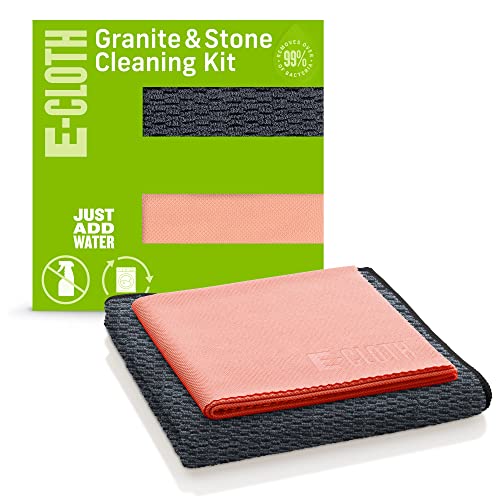
- stove top cleaning kit enamel finish microfiber cloth for polishing
- microfiber cleaning cloth for enamel stove top to trap grime without scratching
- Non-scratch sponge or pad


Before You Start
Clear the area and ensure the stove is completely cool before cleaning. Remove grates and knobs if possible and wash them separately. Work in a well-lit area to spot smudges and residue. Wear gloves if you have sensitive skin and avoid cleaners containing abrasive particles that can dull the enamel finish. Plan for a 15–30 minute cleaning session depending on buildup.
Step-By-Step: How To Clean A Black Enamel Stove Top
- Remove the grates, burner caps, and any loose debris from the surface. Wipe away loose crumbs with a dry cloth.
- Apply enamel stove top cleaning paste in a small, circular motion to baked-on areas. Let it sit for 2–3 minutes to loosen grime.
- Spray a light mist of black enamel stove top cleaner spray on the treated areas or directly onto the surface for even coverage.
- Use a stovetop scraper for enamel surfaces at a 45-degree angle to gently lift stuck residue. Do not gouge the surface.
- Wipe away loosened grime with a damp microfiber cloth, followed by a dry cloth to remove streaks.
- For stubborn spots, repeat the paste treatment and use the microfiber cleaning cloth for enamel stove top to buff until smooth.
- Clean the control knobs and edges separately with a mild cleaner on a cloth, then dry completely before reattaching.
- Reassemble the grates and caps. Give the entire surface a final buff with a clean microfiber cloth to restore shine.
- Inspect for streaks; if any remain, wipe with a lightly dampened microfiber cloth and dry again.
- Store cleaners and tools out of reach of children and pets. Label any chemical containers for safety.
- Regular maintenance step: wipe down after cooking to prevent buildup and extend the enamel’s luster.
- Document any areas that show wear over time and consider a periodic deep clean quarterly to maintain the finish.
Troubleshooting
| Symptom | Likely Cause | Fix | Prevention |
|---|---|---|---|
| Streaky or dull finish | Residual cleaner or water spots | Buff with a dry microfiber cloth until clear | Wipe in one direction, dry promptly |
| Stubborn burnt-on residue | Heavy buildup | Reapply cleaning paste and use the scraper gently | Clean after each use to prevent buildup |
| Scratches or dull patches | Harsh abrasives or metal scrubbers | Switch to non-scratch tools; buff with enamel-safe polish if available | Use enamel-safe products only |
| Discoloration near burners | Heat exposure and splatters | Spot-clean with paste, rinse with microfiber, dry | Clean spills promptly; use protective mats |
Common Mistakes
- Using abrasive pads on enamel surfaces, which can scratch the finish.
- Using bleach or ammonia on dark enamel, which may cause discoloration.
- Leaving cleaner on the surface too long, leading to residue buildup.
- Neglecting to remove grates and knobs before cleaning, causing uneven results.
Sticking to enamel-safe products and following gentle techniques helps preserve the glossy look over time.
Tips For Best Results
- Maintain a light routine: wipe down after cooking and do a deeper clean weekly to prevent heavy buildup.
- Use microfiber cloths rather than cotton towels to trap oils without leaving lint.
- Test cleaners on a small, inconspicuous area first to ensure colorfastness.
- Always rinse thoroughly after using cleaners to avoid streaks and residue.
- Keep a dedicated cleaning kit on hand for quick touch-ups between deep cleans.
Call A Professional
Consider contacting a professional if the enamel shows deep pitting, persistent discoloration, or extensive chipping that affects performance or safety. Stop and seek help if cleaners cause damage, odors, or unusual fumes. For stubborn issues beyond routine cleaning, a pro can advise on refinishing options.
FAQ
Can I use vinegar on a black enamel stove top?
Vinegar can be used in small amounts for gentle cleaning, but it should be rinsed off completely and not used as the sole cleaner on stubborn residue.
What’s the best method for daily upkeep of enamel surfaces?
Wipe with a damp microfiber cloth after cooking, then dry with a clean microfiber cloth to prevent streaks and buildup.
Are enamel-safe cleaners necessary, or can I use dish soap?
Dish soap with warm water works for light cleaning; for tough spots, use dedicated enamel-safe cleaners to avoid scratches.
How often should I deep-clean an enamel stove top?
A deep clean every 1–2 weeks, depending on usage, helps prevent heavy buildup and preserves the finish.
Is it okay to use a metal scraper on enamel?
No. Use a plastic or enamel-safe scraper to avoid scratching the surface.
Should I remove knobs during cleaning?
Yes, if removable, to clean behind and around them more effectively and prevent buildup near controls.
What about tough stains near burners?
Apply a small amount of paste, let it sit, then gently scrub with a non-scratch pad and rinse well.
Buying Guide
Choosing the right cleaning products and tools for a black enamel stove top balances effectiveness with surface safety. Consider size and layout of the stove, typical residue from cooking, and maintenance preferences. Key factors:
- <bCleaners: Look for enamel-safe spray cleaners and cleaning pastes formulated for enamel finishes. They should be non-abrasive and free of harsh solvents that could dull shine.
- <bTools: A dedicated non-scratch scraper and microfiber cloths are essential. Microfiber traps grease without leaving fibers behind.
- <bNoise and ease of use: A simple spray-and-wipe routine reduces effort and minimizes disruption in the kitchen.
- <bEnergy and resource efficiency: Choose multi-use bottles and reusable cloths to minimize waste and save money over time.
- <bControls and placement: Ensure cleaners and tools are kept away from children and away from the stove controls when in use; store neatly near the cleaning area for quick access.
When comparing kits, consider whether the kit includes enamel finish microfiber cloths and a stovetop scraper for enamel surfaces, as these can streamline routine maintenance. Evaluate how easy the products are to store, how often you clean, and whether the kit covers both the surface and removable parts.