Maintaining a clean bar not only improves appearance but also preserves the longevity of glassware, tools, and surfaces. A well-kept bar setup reduces the risk of cross-contamination and ensures customers receive drinks that taste as intended. This guide outlines practical steps and common-sense methods for American bartenders and home enthusiasts alike.
Quick Answer
For quick cleanliness, rinse glassware promptly, scrub surfaces with a bar-specific brush, and keep a dedicated cleaning kit within reach. Use a routine: wash, rinse, sanitize, and dry, then store tools and towels in a dry, organized area.
What You’ll Need
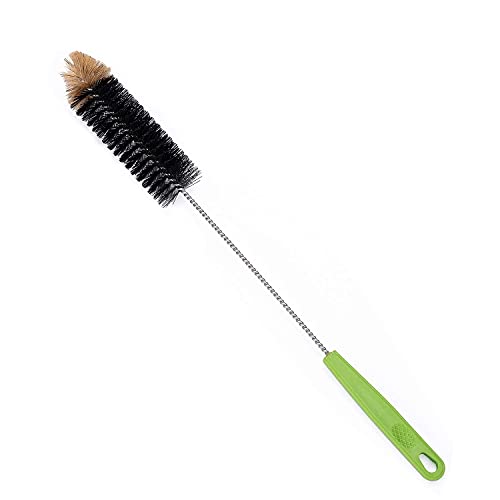
- Long-handled bottle brush for bar cleaning
- Stainless steel bar sink scrub brush
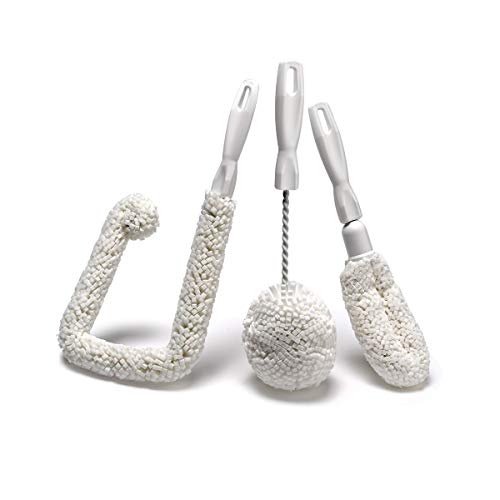
- Glassware cleaning brush for cocktails
- Bar tool cleaning kit with brushes and sponge
- Microfiber bar rag and towel cleaning set

Before You Start
Prepare a clean workstation and designate zones for glassware, tools, and sponges. Ensure hot running water or an approved sanitizing solution is available, along with clean drying towels. Wear non-slip shoes and use gloves if you’re handling caustic cleaners. Plan a routine that fits the service pace, typically around 15–30 minutes for a standard bar after close. Sanitize all surfaces that contact beverages, including taps, ice wells, and pour spouts.
Step-By-Step: How To Clean A Bar
- Remove all used glassware and utensils, placing them in the appropriate washing area.
- Rinse glassware with warm water to loosen residues, then wash with the glassware cleaning brush for cocktails to prevent cloudiness.
- Scrub non-porous surfaces like the bar top, shelves, and pour spouts with the stainless steel bar sink scrub brush to remove fingerprints and sticky residues.
- Clean bar tools using the bar tool cleaning kit with brushes and sponge, paying special attention to corkscrews, shakers, and strainers.
- Wipe down sinks and drains with a microfiber rag to remove soap scum and any lingering grime.
- Rinse all items thoroughly and allow glassware to air-dry or dry with microfiber towels for streak-free results.
- Sanitize surfaces and tools with an approved sanitizer, following the product’s contact time recommendations.
- Return items to their designated places, ensuring shelves are organized and easily accessible for service.
- Inspect glass rims for chips or cracks; remove damaged glassware from service until replaced.
- Set a routine cleanup at designated intervals, such as after each shift or between busy service periods.
- Review inventory of cleaning supplies and restock as needed to avoid gaps during operations.
- Document any maintenance issues (leaks, worn brushes, dull blades) and address promptly to prevent buildup.
Troubleshooting
| Symptom | Likely Cause | Fix | Prevention |
|---|---|---|---|
| Cloudy glassware | Soap residue or hard water | Rinse thoroughly; run a second rinse with clean water | Use proper rinsing technique; consider a mineral-free water source |
| Sticky bar top | Spills not cleaned promptly | Wipe with microfiber and a mild cleaner | Clean spills immediately; maintain wipe-down schedule |
| Streaky surfaces | Residue from cleaners not fully removed | Rinse and dry with microfiber towels | Use a clean, damp cloth and dry thoroughly |
| Damaged glassware in service | Worn rims or cracks not spotted | Set aside damaged pieces; replace when possible | Inspect glassware before use |
| Unpleasant odors | Old sanitizer or dirty cloths | Freshen with appropriate cleaner; launder towels | Rotate towels; sanitize storage areas |
Common Mistakes
- Using the same brush across glassware and surfaces without sanitizing between tasks
- Skipping the drying step, which can leave spots and promote mildew on mats
- Neglecting regular replacement of worn brushes and rags
- Relying on strong cleaners without proper rinse to avoid chemical residues
- Overloading sinks, which prevents effective cleaning and rinsing
Tips For Best Results
- Designate color-coded cleaning tools to minimize cross-contamination between glassware, utensils, and surfaces.
- Rinse glassware twice with warm water before washing to reduce spotting and cloudiness.
- Use microfiber towels for faster drying and to avoid lint on glass rims.
- Keep a log of sanitation times and rotate to ensure consistent cleanliness across shifts.
- Stagger tasks to prevent bottlenecks: pre-wash, wash, rinse, sanitize, and dry in sequence.
Call A Professional
Consider professional help if any of the following occur: persistent odors despite cleaning, persistent mineral buildup not removed by standard methods, or recurring tool damage that affects bar safety and performance. Also seek expertise for large-scale bar installations, commercial compliance audits, or sanitation system upgrades.
FAQ
What’s the best way to clean champagne flutes?
Rinse immediately after use, wash with a glassware brush, and air-dry on a rack to prevent water spots.
How often should bar tools be sanitized?
Sanitize after every shift and whenever tools touch raw ingredients to maintain hygiene.
Can I reuse towels for days in a row?
Use fresh towels daily or when visibly dirty to prevent cross-contamination.
Is a sanitizer spray enough for bar surfaces?
Sanitizers work best when applied to pre-cleaned surfaces and allowed to air-dry according to product guidelines.
Buying Guide
When choosing cleaning gear for a bar, consider size, durability, and ease of use. Look for items tailored to bar environments, such as long-handled brushes for reach, stainless steel bristles for durability, and microfiber towels for fast drying. Noise level matters for quiet shifts, and energy efficiency is relevant for any powered cleaning tools. Consider where tools will be stored, and choose a compact kit with clearly labeled components to streamline service. Compare kits based on included brushes, sponges, and rag sets to match your bar’s workload and glassware assortment. Do you value a single, all-in-one kit or modular tools you can replace individually? A well-curated setup reduces downtime and improves consistency across shifts.