Dog urine on a pillow can leave lingering odors and stains if not treated promptly and correctly. This guide provides practical, step-by-step instructions and recommends proven cleaning tools to restore fabric pillows and refresh sleeping spaces. Readers will learn how to use enzymatic cleaners and common household supplies to remove urine odors, prevent re-soiling, and maintain fabric integrity.
Quick Answer
Act quickly, blot excess moisture, then treat with an enzymatic cleaner designed for pet urine. Use a microfiber cloth to dab, a portable handheld cleaner for embedded stains, and repeat if necessary. Dry thoroughly to prevent mold and musty smells.
What You’ll Need
- Enzyme pet urine cleaner spray for pillows
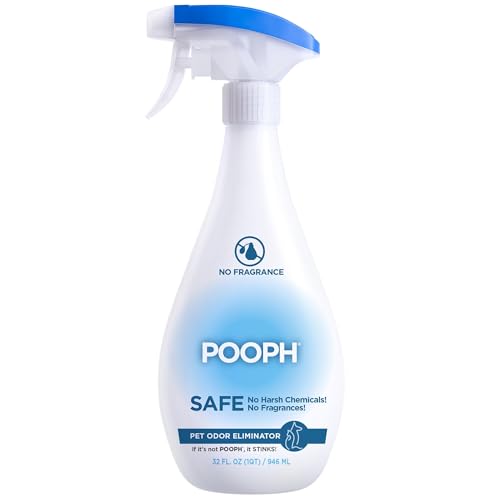
- Pet odor eliminator spray enzymatic cleaner for fabric
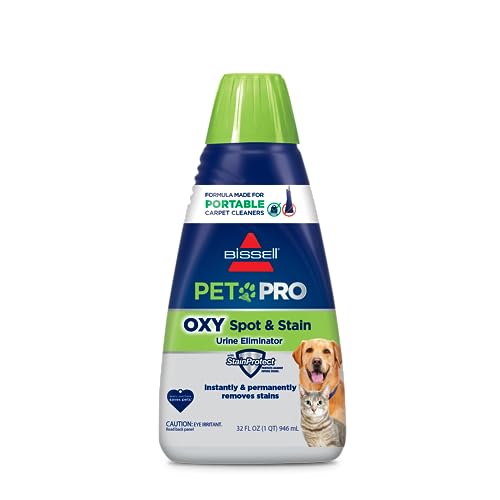
- Portable handheld carpet/upholstery cleaner for pet urine
- Stain remover brush set for fabric pillows
- Microfiber cleaning cloths for pet urine stain removal

Before You Start
Test any cleaner on a hidden area of the pillow first to check colorfastness. If the pillow has a removable cover, consider washing the cover separately according to care labels. For solid cores or memory foam, avoid over-wetting and allow thorough air drying to prevent odor and mildew. Safety notes: use cleaners in a well-ventilated area and keep pets away during treatment. Time estimates vary from 1 to 3 hours depending on fabric and drying conditions.
Step-By-Step: How To Clean Dog Urine From A Pillow
- Blot the affected area with a clean microfiber cloth to absorb as much liquid as possible without rubbing it deeper into the fabric.
- Apply a light mist of enzyme pet urine cleaner spray for pillows directly onto the stain, following the product instructions.
- Gently agitate with a stain remover brush set for fabric pillows to loosen soils, then blot again to lift residues.
- Use a second repeat of the enzymatic cleaner if the odor persists; let it sit for several minutes to activate enzymes.
- If the pillow is washable, launder the cover and rinse thoroughly; for non-washable cores, use a portable handheld carpet/upholstery cleaner for spot treatment.
- Rinse the treated area with a small amount of clean water, then blot until the cloth remains just damp.
- Allow the pillow to air-dry completely in a well-ventilated area; flip occasionally to speed evaporation and prevent mold.
- Once dry, inspect for any remaining odor or stain and repeat treatment if needed before returning the pillow to use.
- Consider applying a light pass with the pet odor eliminator spray enzymatic cleaner for fabric to lock out future odors.
- If odor reappears after drying, repeat the cleaning cycle or replace the pillow insert if damage is suspected.
- Regular maintenance: use a protective cover and clean promptly after any future incidents to extend pillow life.
Troubleshooting
| Symptom | Likely Cause | Fix | Prevention |
|---|---|---|---|
| Persistent odor after drying | Undetected moisture or odor trapped in core | Re-treat with enzymatic cleaner and ensure complete drying | Use breathable covers; allow extra drying time |
| Stain remains after cleaning | Stain set into fibers | Repeat cleaning cycle; use stronger concentration only as directed | Act quickly and blot rather than rub |
| Fabric discoloration | Chemical reaction with dye | Test first; switch to a milder cleaner and rinse thoroughly | Spot-test before full application |
| Water pooling on non-washable cores | Excess moisture trapped in foam | Limit liquid exposure; use minimal damp cleaning and air-dry completely | Choose washable pillow options when possible |
Common Mistakes
- Rubbing the stain, which drives urine deeper into fibers.
- Using cleaners not labeled for pet urine or fabric pillows.
- Failing to dry thoroughly, leading to mildew and odor persistence.
- Over-wetting non-washable pillows, causing core damage.
Sticking to enzyme-based cleaners and proper absorption steps markedly improves results and saves pillow life.
Tips For Best Results
- Act quickly: the sooner urine is treated, the easier it is to remove.
- Always test a small fabric area before full application to avoid discoloration.
- Use enzyme cleaners designed for pet urine; they break down organic compounds that cause odors.
- Prefer breathable pillow covers to speed up drying and prevent mildew.
- Keep cleaning tools clean and sanitary to avoid cross-contamination.
Call A Professional
Consider professional help if the stain covers a large area, the odor persists after multiple cleanings, or the pillow has high-value fabric or delicate filling. Seek expert cleaning services when moisture has penetrated foam cores deeply or if mold growth is suspected.
FAQ
Can I wash a pillow cover with urine stains?
Yes, if the cover is removable and machine washable, use a gentle cycle with an appropriate detergent and a follow-up enzymatic clean for odors.
Is it safe to use enzyme cleaners on memory foam pillows?
Most enzyme cleaners are safe when used as directed; test first and avoid soaking memory foam. Allow thorough air drying.
How long should I let the cleaner sit?
Follow the product label, but typically 5–15 minutes is sufficient for enzymatic action on fabrics.
Should I replace the pillow if odor persists after cleaning?
If repeated cleaning fails to remove odor or if the pillow shows signs of mold or deterioration, replacement is recommended to maintain hygiene.
Can I use a steam cleaner on a pillow?
Steam can help in some cases but may drive urine deeper into the fabric if not used carefully; follow cleaner instructions and fabric care labels.
What about odor on pillow inserts?
Inserts may require dedicated fabric cleaners or replacement if odors are embedded beyond fabric protection.
Buying Guide
When selecting products to tackle pet urine on pillows, consider size, scent preparation, and cleaning strength. A compact, portable handheld carpet/upholstery cleaner helps with embedded stains, while enzyme pet urine cleaner sprays target odors at their source. Choose a pet odor eliminator spray enzymatic cleaner for fabric to complement stain removers and microfiber cloths for delicate surfaces. Look for clear safety instructions and fabric compatibility on labels.
Key buying factors include size (how large an area you typically treat), noise level (handheld devices can be louder than upright models), energy efficiency (battery life or corded power), controls (ease of use and spray patterns), and placement (storing space and accessibility). Compare products based on stain-removal efficacy, odor neutralization, and drying time to find a practical, long-lasting solution.