If you plan to refresh furniture, cabinetry, or decorative pieces, wood veneer adhesive sheets are a fast, mess-free solution. These self-adhesive veneers are ideal for flat surfaces and curves alike, offering real-wood looks with simple application. This guide highlights five top-edge options, explains who each product suits best, and compares features to help you choose confidently.
| Product | Best For | Notes |
|---|---|---|
| Edge Supply Red Oak 24 x 96-inch | Large projects, solid oak grain match | A-grade real wood with peel-and-stick backing |
| Edge Supply Mahogany 24 x 48-inch | Cabinetry reinforcements, mid-sized pieces | A-grade, smooth finish, adhesive back |
| Edge Supply Walnut 24 x 48-inch (0.4 mm) | Thin, flexible repairs on curved surfaces | Ultra flexible, easy to bend without grain split |
| Edge Supply Maple 24 x 48-inch (0.4 mm) | Light-toned repairs, curved or flat surfaces | Thin, bendable, self-adhesive maple veneer |
| Edge Supply Birch 24 x 96-inch | Large-scale refinishing with light-colored wood | Self-adhesive, A-grade birch veneer |
Introduction answer: Real-wood veneer sheets with peel-and-stick backings let you cover surfaces quickly without extra glue. They’re best for homeowners tackling cabinet facelifts, furniture refinishing, and small DIY projects. The following five products balance size, flexibility, and wood tone so you can pick the best match for your project and skill level.
Edge Supply Red Oak Peel-and-Stick Veneer
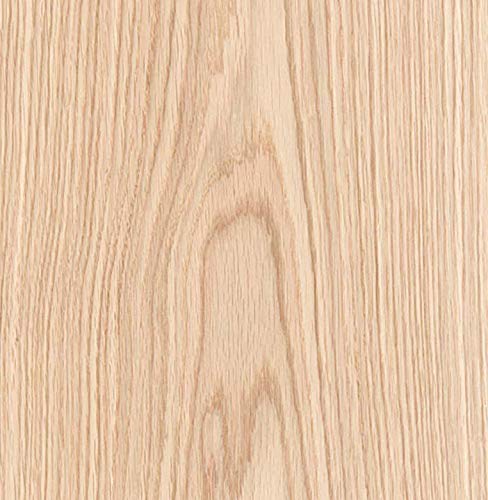
Product overview: Real wood veneer sheet in a 24 x 96-inch size. A-grade red oak with a smooth finish and a self-adhesive back. The sheets are ready to stain to match existing wood tones and can be cut to size with a box knife. They’re designed to bend along curved surfaces without compromising grain integrity. This option is best for larger furniture restorations or cabinet refacing where oak grain alignment matters.
- Best for: Large surfaces and authentic oak grain matching.
- Why chosen: High-quality real wood with adhesive backing simplifies installation.
- Caution: Raw veneer may require careful alignment on complex curves to avoid visible seams.
Edge Supply Mahogany Peel-and-Stick Veneer

Product overview: A 24 x 48-inch mahogany veneer sheet with 3M peel-and-stick backing. This A-grade sheet delivers a warm, classic look suitable for furniture restoration and cabinetry. It’s easy to cut and apply with a scraping tool, making it a practical choice for DIYers working on mid-sized projects.
- Best for: Cabinetry touch-ups and mid-sized furniture pieces.
- Why chosen: Consistent color and grain with a user-friendly adhesive system.
- Caution: Mahogany tones can vary; test a small patch to ensure color match on large runs.
Edge Supply Walnut 0.4 mm Peel-and-Stick Veneer

Product overview: Ultra-flexible 0.4 mm walnut veneer sheet in a 24 x 48-inch format. The thin veneer is designed to bend easily without grain splitting, ideal for curved furniture surfaces and repair work. It comes with a paper backing that peels away to reveal strong adhesion for a secure fit.
- Best for: Curved surfaces and tight curves on furniture or cabinets.
- Why chosen: Excellent flexibility and resilience when bending around edges.
- Caution: Thinner veneer may be more noticeable on highly figured woods if not aligned precisely.
Edge Supply Maple 0.4 mm Peel-and-Stick Veneer

Product overview: Maple veneer at 0.4 mm thickness, 24 x 48 inches, with self-adhesive backing. The veneer is ready to stain and designed to seamlessly match existing furniture or cabinetry. It’s suitable for both flat and curved applications with careful tool use for clean edges.
- Best for: Light-toned refinishing and matching maple furniture.
- Why chosen: Consistent maple color with easy application and trimming.
- Caution: Lighter woods can show adhesive lines if not pressed firmly along seams.
Edge Supply Birch Peel-and-Stick Veneer

Product overview: Birch veneer in a 24 x 96-inch sheet with 3M peel-and-stick backing. Birch offers a light, clean finish with versatile grain patterns suitable for cabinetry and furniture projects. It’s easy to cut, apply, and stain to match existing wood tones.
- Best for: Large-scale projects needing a lighter wood tone with a smooth finish.
- Why chosen: Wide format supports fewer seams on bigger surfaces.
- Caution: Light-colored veneers may require careful alignment to avoid visible seams on complex shapes.
Buying Guide: Wood Veneer Adhesive Sheets
What to consider when choosing
Wood veneer adhesive sheets vary in thickness, grain, and backing. Thicker sheets (around 0.4–0.6 mm) are sturdier for edges and planes, while thinner sheets are easier to bend around curves. Peel-and-stick backing simplifies installation, but you may still need a stiff edge tool or scraping block for a smooth finish.
Finish and tone considerations
Choose a veneer tone that matches or complements your existing wood. Oak and birch provide lighter, neutral looks; mahogany and walnut offer richer, darker tones. If your project includes multiple wood tones, consider sheets with similar grain patterns to minimize contrast.
Surface fit and project size
For large surfaces, select longer sheets to reduce seams. Curved surfaces benefit from flexible, thin veneers that bend without cracking. Always cut to size with a utility knife and test fit before adhesive activation.
Application tips
Prioritize a clean, dry surface. Remove the protective backing gradually while applying the veneer with even pressure. Use a stiff scraper to push out air bubbles and ensure good contact along edges and corners. For stubborn curves, apply heat lightly to improve pliability.
Durability and care
Real-wood veneers can be stained to match surrounding pieces, but proper sealing and finishing protect against wear. Avoid excessive moisture, which can loosen adhesive over time. When in doubt, test a hidden area first to verify adhesion and stain compatibility.
FAQ: Wood Veneer Adhesive Sheets
- Are these sheets durable enough for furniture? Yes, real-wood veneer sheets with strong adhesive backings are designed for furniture restoration and cabinet refacing, offering a durable veneer surface with proper installation.
- Can I bend the veneers on curved surfaces? Yes, many veneers, including 0.4 mm variants, are formulated to bend and flex around curves when applied correctly.
- Do I need additional glue? In most cases, the peel-and-stick backing provides sufficient adhesion on flat surfaces; test on curved areas to determine if extra bonding is required.
- How do I match existing wood tones? Compare the veneer color and grain with your piece and consider staining or finishing to achieve a closer match.
- What tools help with installation? A box knife for cutting, a stiff scraping tool for pressing, and a heat source lightly used to improve pliability on tough curves are helpful.
- Is there a risk of visible seams? Seams can be minimized with careful alignment and full contact along edges; avoid overlapping veneers where possible.