Find the right wood slab with epoxy for your project. This guide highlights five solid options that pair natural slabs with epoxy rivers or inlays, ideal for DIY tables, wall decor, and statement pieces. Each choice suits different spaces and skill levels, from compact coffee-table projects to larger living-room accents. Whether you want a traditional live-edge look or a square, lacquered top, these selections help you pick the best fit for your craft and room.
| Product | Best For | Approximate Size |
|---|---|---|
| BYTIDE Natural Solid Wood Slab Table Top (20″ x 14″ x 2″) | Small coffee/end tables and wall decor | 20″ x 14″ x 2″ |
| BYTIDE Natural Solid Wood Slab Table Top (47″ x 14″ x 2″) | Larger river table or console accents | 47″ x 14″ x 2″ |
| Olive Wood Live Edge Slab (20″ Approx, 12″-24″ range) | Epoxy art and charcuterie display pieces | About 20″ (range 12″-24″) |
| Warmaxx Wood Slice Slab Side Table Top (19.7″ x 13.8″ x 1.96″) | DIY epoxy end tables or benches | 19.7″ x 13.8″ x 1.96″ |
| BYTIDE Natural Solid Wood Slab Table Top (16″ x 16″ x 2″) | Compact square tables and wall accents | 16″ x 16″ x 2″ |
BYTIDE 20″ x 14″ Live Edge Wood Slab Top
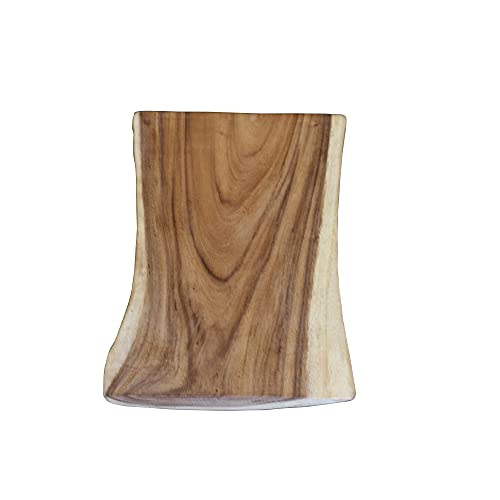
Best for small coffee tables or end-table projects. The slab’s natural grain and live-edge charm create a rustic centerpiece when paired with epoxy river accents. It is handmade and finished with a natural lacquer, offering a ready-to-finish surface for resin work. A key limitation is that wood color and grain vary by piece, so expectations should account for natural variation.
BYTIDE 47″ x 14″ Live Edge Wood Slab Top

Best for larger epoxy river tables or striking wall-mounted pieces. Its generous length supports dramatic resin effects and a prominent epoxy edge. The same handmade finishing process applies, with natural variations in shape and color. Choose this if you want a statement slab that anchors a room or fills a dramatic tabletop area.
Olive Wood Live Edge Slab (20″ Approx)

Best for epoxy art projects and unique display pieces. These root burl slices feature rare grain patterns that create eye-catching epoxy rivers or inlays. They are flattened and sanded, ready for resin work or oil finishes. A potential limitation is their natural voids and cracks, which contribute character but may affect uniformity in large flat pours.
Warmaxx Wood Slice Slab End Table Top

Best for DIY end-table projects with a natural edge. The slab is a solid, untreated base suitable for epoxy resin work. It is handmade, with dimensional specs close to standard side-table scales. One caveat is that the finish may require additional sealing or waxing depending on the epoxy application and room humidity during curing.
BYTIDE 16″ x 16″ Live Edge Slab Top

Best for compact square tables or decorative wall accents. This smaller slab offers the same handmade quality and lacquer finish. Its uniform shape makes it easier to align epoxy rivers in symmetry or to use as a centerpiece on a console. A limitation is the reduced surface area for larger epoxy pours.
Buying Guide: Wood Slab With Epoxy Best Practices
- What size do you need? Measure the intended space and consider the epoxy footprint. Smaller slabs suit coffee tables, while longer slabs work for console or dining setups.
- What wood tone and grain matter? Natural variations give character but may affect color matching with epoxy. Choose a slab that complements your resin color and room palette.
- How does live-edge influence epoxy design? Live edges create organic rivers or inlays. Plan your epoxy pour to emphasize the natural outline rather than fight irregular shapes.
- What about finishing and sealing? Most BYTIDE slabs are finished with lacquer, while olive and other woods may benefit from oil or resin-compatible sealants before pouring epoxy.
- When should you avoid certain slabs? If you need perfect flatness for a heavy countertop, slabs with obvious holes or voids may require additional planing or filling work before resin pours.
- How to care after project completion? A soft cloth and mild cleaner are typically enough; avoid harsh chemicals that can degrade epoxy or wood finishes over time.
Frequently Asked Questions
- What makes epoxy resin good for wood slabs? Epoxy creates a durable, glossy, water-resistant surface that highlights wood grain and can fill cracks or voids for a river or map-like effect.
- Are these slabs ready to epoxy right away? Most are finished and prepared for resin projects, but surface prep like cleaning and light sanding may be needed for best results.
- Can I mix different woods with epoxy rivers? Yes, but color matching and grain contrast should be planned to avoid jarring transitions.
- What should I consider for large river tables? Plan the resin pour to balance weight, curing time, and the thickness needed to achieve a strong, even finish.
- Is natural variation a concern? Variation is expected and part of the rustic charm; specify tolerance for size and grain when ordering if possible.
- Do these slabs require special tools? Basic sanding and finishing tools plus standard epoxy supplies are typically sufficient for most DIY river-table projects.