Looking for a reliable wood sealer pump sprayer? This guide highlights five top options that balance durability, spray quality, and ease of use. Each choice suits different buyers—from DIY hobbyists to pro-grade users—so you can pick the one that best fits your project size, chemical use, and comfort level. Below, you’ll find concise summaries, why each product stands out, and practical buying tips.
Summary Table of Selected Products
| Product | Brand | Best For | Key Strength |
|---|---|---|---|
| HD Hudson 70151B Favorite Home & Garden 1 Gallon Sprayer | Hudson | Budget-friendly, general wood sealing | Translucent tank, corrosion-resistant poly design |
| Smith Performance Sprayers 190447 2 Gallon Bleach Sprayer | Smith Performance Sprayers | Harsh chemicals, heavy-duty projects | Sturdy components, high chemical resistance |
| Battery Powered Garden Sprayer 1.8 Gallon — Tarden | Tarden | Hands-free pumping, larger yards | Rechargeable, adjustable nozzles, telescopic wand |
| Wagner Control Spray QX2 HVLP | Wagner | Even coating on wood fences and decks | HVLP, fast application, multiple spray patterns |
| Tilswall Paint Sprayer | TILSWALL | DIY painting with varied materials | Three nozzles, adjustable flow, beginner-friendly |
HD Hudson Favorite Home & Garden 1 Gallon Sprayer

The Hudson 70151B is a lightweight, budget-friendly option ideal for small to medium wood sealing projects. Its 1-gallon translucent tank helps you monitor liquid levels, while a 34-inch reinforced hose provides reach for tight spaces. The all-poly construction resists corrosion, making it suitable for sealants and simple wood finishes. Best for occasional homeowners or DIYers who want a straightforward pump sprayer without extra frills. Caution: not designed for high-pressure or heavy chemical use beyond standard sealants.
Smith Performance Sprayers 2 Gallon Bleach Sprayer
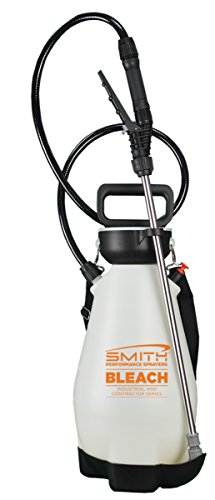
Smith Performance Sprayers 190447 is designed for pros and serious projects requiring superior chemical resistance. It uses durable components with a stainless steel wand and Viton seals to handle bleach and other harsh cleaners, reducing maintenance. The 2-gallon capacity supports larger tasks without frequent refills. Best for contractors or avid DIYers who seal and clean wood with stronger chemicals. Limitation: higher price and heavier weight compared to smaller pumps.
Battery Powered Garden Sprayer — Tarden 1.8 Gallon
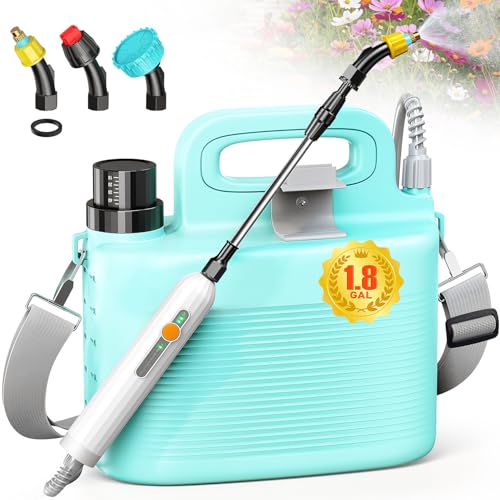
The Tarden 1.8-gallon sprayer uses a USB-rechargeable battery and a high-efficiency motor for continuous spraying. It’s excellent for long sessions without manual pumping, ideal for larger wood sealing jobs or frequent outdoor use. Three spray modes and a telescoping wand extend reach and versatility. Best for homeowners who want ease of use during extensive sealing tasks. Caution: ensure the battery is charged and maintained for optimal runtime.
Wagner Spraytech 2419326 Control Spray QX2 HVLP

Wagner’s Control Spray QX2 HVLP is designed for smooth finishes on wood surfaces like fences and decks. It delivers two times faster coverage than a brush and faster-than-brush results with consistent results and three spray patterns. It’s well-suited for light to medium staining tasks on wood. Choose this if you want quick, even coats with minimal brush marks and you’re working with water-based or lighter finishes. Limitation: not ideal for heavy-bodied sealers or very thick coatings.
Tilswall Paint Sprayer — 1000mL Container
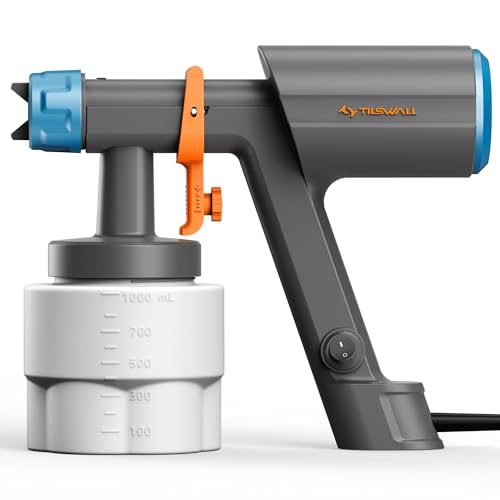
The Tilswall sprayer offers versatility with three nozzles and spray patterns, making it suitable for furniture, cabinets, walls, fences, and DIY painting. It includes emphasized notes on dilution, cleaning after use, and trigger screws to prevent air leaks. Best for hobbyists who want a flexible tool for various project types. Limitation: good for lighter finishes; may require thinning for thicker sealants.
Buying Guide: Wood Sealer Sprayer Essentials
- Capacity and duty cycle: For small projects, a 1–2 gallon sprayer reduces refills. For larger areas, consider 3 gallons or more, and check the pump’s efficiency to minimize pumping effort.
- Chemical compatibility: If you plan to use bleach, solvents, or harsh sealants, prioritize sprayers with Viton seals and corrosion-resistant components.
- Spray pattern and control: Adjustable nozzles and multiple spray patterns improve coverage on irregular wood surfaces. HVLP systems reduce overspray and waste.
- Power source: Manual pumps are lightweight but require pumping; battery-powered models enable longer sessions without fatigue, at the cost of weight and charging needs.
- Maintenance and cleaning: Look for easy disassembly and clear instructions for flushing after use to prevent clogging when switching sealers.
- Ergonomics and handling: Telescopic wands, comfortable grips, and balanced weight distribution improve control on tall or vertical surfaces.
- Intended use: Some sprayers are optimized for heavy-duty chemicals; others are best for water-based finishes. Match the tool to your project type and finish.
Frequently Asked Questions
- What should I look for in a wood sealer sprayer? Look for chemical compatibility, spray pattern options, capacity, and ease of cleaning. Consider whether you need battery assist for longer projects.
- Are HVLP sprayers better for wood finishes? Yes, HVLP models provide finer, even coats and reduce overspray on wood surfaces, making them ideal for sealing and staining.
- Can I use bleach or harsh chemicals in these sprayers? Only if the sprayer is rated for the chemical and has compatible seals. Always check manufacturer guidance.
- Which sprayer is best for DIY homeowners? A lightweight, 1–2 gallon model with adjustable nozzles is usually sufficient for small decks or furniture projects.
- Do I need a battery-powered sprayer for wood sealing? Battery-powered sprayers are convenient for larger or multi-day projects but add weight and require charging infrastructure.
- How do I clean a sprayer after sealing wood? Rinse with water or the appropriate solvent recommended by the manufacturer, disassemble as directed, and run a rinse cycle to prevent clogging.