When choosing a wood deck preservative coating, the goal is durable protection that dives into wood fibers, resists moisture, and helps prevent rot and insect damage. The top picks below are best for different deck types: pressure-treated pine, hardwood, and coastal or high-moisture areas. Use this guide to compare penetrating sealers, waterproofer stains, and heavy-duty coatings. The table summarizes which product fits which use case.
| Product | Best For | Key Benefit |
|---|---|---|
| Zinsser 01904A Wolman, WoodLife Coppercoat | Pressure-treated lumber | Deep penetration and rot/termite resistance |
| Thompson’s WaterSeal Multi-Surface | All-around outdoor wood | Waterproofing with clear stain look |
| SEAL-ONCE Marine Penetrating Wood Sealer | Coastal or high-moisture areas | Ultra-low VOC, waterproofer and stain |
| Liquid Rubber Polyurethane Deck Coating | Wet areas and high-traffic decks | Textured, grip-focused, waterproof coating |
| Rust-Oleum Wolman Classic Preservative | Above-ground wood | Classic clear protection for exterior wood |
Zinsser 01904A Wolman, WoodLife Coppercoat

This product is best for pressure-treated lumber requiring long-term protection. It penetrates deeply into wood fibers to help resist rot, decay, and termites. It is suitable for outdoor decks that face moisture exposure and insect pressure. Choose this if you need strong, long-lasting protection on exterior wood that experiences seasonal moisture and potential termite risk. A limitation is that it may require multiple coats for best results on very porous or heavily weathered wood.
Thompson’s WaterSeal Multi-Surface

This product is well-suited for general outdoor wooden decks and surfaces that need a clear, water-repellent finish. It combines a sealant with a stain-like appearance, offering moisture resistance while preserving a natural look. Best for decks where the appearance matters but you want straightforward application. A potential limitation is that it may require reapplication after heavy weather or seasonal wear to maintain the protective barrier.
SEAL-ONCE Marine Penetrating Wood Sealer

Best for high-moisture areas or coastal decks, this sealer penetrates wood fibers and provides a waterproofer plus stain in one. Its ultra-low VOC formulation is advantageous for indoor-outdoor projects and sensitive environments. Choose this for decks near water, in humid climates, or where low odor is important. A limitation is that surface texture may remain smoother rather than highly textured after sealing.
Liquid Rubber Polyurethane Deck Coating
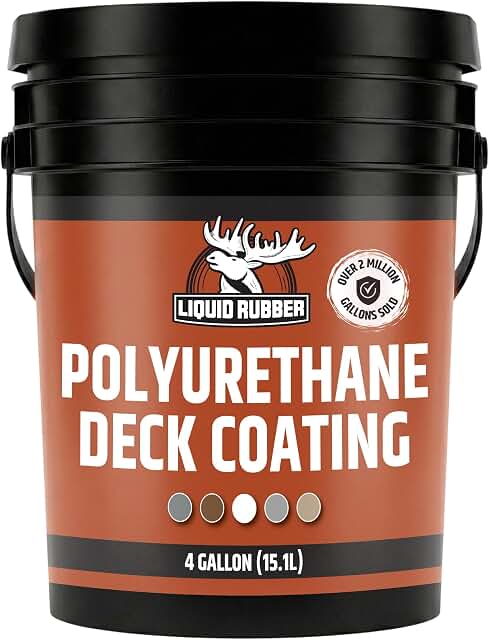
This textured coating provides a strong waterproof barrier and added grip, making it suitable for wet decks, stairs, docks, and heavily trafficked outdoor areas. It is best for projects needing a robust, uniform layer that resists water exposure and offers traction. The main caveat is that it forms a thicker layer; surface prep and dry time are important for optimal adhesion and durability.
Rust-Oleum Wolman Classic Clear Wood Preservative

Best for above-ground wood projects requiring clear protection without altering the natural grain. This quart preservative helps shield exterior wood from moisture and decay. Choose this if you want a traditional, transparent safeguard for wooden surfaces. A limitation is that it may offer less stain or color depth compared with some sealers that include pigment or tint.
Buying Guide
Key considerations help narrow choices for wood deck preservative coatings. This section outlines factors to compare and questions to ask before buying.
- Wood type and exposure: Is your deck pressure-treated lumber, cedar, or tropical hardwood? Coastal or humid environments demand water repellents with strong moisture resistance.
- Penetration vs. film: Do you prefer deep-penetrating sealers that soak in, or surface coatings that form a protective film? Penetrating formulas often last longer on porous woods, while films can provide visible color or texture.
- Finish and appearance: Do you want a clear finish, a tinted stain, or a textured coating for grip? Pigmented products can reduce graying and improve UV protection, while clear options preserve natural color.
- VOC and odor: Are low-VOC options important for air quality or indoor-outdoor projects near living areas? Ultra-low VOC products are common in coastal and residential use.
- Maintenance cycle: How often will you reapply? Some products require reapplication after weather events, while others offer longer lifespans with correct prep.
- Application and cure time: Do you need fast-drying formulas for quick outdoor use, or longer cure times for thorough penetration? Follow manufacturer directions for prep and priming if needed.
Frequently Asked Questions
- What is the difference between penetrating wood sealers and deck stains?
Penetrating sealers soak into fibers for moisture resistance; deck stains add color and a protective layer on the surface. - Can I apply these products on previously painted decks?
Some can be applied over existing coatings after proper cleaning and sanding; check product guidelines for compatibility. - How long should a deck coating dry before foot traffic?
Dry times vary; follow label recommendations, typically from several hours to a day for full cure. - Are low-VOC options as durable as traditional formulas?
Many are. Durability depends on exposure, prep, and maintenance; read product specs for performance notes. - Which product is best for coastal decks?
SEAL-ONCE Marine and similar high-moisture-rated sealers are designed for humid or near-water environments. - Is a clear preservative sufficient for protection?
Clear products protect against moisture but may require more frequent reapplication in harsh conditions than tinted options.