Direct answer: wipe-on poly finishes are ideal for quick, even application on furniture, cabinets, and decorative wood projects, especially when you want a smooth hand-rubbed look without brush marks. This guide compares matte or satin wipe-on poly options, highlighting who each product is best for, plus practical tips and a concise buying guide. The top picks cover both oil- and water-based formulas to suit odor, dry time, and durability needs.
| Product | Finish Type | Best For | Approx. Coverage |
|---|---|---|---|
| Fusion Mineral Paint Tough Coat Matte Wipe-on Poly | Matte | Low-odor projects in living areas | ~75 sq ft |
| Minwax Water-Based Wipe-On Polyurethane, Satin, 1 Pint | Satin (Water-based) | Low odor, quick cleanup | Varies by surface |
| Minwax Oil-Based Wipe-On Polyurethane, 1 Pint, Satin | Satin (Oil-based) | Classic, durable hand-rubbed look | Varies by surface |
| ColorTone Wipe-On Poly Finish, 8-oz Bottle | Water-based | Non-aerosol friendly finishes | Small projects |
| Minwax 409160000 Wipe-On Poly, Pint, Gloss (Water Based) | Gloss (Water-based) | Clear, modern sheen | Varies by surface |
Fusion Tough Coat Matte Wipe-On Poly

Best for small-to-medium projects where a true matte look is desired without a heavy plastic sheen. The matte finish dries to a soft, unobtrusive appearance suitable for furniture, frames, and decorative pieces. It is a wipe-on formula that aims for a hand-rubbed aesthetic with relatively straightforward application. This option suits buyers who prefer a low-odor, quick-drying choice and do not need high-gloss protection. A potential limitation is coverage: approximately 75 square feet, so larger pieces may require multiple coats or a larger container.
Minwax Water-Based Wipe-On Satin, 1 Pint
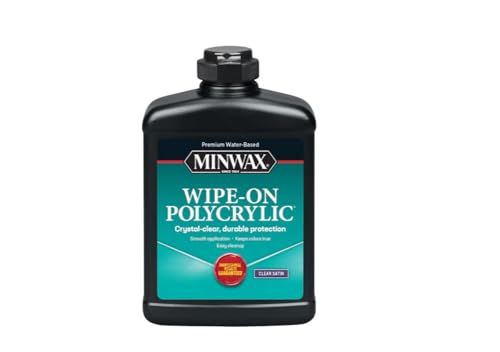
This water-based wipe-on poly offers low odor and easy cleanup, making it a good pick for indoor projects where odors may be a concern. It provides durability with a satin sheen, which hides minor imperfections better than high gloss. Best for lighter-duty surfaces like cabinetry, frames, and craft projects. The formula dries quickly, enabling faster project turnaround. Best used where a subtle satin finish is desired and cleanup is a priority. Limitation: water-based wipe-ons can raise concerns about durability on heavily used surfaces over long periods depending on exposure.
Minwax Oil-Based Wipe-On Satin, 1 Pint

Choose this oil-based wipe-on satin for a traditional, hand-rubbed look with robust protection against moisture and wear. It creates a deeper, warmer appearance on wood and is known for durable performance in high-traffic items like furniture and tabletops. The wipe-on method minimizes drips and brush marks, simplifying the finish process. Best for projects where a durable, classic satin finish is desired. Caution: oil-based finishes typically require solvent cleanup and longer cure times than water-based options.
ColorTone Wipe-On Poly Finish, 8-Oz

This water-based option is a practical alternative when solvent-based finishes are unsuitable. It works on bare wood as a primary finish or over repairs to add durability and improve appearance. It applies easily with a soft cloth or foam brush, making it accessible for DIYers. Best for small to medium projects that require a quick, user-friendly wipe-on approach. Limitation: 8-oz bottle may require more frequent reapplication on larger pieces.
Minwax Wipe-On Poly, Water-Based, Pint, Gloss

This water-based wipe-on gloss provides a durable finish with a bright, clear look. It’s easy to apply by wiping on with a clean cloth, reducing brush marks and drips. Suited for furniture, cabinets, and interior wood surfaces where a glossy, modern appearance is preferred. Consider this option if you desire a high-gloss finish with simpler cleanup. Potential limitation is that gloss can show more surface imperfections in certain lighting.
Minwax Oil-Based Wipe-On Gloss, 1 Quart

This oil-based wipe-on gloss delivers durable protection with a classic hand-rubbed look and glossy sheen. It’s designed to shield wood surfaces against water, chemicals, and wear. Best for heirloom furniture and high-traffic areas where durability matters. Choose this if you prefer a durable gloss finish and feel comfortable with oil-based cleanup and longer dry times. Limitation: oil-based products typically have stronger odor and longer cure times than water-based options.
Buying Guide for Wipe-On Poly Finishes
- Finish type: Choose water-based for low odor and easy cleanup; oil-based for deeper color and longer-lasting protection.
- Sheen level: Matte/Satin hides imperfections better; Gloss adds brightness and reflects more light.
- Surface compatibility: Consider whether the project is bare wood, stained wood, or a repaired area.
- Application method: Wipe-on finishes are typically forgiving, reducing brush marks but requiring even pressure to avoid streaks.
- Dry time and cure: Water-based options dry quickly but may require more coats; oil-based options cure slower but can be more durable.
- Odor and cleanup: Water-based finishes tend to have lower odor and soap-and-water cleanup; oil-based often require mineral spirits.
- Usage area: For furniture and cabinetry in living spaces, matte or satin can minimize glare; for decorative pieces, gloss may be preferred for a polished look.
Frequently Asked Questions
- What is wipe-on poly best used for?
Wipe-on poly is best for furniture, cabinets, frames, and small wood projects where a smooth, hand-rubbed look is desired with minimal brushing.
- Do water-based wipe-ons dry faster than oil-based?
Yes. Water-based wipe-ons typically dry faster and are easier to clean up with soap and water.
- Which finish is most durable?
Oil-based wipe-on poly generally offers longer-lasting protection and a warmer tone, though modern water-based formulas can be very durable as well.
- Can wipe-on finishes be used over stained wood?
Yes, wipe-on poly can be applied over stained wood to seal and protect the surface while preserving the color.
- Is a glossy wipe-on finish harder to apply evenly?
Gloss finishes can show brush or wipe marks more readily; using a clean, lint-free cloth and even pressure helps achieve a uniform coat.
- How many coats should I apply?
Typically 2–3 coats are recommended, with light sanding between coats for best adhesion and a smooth finish.