All five products below provide waterproof coating for concrete ponds and are designed for underwater or outdoor use. They are suitable for fish and plant-friendly environments and aim to adhere well to damp or primed surfaces. This guide targets pond owners seeking durable, non-toxic epoxy or acrylic coatings that resist water, UV, and weather. The top picks cover clear and colored options, with notes on best uses and potential limitations for each scenario.
| Product | Color / Type | Best For | Key Benefit |
|---|---|---|---|
| Pond Armor Sky Blue QT | Sky Blue (Non-Toxic) | Underwater or decorative ponds | Self-priming with fish-safe formula |
| Pond Armor Clear QT | Clear (Non-Toxic) | Transparent coating over existing surfaces | Non-toxic, underwater-safe, easy maintenance |
| Pond Armor Competition Blue QT | Blue (Non-Toxic) | Underwater or visible features | Vivid color with durable epoxy film |
| Dyco Waterborne Acrylic Pool Paint | Ocean Blue | Pools, concrete decks, masonry | UV-resistant, long-lasting protective layer |
| Pond Armor Black QT | Black (Non-Toxic) | Underwater or decorative ponds | Clear, reliable adhesion with a hiding efficiency |
Pond Armor Sky Blue Non-Toxic Epoxy Paint
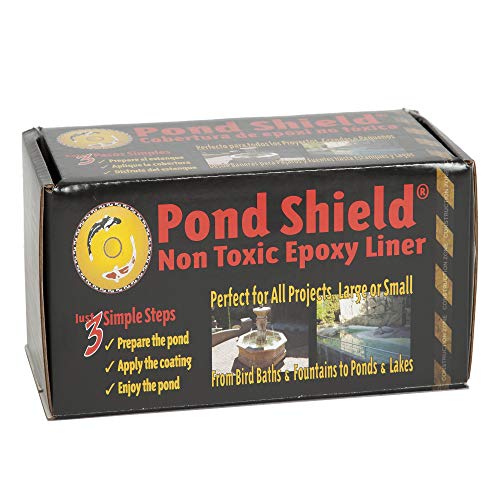
Best for: Pond owners who want a visible blue finish with a fish-friendly epoxy coating. This product is designed for underwater use and claims non-toxicity, making it suitable for ponds with aquatic life.
Why selected: The formulation emphasizes waterproof performance across hot and freeze-thaw environments, along with self-priming adhesion, which simplifies application on concrete surfaces that may be damp or uneven.
Caution: As with any epoxy paint, ensure surfaces are properly prepped and allow adequate curing in controlled conditions to maximize adhesion and longevity.
Pond Armor Clear Non-Toxic Epoxy Paint

Best for: Ponds that require a transparent protective layer over existing surfaces or decorations, without altering color.
Why selected: This clear coating shares the same waterproof and underwater-safe credentials, with self-priming adhesion to simplify application on underwater or damp concrete surfaces.
Limitation: A clear finish may reveal surface imperfections more readily than colored coatings, so surface prep matters for a uniform look.
Pond Armor Competition Blue Non-Toxic Epoxy Paint
Best for: Aquatic displays or ponds where a bold blue accent is desired while maintaining waterproof integrity.
Why selected: The product profile highlights underwater suitability and a self-priming formula, which helps ensure reliable adhesion on surfaces that will be constantly in contact with water.
Caution: Color intensity may vary with multiple coats; follow recommended cure times for best results in outdoor conditions.
Dyco Waterborne Acrylic Pool Paint Ocean Blue

Best for: Concrete pools, ponds, and masonry surfaces where a durable, UV-resistant acrylic coating is preferred.
Why selected: This waterborne acrylic is designed to hold up to sun exposure and chemical use, offering a tile-like finish that helps protect hairline cracks and provides long-lasting color.
Limitation: May require multiple coats for optimal opacity on darker or heavily stained surfaces; ensure proper ventilation during application for indoor use.
Pond Armor Black Non-Toxic Epoxy Paint

Best for: Ponds where a low-visibility, dark finish is preferred while maintaining waterproof protection and underwater safety.
Why selected: The black variant provides the same water resistance and non-toxicity claims as other Pond Armor products, with suitability for underwater use and self-priming adhesion.
Limitation: Dark finishes may show algae or mineral deposits more readily; regular maintenance may be needed to keep appearance clean.
Buying Guide: Key Considerations For Waterproof Concrete Pond Coatings
What coating type fits your pond best? Epoxy paints offer strong waterproofing and abrasion resistance, often with faster cure times. Acrylic-based coatings provide greater flexibility and UV resistance, useful for outdoor climates. For underwater use, prioritize non-toxic formulations that are fish-safe and plant-safe to protect aquatic life.
Is surface prep important? Yes. Clean, dry, and sound surfaces enhance adhesion. For damp or previously painted surfaces, self-priming products can help, but lightly sanding or wiping away efflorescence improves results.
What color do you prefer? Colors like blue or black can enhance aesthetics or hide deposits, while clear coatings preserve the original surface appearance. Consider how color impacts algae visibility and maintenance needs.
What climate considerations apply? In regions with freeze-thaw cycles, select products rated for such environments to minimize cracking and peeling over time.
How many coats are recommended? Most pond coatings benefit from two coats for uniform coverage and optimal waterproofing. Allow appropriate cure times between coats according to product instructions.
Maintenance implications: Some coatings resist staining and chemicals better than others. Regular inspection for peeling, cracking, or worn areas helps extend pond life and reduce future repair costs.
FAQ
- What is the safest coating for fish ponds? Answer: Look for epoxy or acrylic pond coatings that are explicitly labeled non-toxic and fish-safe, especially those designed for underwater use.
- Can I apply these coatings over existing paint? Answer: Yes, if the surface is clean, stable, and dry; some products are self-priming, which aids adhesion on old coatings.
- Do I need a primer? Answer: Many pond paints offer self-priming formulas, but priming can improve adhesion on smooth or porous surfaces.
- How long does curing take? Answer: Cure times vary by product; follow the label for re-coating windows and full cure durations, especially in humid or cool conditions.
- Will colors fade in sun exposure? Answer: UV-resistant formulations help limit fading, but some shades may show more wear over time; consider UV-stable options for outdoor ponds.
- Is a clear coating better than color for ponds? Answer: Clear coatings protect the surface without altering appearance, but colored coatings enhance visibility and aesthetic impact.