Answer: For quick, clean, and durable tile updates, use adhesive tile sheets or mats designed for wall applications. These options suit renters, DIY remodelers, and homeowners who want a mess-free alternative to mortar-based tiling. The top picks below are chosen for reliable adhesion, ease of installation, and long-lasting results. This guide highlights who each product is best for and why, plus practical buying tips and a concise FAQ.
| Product | Best For | Why It Stands Out |
|---|---|---|
| MusselBound Adhesive Tile Mat | Repairs or fresh installs; value-focused projects | Double-sided mat with spacers; years of proven use |
| Art3d Adhesive Tile Setting Mat | Crafts, DIY decor, classroom or studio projects | Versatile, residue-free and heat/water resistant |
| Chejiaye Marble Peel & Stick Panels | Bathroom/kitchen updates with a marble look | PVC foam panels with waterproof, heat-resistant design |
| STICKGOO Peel & Stick Backsplash Tiles | Higher coverage and thicker option for durable backsplashes | 3X stronger backing glue for reliable adhesion |
MusselBound Adhesive Tile Mat With Spacers
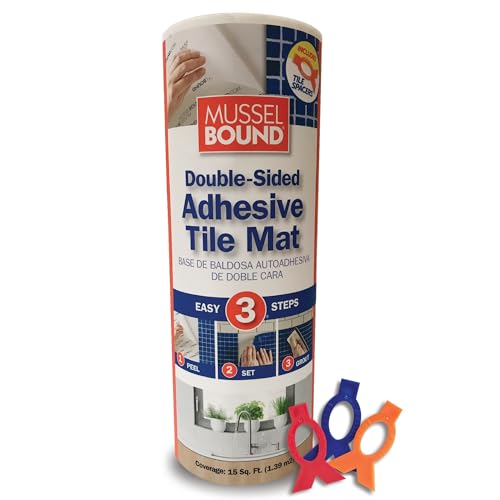
MusselBound offers a proven, mess-free alternative to mortar with a double-sided adhesive system and custom spacers. Coverage is about 15 square feet per roll, and the kit emphasizes easy peel-and-stick installation followed by grouting. Best for remodelers seeking speed and lower overall material costs on real wall tile projects.
Best for: Homeowners and DIYers replacing old tile or installing new real tile without mortar. It’s a cost-conscious option for those who want a simpler install while achieving a professional tile look.
Why selected: Long track record (millions of square feet installed and 15-year history) indicates reliability and a mature installation process with dedicated spacers.
Caution: Ensure the surface is clean, dry, and structurally sound; moisture or loose substrates can affect adhesion over time.
Art3d Adhesive Tile Setting Mat
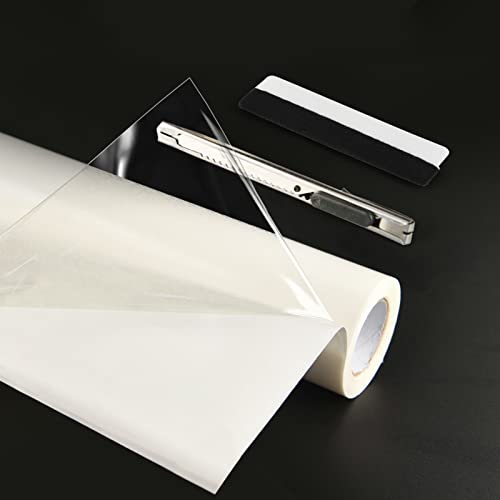
Art3d’s tile setting mat doubles as a versatile adhesive surface for a range of tile types, including self-adhesive and non-adhesive tiles. It emphasizes strong adhesion, heat and water resistance, and residue-free removal. Ideal for crafts, classrooms, and DIY decor projects where a tidy, damage-free finish is desired.
Best for: Projects that require flexibility, including crafts and classroom uses where residue-free removal matters.
Why selected: Its dual-use capability and clean removal help avoid damage to walls while enabling easy adjustments during installation.
Caution: Suitable surfaces should be clean and dry; very textured surfaces may reduce adhesion in some cases.
Chejiaye Marble Peel & Stick Panels

Chejiaye’s peel-and-stick panels deliver a marble-inspired aesthetic with a thick PVC foam layer. They’re waterproof and heat-resistant, designed for kitchens and bathrooms. The finish resembles real marble without the weight or cost of natural stone. Best for quick, stylish updates without grout lines.
Best for: Quick decorative upgrades in kitchens and bathrooms where a marble look is desired but real marble isn’t practical.
Why selected: Waterproof and heat-resistant properties extend the lifespan in moisture-prone zones, while the self-adhesive backing simplifies installation.
Caution: Not suitable for high-humidity showers; designed for walls and dry interiors.
STICKGOO 10-Sheet Peel & Stick Backsplash Tiles

STICKGOO offers thicker, self-adhesive tiles with broad coverage. Each tile measures 11.8″ x 11.8″, and the set provides 40% more area than some 10″x10″ options. A strong backing glue ensures reliable adhesion to smooth, clean, lightly textured surfaces. Best for larger backsplash projects seeking a durable and substantial feel.
Best for: Quick, expansive backsplash updates with solid coverage and a durable feel.
Why selected: The thicker design combined with higher coverage makes this a strong option for visible wall areas where durability matters.
Caution: Not all textures or paints on walls will accept adhesive tiles equally well; prep is key for best results.
Buying Guide: Key Purchase Considerations
- Surface compatibility: Most adhesive sheets work best on clean, dry, smooth or lightly textured walls. Some options are not recommended for high-humidity zones or shower enclosures.
- Durability vs. ease: Thicker tiles and panels tend to offer more durability but may be harder to cut or align. Lighter sheets are easier for beginners but may require careful handling.
- Moisture resistance: For kitchens and bathrooms, look for waterproof or water-resistant materials to extend lifespan and prevent staining or warping.
- Adhesive quality: A strong backing improves long-term adhesion, especially on larger surfaces or in rooms with laminate or painted walls.
- Aesthetic goals: Realistic marble looks or tile textures add depth. Consider whether you want a high-gloss, matte, or textured finish to match existing decor.
- Removability and future updates: If you anticipate future redesigns, choose products that are easy to remove without wall damage or residue.
- Installation experience: Some products require grouting after installation; others are grout-free. Plan for the finishing steps accordingly.
FAQ
- Are adhesive tile sheets permanent? Many are designed for long-lasting use on clean surfaces, but some can be removed with minimal wall damage depending on wall prep and adhesives used.
- Can I install these over existing tiles? In most cases, a smooth, clean surface is best. If existing tiles are loose or uneven, you may need to remove or flatten them first.
- Do I need grout with these products? Some products require grout to finish real tile installations; others are grout-free exceptions designed to mimic tile while saving time.
- Will these tiles peel off in high humidity? Moisture-prone areas may reduce adhesion over time; select products explicitly rated for moisture resistance in kitchens and bathrooms.
- Are these options heat-resistant? Many are designed to resist heat exposure, but verify specifications for your specific environment, especially behind stoves or near heat sources.
- How do I cut or trim the sheets to fit? Use standard utility knives or scissors, with careful scoring and straight edges; follow product-specific guidelines for best results.