Answering the search for transparent oil colors ideal for glazing, this guide highlights top options that deliver clean transparency, strong tinting strength, and smooth glaze performance. Best for seasoned oil painters seeking depth in layers, these picks cover single-pigment hues, high pigment concentration, and precise viscosity. The top products are suited for artists aiming for luminous glazes, subtle tonal shifts, and predictable mixing across projects.
| Product | Main Benefit | Best For |
|---|---|---|
| Winsor & Newton Artists’ Oil Paint, Transparent Brown Oxide | Single pigment color with strong tinting and smooth glaze potential | Controlled glazing with earthy neutrals |
| Rembrandt Oil Colour Paint, Transparent Oxide Red 378 | Extra-fine color, high pigment concentration for glazing | Expressive fine art glazing with lasting brightness |
| Gamblin Artist Oil 37Ml Trans Earth Yellow | Transparent Yellow Ochre, excellent for glazing | Warm glaze layers and luminous skin tones |
| Gamblin 1980 Oil Colors – Transparent White 37ml | Transparent white offering glazing versatility | Glazing highlights and light control |
| Golden Acrylic Glazing Liquid Gloss | Increases translucency and working time for acrylic glazing | Acrylic glazing compatibility and extended blending |
Winsor & Newton Transparent Brown Oxide Oil Color
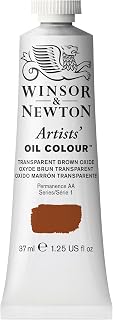
Product overview: This oil color uses single pigment chemistry to deliver clean, accurate mixing with excellent tinting strength. It is designed to perform well whether applied thickly or thinned into a glaze, allowing for precise control over depth and warmth in layered paintings.
Best for: Artists who want a reliable brown-oxide hue for glazing, especially when building mid-tones and neutrals in portraits or still lifes. The single pigment approach minimizes color drift during multiple glaze passes.
Why selected: It emphasizes pigment purity and predictable mixing, which is essential in glazing where subtle tonal shifts matter more than opaque coverage.
Caution/limitation: As with any single-pigment oil, the working characteristics can vary slightly with drying times and solvent choices; test a small glaze before committing to a large area.
Rembrandt Oil Colour Paint, Transparent Oxide Red 378

Product overview: This extra-fine oil color offers a high pigment concentration designed for glazing and fine art techniques, supporting smooth, controlled applications with strong color brightness.
Best for: Painters who need rich red glaze layers with long-term color stability and dependable brush response for glazing over underpaintings or color-massing tasks.
Why selected: High pigment concentration helps achieve transparent yet vivid glaze results, which is highly valuable for depth in landscapes and portraits.
Caution/limitation: The formulation is professional-grade; it may require slightly longer open time depending on medium and temperature.
Gamblin Artist Oil 37Ml Trans Earth Yellow

Product overview: This transparent yellow ochre is ideal for glazing, offering warmth and a gentle luminosity that blends well with other glazes to create natural skin tones and sunlit areas.
Best for: Artists seeking natural warmth in glazing layers, especially when building tonal shifts in portraits, landscapes, and still lifes.
Why selected: Transparent earth yellow is a glaze-friendly hue that can carry subtle shifts in value without overpowering underlying colors.
Caution/limitation: As with earth tones, it may appear different when mixed with other pigments; test combination swatches before major applications.
Gamblin 1980 Oil Colors – Transparent White 37ml

Product overview: Transparent White provides glaze-building capability, enabling subtle lightening of underlying tones and control over glaze strength without doubling opacity.
Best for: Artists who want to maintain luminous glazing effects while avoiding heavy white opacity, useful for glazing skin tones and skies.
Why selected: Transparent whites are essential for glazing systems where you need to adjust value and temperature without sacrificing depth.
Caution/limitation: The glaze strength depends on the thickness of the layer; multiple thin glazes yield the most predictable results.
Golden Acrylic Glazing Liquid Gloss

Product overview: Although not an oil color, this glazing liquid enhances translucency and working time for acrylic glazing, offering a compatible option for artists who mix media or explore acrylic glazing techniques.
Best for: Acrylic painters or mixed-media artists needing extended blending windows and deeper glaze layers with a gloss finish.
Why selected: It complements traditional oil glazing by illustrating how glazing principles translate across media, useful for comparison and technique planning.
Caution/limitation: Not suitable for oil painting; apply within acrylic workflows to avoid media incompatibilities.
Buying Guide: Key Considerations for Transparent Oil Glazes
- Pigment type and transparency: Prefer single-pigment colors for clean mixing and predictable glaze behavior. Multi-pigment colors may shift hue under multiple glaze layers.
- Drying time and flow: Look for pigments formulated for smooth brushing and even drying. A paint with creamy consistency reduces brush marks in thin glazes.
- Glaze thickness and tinting strength: Transparent colors should offer strong tinting without becoming opaque. Test a small glaze on a sample panel.
- Open time and thinning options: Consider whether you plan to use thinners or mediums to extend open time and adjust viscosity for glaze builds.
- Underpainting compatibility: Choose glazes that complement underpainting tones and contribute to depth, temperature, and atmosphere in the piece.
- Mediums and compatibility: For acrylic glazing, glazing liquids differ from oil mediums. Confirm media compatibility when planning mixed-media layers.
Frequently Asked Questions
- What is glazing in oil painting? Glazing involves applying translucent layers of color over a dry or semi-dry layer to build depth, luminosity, and subtle tonal variation.
- Why use transparent colors for glazing? Transparent colors allow underlying tones to show through, creating depth without hiding the underpainting.
- How many layers should a glaze typically have? This depends on the piece; painters often use multiple thin glazes to achieve color richness gradually.
- Can I mix oil glazing colors with other pigments? Yes, but start with small test swatches to ensure the glaze remains transparent and does not become muddy.
- Are there risks with glazing oils? Overworked or rapidly drying surfaces can crack; maintain a balanced drying environment and use appropriate mediums to control drying time.
- Is acrylic glazing liquid interchangeable with oil glazing? No. Acrylic glazing liquids are designed for acrylics and are not suitable for oil paints.