Answering the common buyer question, these are the best paint-removal tools chosen for reliability, versatility, and ease of use. They suit DIY homeowners tackling minor refreshes, renovation pros handling multi-surface jobs, and hobbyists who want a precise finish. The following five picks cover scrapers, multi-tools, and power-assisted options to remove paint from wood, metal, drywall, and more. A quick comparison table is provided below to help you decide at a glance.
| Product | Best For | Key Benefit |
|---|---|---|
| Bates- Paint Scraper, 10 in 1 Painters Tool | General paint removal + prep | Versatile 10-in-1 design |
| DEWALT 9-in-1 Painter’s Tool | Heavy-duty scraping and prying | High-carbon steel blade |
| Wagner PaintEater Electric Palm Grip | Power-assisted paint removal | Orbital sanding with controlled performance |
| SHALL 8-In-1 Paint Scraper | Drywall, wallpaper, caulk removal | Sturdy stainless steel blade |
| Max Strip Paint & Varnish Stripper 32oz | Chemical-free surface prep | No methylene chloride or NMP |
Bates- Paint Scraper, 10 in 1 Painters Tool, Scraper for Wood
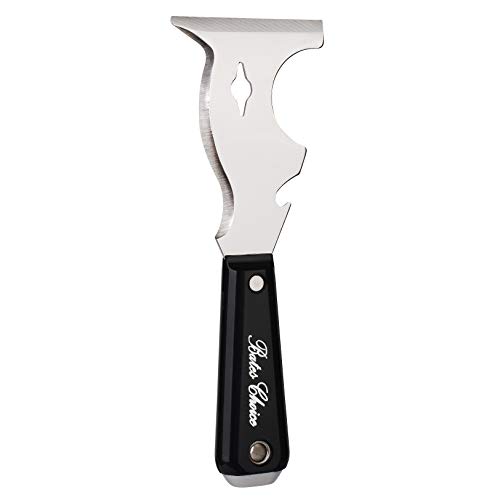
The Bates Choice 10-in-1 paint scraper is designed for versatile paint removal and prep work on wood and similar surfaces. Its rust-resistant steel blade and wood grip provide durability and comfort for extended use. This tool is best for DIY projects like removing loose paint, scrapping vinyl or wallpaper, and applying joint compound or putty. A single tool replaces several separate scrapers, which improves efficiency for quick jobs. Caution: the blade edge is sharp; handle with care to avoid nicks during heavy scraping.
DEWALT 9-in-1 Painter’s Tool

The DEWALT 9-in-1 Painter’s Tool combines a hardened high-carbon steel blade with multiple scraper and pry functions, including curved and straight scrapers, gouger, roller cleaner, and even a nail puller and bottle opener. It is best for professional finish work and tougher paint removal tasks where durability matters. The nylon handle is light and ergonomically shaped for all-day use. Caution: corrosion can occur if stored improperly or exposed to moisture; clean and dry after use.
Wagner Spraytech PaintEater Electric Palm Grip Paint Removal Sanding Kit

The Wagner PaintEater is a palm-grip orbital sander designed for efficient paint removal with less effort. It uses a 4-1/2″ disc and operates at about 2,600 RPM for controlled abrasion. This tool excels when removing coats from flat surfaces or feathering edges for a smoother final finish. Best for users who want power-assisted removal and consistent results across larger areas. Caution: avoid over-sanding on delicate surfaces or thin veneers to prevent gouging.
SHALL 8-In-1 Paint Scraper

The SHALL 8-In-1 combines multiple tools in one robust scraper, including a putty knife, hammer end, and comfort handle. It is well-suited for drywall paint removal, caulk, wallpaper, and light demolition tasks. The blade uses 3Cr13 stainless steel for corrosion resistance, and the zinc alloy hammer end adds a firm strike option. Best for users who value a single, multipurpose tool to handle layered projects. Limitation: the 5/64″ blade thickness may wear faster on very thick coatings or harden metals.
Max Strip Paint & Varnish Stripper 32oz
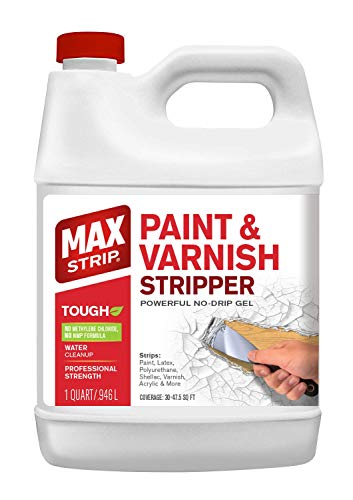
Max Strip is a chemical-free option designed to remove multiple layers of acrylic, latex, oil, and water-based paints and varnishes. It is applied to the surface and checked every 15 minutes for readiness, then scraped away. This makes it suitable for projects that require minimal harsh chemicals and safer handling around interiors. Best for DIYers who want a stain-and-varnish solution without strong solvents. Caution: effectiveness varies with surface porosity and coating thickness; follow timing guidelines for best results.
Buying Guide
What should I look for in a paint-removal tool?
Choose based on surface type, coating thickness, and project scope. Hand scrapers excel on wood, drywall, and trim, while electric options speed up large areas or stubborn coatings. Blade material, handle comfort, and blade thickness affect durability and control. For multi-surface jobs, a 10-in-1 or 9-in-1 tool can reduce tool count.
Scraper vs. power tools: when to choose which?
Use manual scrapers for precision and delicate surfaces to minimize damage. Electric options, like palm-grip sanders, are ideal for removing layers quickly on flat surfaces or when numerous coats exist. For intricate corners or wallpaper removal, a versatile scraper with multiple attachments can replace several single-purpose tools.
Safety and maintenance considerations
Always wear eye protection and gloves. Keep blades sharp to prevent slippage and ensure a clean edge. Clean tools after use to prevent rust and corrosion, especially high-carbon steel blades. Store tools dry and away from moisture to extend life.
Surface-specific tips
Wood: start with a straight scraper to avoid gouges; finish with light sanding to smooth grain. Metal: use a chemical stripper first for heavy coatings, then scrape. Drywall: prioritize putty knives and caulk scrapers to minimize texture damage. Wallpaper: a combination of scraper and scoring tools can ease removal.
Comparative quick-check
- Best for durability and heavy-duty scrapes: DEWALT 9-in-1 Painter’s Tool
- Best for multi-purpose DIY: Bates 10-in-1 and SHALL 8-In-1
- Best for power-assisted removal: Wagner PaintEater
- Best chemical-free option: Max Strip Paint & Varnish Stripper
FAQ
- What tool is best for removing paint from wood?
- Can I use a regular razor blade scraper for wallpaper removal?
- Is chemical paint stripper safer than mechanical methods?
- How do I prevent gouging the surface when scraping?
- When should I choose power sanding over hand scraping?
- What maintenance helps extend paint-removal tools?
A high-quality scraper or a multi-tool with a stiff blade is ideal, with power-assisted options for larger projects. The Bates 10-in-1 and DEWALT 9-in-1 are strong all-around choices.
Yes, but ensure you select a blade with a comfortable handle and use proper technique to avoid wall damage.
Chemical strippers reduce physical effort but may require ventilation and proper disposal. For sensitive interiors, consider safer formulations like Max Strip and follow safety guidelines.
Use light, steady strokes, keep the blade sharp, and choose the correct edge (flat or curved) for the surface. Start with a less aggressive tool and test on a small area.
Use power sanding for large flat areas and thick coatings to save time, while hand scraping provides control on corners, edges, and delicate substrates.
Clean blades after use, dry thoroughly, and store in a dry place. For carbon steel blades, apply light oil to prevent rust.