Answering the search for tinted glaze for walls, this guide highlights top options that add depth, dimension, and longevity to interior walls and furniture. These glazes are best for DIYers and professional decorators seeking easy application, subtle color shifts, and durable finishes. The top picks below cover a range of bases, from water-based clear glazes to ready-to-use antique patina finishes. Ideal buyers include faux finish hobbyists, cabinet refinishing projects, and decorative wall treatments.
Selected products overview
| Product | Best For | Finish Type | Notes |
|---|---|---|---|
| General Finishes Water Based Glaze Effects | Color depth on walls and furniture | Water-based glaze | Pitch Black option for bold depth |
| AMY HOWARD AT HOME Glazed Over | Faux finishes and antique looks | Water-based glaze medium | Versatile for wood, metal, fabrics, walls |
| qt Modern Masters DP608 Tint Base Glaze | Professional-grade textured finishes | Tintable water-based glaze | One-hour open time; preserves textures |
| Jolie Finishing Wax | Protective topcoat for interiors | Clear wax/sealant | Odor-free; non-yellowing |
| Furniture Glaze—Smoky Quartz | Chalk-style furniture accents | Glaze with patina | Eco-friendly; multiple color options |
General Finishes Water Based Glaze Effects, Pitch Black

This glaze is ideal for achieving a dramatic depth on walls, cabinetry, or decorative panels. Best for painters who want a rich, dark glaze with easy water-based cleanup. It supports layering to create shadowed edges and antique-inspired finishes. Best for projects where a bold black glaze is desired, or as a base for color washes. Users should ensure proper ventilation when applying dark glazes in small spaces.
Who this is for: DIY enthusiasts seeking a bold, even-toned glaze on furniture or walls; professionals needing a dependable base for deep, moody finishes. Limitations: Dark color can show brush marks if not applied with even pressure.
AMY HOWARD AT HOME Glazed Over

Glazed Over is a versatile finishing glaze designed to create depth and antique character on various surfaces, including wood, metal, and walls. It can be used alone for a subtle sheen or combined to produce colored effects such as gray, black, walnut, copper, or aqua glazes. Its water-based formula makes it user-friendly for projects ranging from kitchen cabinets to canvas art. The glaze accepts additional coats without becoming overly thick.
Who this is for: Home decorators aiming for classic antique looks or layered color on mixed media surfaces. Limitations: It may require testing on porous surfaces to gauge the depth of glaze before full application.
qt Modern Masters DP608 Tint Base Glaze
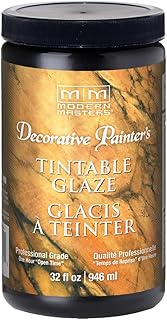
This professional-grade tintable glaze stands out for keeping surface textures visible while adding color depth. It offers a one-hour open time, making it suitable for more controlled applications on vertical surfaces. The glaze is non-yellowing and water-based, supporting durable, long-lasting finishes on walls and decorative elements. It’s particularly helpful when you need a light-to-medium tint without masking texture.
Who this is for: Pros and serious hobbyists who value texture preservation and precise color control. Limitations: Longer open times require careful working speed to prevent drag on large panels.
Jolie Finishing Wax

Jolie Finishing Wax serves as a protective topcoat for interior furniture, cabinets, and decor. It’s odor-free and non-hazardous, with non-yellowing properties that help preserve light-colored glazes. Application is straightforward—one to two coats with a soft cloth, allowing eight hours between coats. This wax enhances durability without altering the color depth significantly, making it a practical sealant after glaze work.
Who this is for: Those seeking a durable, odor-free topcoat for painted or stained surfaces. Limitations: Wax finishes may need reapplication over time in high-traffic areas or with heavy use.
Furniture Glaze—Smoky Quartz

This glaze offers an antique patina effect for chalk-style furniture and decorative pieces. It’s designed to be eco-friendly and available in several color options, including Smoky Quartz (a chocolate-brown tone). Use this glaze to create aged, artful depth on cabinets and tables, pairing well with light-washed or distressed finishes. The glaze is formulated to layer well over chalk-style paints, enabling nuanced patina development.
Who this is for: Chalk-finish enthusiasts and furniture makers seeking a warm, aged look. Limitations: Some users may prefer a lighter glaze for subtle effects; this color leans darker and more saturated.
Buying Guide: Key Considerations for Tintable Glazes
What base should you choose? Water-based glazes dry clear or tinted and are generally easier to clean up and apply on walls and cabinets. For textured surfaces, consider glazes with longer open time to prevent streaks. Color depth versus texture preservation is a trade-off; thicker glazes add depth but can obscure texture if not applied carefully.
How do I pick the right glaze for walls?
For walls, look for a glaze that levels well, provides a subtle shift in color, and is compatible with your existing paint or wallpaper. A tinted glaze base is helpful if you want controlled color adjustments without heavy layering. If you want a patina or antiqued look, choose products marketed as antique glaze or glaze with a brown or gray tinge.
Is durability a concern with glazes on walls?
Yes. Choose water-based formulas with good abrasion resistance and clear topcoats like a wax or protective sealant if the surface will see regular use. For high-traffic areas, consider a glaze that can be sealed with a durable topcoat and avoid products that are designed only for decorative effects.
What about application technique?
Apply glaze with a brush, sponge, or cloth in thin coats. Work quickly for even color and wipe away excess to reveal depth. Allow adequate drying time between coats and test on a small area before committing to larger sections to prevent oversaturation.
Are tinted bases worth it?
Tint bases let you tailor color depth to your project. They are especially useful for achieving uniform color across large wall sections or furniture panels while maintaining texture and brush marks for a handcrafted look.
What should I avoid?
Avoid thick, opaque glazes on heavily textured walls if you want to retain texture. Also avoid using incompatible topcoats that alter color or cause sheen changes not intended by the glaze product.
What is a practical workflow?
Prime if needed, apply a base coat, then glaze with your chosen product. If color depth is insufficient, apply a second light glaze coat. Finish with a compatible topcoat or wax for protection, especially on furniture or high-use surfaces.
Frequently Asked Questions
- What is the main purpose of tinted glaze on walls?
Answer: To add depth, warmth, and subtle color shifts while preserving texture and showing brush or application marks as a designed feature. - Can I use glaze over existing paint?
Answer: Yes, most water-based glazes work over dried paint, provided the surface is clean and tack-free. - Is glaze suitable for cabinets?
Answer: Yes, glazes are commonly used on cabinets to create faux aged or patina finishes and can be sealed for durability. - Do I need a topcoat over glaze?
Answer: A topcoat or wax helps protect the glaze, especially on furniture and high-use surfaces, and can influence the final sheen. - Which glaze is best for a dark, moody wall look?
Answer: A dark glaze like Pitch Black or Smoky Quartz is well-suited for moody, dramatic effects, typically paired with lighter base coats to enhance contrast. - How long does glaze take to dry?
Answer: Drying time varies by product and conditions but plan for several hours between coats and longer for thicker layers or wax topcoats.