Answering the common question, these grout sealer applicators are designed to help you apply sealant precisely where it’s needed. They’re best for DIY homeowners sealing small or awkward joints, contractors working on tile backsplashes, shower surrounds, and floors, and users who want cleaner, more even coverage. The top picks below cover bottles, wands, ergonomic handles, and microfiber pads to fit different joint widths, tile types, and sealing preferences. A quick summary table highlights each option’s ideal use case to help you decide faster.
| Product | Brand | Best For |
|---|---|---|
| QEP Grout Sealer Applicator – 4 oz. Brush Bottle | QEP | Small surface areas and wall installations |
| Miracle Sealants Sealer Applicator & Tray | Miracle Sealants | Controlled flow and easy disposal |
| Grout Wand Stick Press-N-Go | Diversified Distribution Service | Steady flow with spill avoidance |
| Miracle Sealants GRT SLR, 6 oz | Miracle Sealants | Interior and exterior use with included applicator |
| Professional Microfiber Sealer Applicator Pad – CALPALMY | CALPALMY | Stone, ceramic, and natural surfaces with tight access |
QEP Grout Sealer Applicator – 4 oz. Brush Bottle

The QEP Grout Sealer Applicator is a compact bottle-style tool designed to apply sealer precisely to grout joints 1/8″ or wider. The 4 oz. bottle is convenient for smaller projects and tight wall installations where a larger applicator would be cumbersome. Best for homeowners sealing bathroom and kitchen tile where joints are accessible but not extensive. Caution: the small bottle can require frequent refilling on larger areas, potentially slowing progress.
Key features include its targeted nozzle design and a simple, direct application method. It’s best for narrow grout lines in vertical surfaces or countertop backsplashes where control matters. The bottle’s size limits overall sealer capacity, so plan refills for larger rooms.
Who it’s best for: DIYers with limited project scope, apartment bathrooms, and wall installations where precise application is preferred.
Miracle Sealants Sealer Applicator & Tray

The Miracle Sealants Sealer Applicator & Tray offers an easy, controlled way to apply sealers, with a tray that helps regulate the amount dispensed. It’s disposable, simplifying cleanup after sealing projects. This option is well-suited for those seeking a straightforward, low-mess method, and it’s ideal for smaller to medium areas where consistent coverage is key. Limitation: not ideal for very large areas due to the disposable nature of the tray.
Who it’s best for: Homeowners performing small-to-medium sealing jobs, or users who prefer a fast setup and cleanup with predictable results.
Grout Wand Stick Press-N-Go Tile Grout Sealer
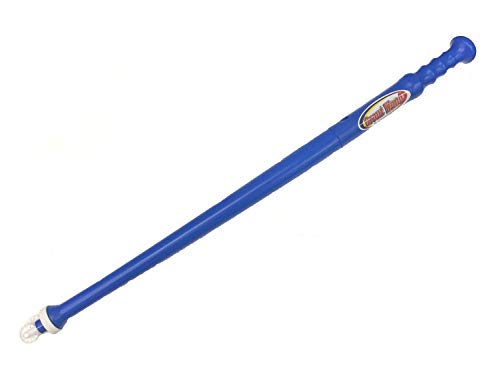
The Grout Wand Stick features a press-and-dispense design that allows you to control flow by pressing the wand. Its patented dispenser helps minimize over-spill, a common concern with liquid sealers. It’s a strong pick for projects with many joints or uneven surfaces where precise, steady dispensing matters. Limitation: some users may find the wand handling less comfortable for long sessions.
Who it’s best for: DIY and professional users sealing multiple joints, especially where spill prevention is a priority.
Miracle Sealants GRT SLR, Grout Sealer

The GRT SLR line from Miracle Sealants includes an applicator bottle with a dedicated applicator tip, designed for concrete, grout, and tile surfaces. It’s versatile for interior and exterior use, making it a flexible option for mixed projects such as patios or bathroom walls. Caution: only rely on this if you need exterior compatibility in addition to interior use.
Who it’s best for: Projects requiring a dual-use sealer that performs well indoors and outdoors, or for users who want a ready-to-use bottle with an integrated applicator.
CALPALMY Professional Microfiber Sealer Applicator Pad
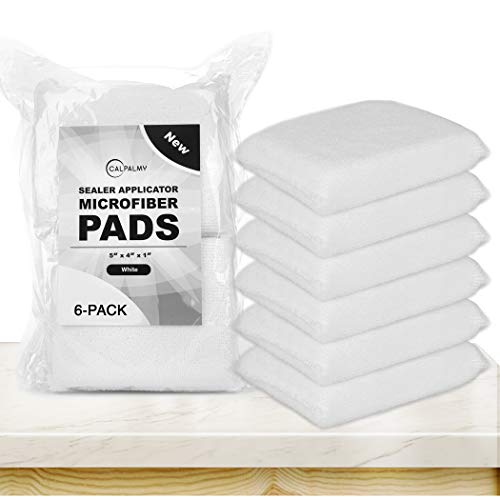
The CALPALMY microfiber sealer applicator pad is designed for natural stone, ceramic, and concrete with good access to tight spots. It leverages 100% lint-free microfiber and a sponge foam insert to help sealers into curves and irregular joints. It’s a strong choice for stone and glazed tile where even coverage is critical. Limitation: may require combining with a separate sealer container for larger jobs.
Who it’s best for: Users sealing granite, marble, terrazzo, or other stone tiles, plus glazed ceramic, where a flexible pad provides better edge control and reach.
Buying Guide: Key Purchase Considerations
- Project size and joint width: For small jobs or tight joints, bottle-style or wand dispensers offer precise control. Larger areas may benefit from trays or microfiber pads that cover more area per pass.
- Material compatibility: Consider whether you need interior-only use or exterior performance, and ensure the sealer type matches stone, ceramic, or concrete surfaces.
- Control and spill risk: Tools with controlled flow reduce waste and mess on vertical surfaces or complex layouts.
- Cleanup and disposal: Disposable trays and pads simplify cleanup, while reusable wands and pads save time on repeated projects.
- Ease of use: Ergonomic handles and comfortable grip help during longer sealing sessions. Some tools are better for curves and tight corners than others.
Frequently Asked Questions
- What kind of grout joints can these applicators handle? Most are suitable for joints 1/8″ wide or wider, with some designed for tighter or wider joints depending on the tool.
- Are these tools suitable for porcelain and natural stone? Yes, many are designed for use on tile, stone, and concrete surfaces, but verify compatibility with your specific sealer.
- Can I reuse the applicator tools? Some items are disposable (tray systems), while others can be cleaned and reused if the manufacturer permits.
- Do these tools work with water-based and solvent-based sealers? Many tools are compatible with both, but check the product features for your sealer type.
- Is an applicator pad better than a spray bottle? Applicator pads offer direct, controlled contact with the surface, which helps prevent over-application on delicate joints.
- Should I seal before grouting or after? Follow your sealer’s instructions; typically, seal after grout cures unless the product specifies otherwise.